

Autumn sowing works thanks to simple logic: the soil is still warm after the summer, the seeds germinate quickly, and cool nights reduce the risk of shoots and bitterness in leafy vegetables. But there is an important nuance: the day is quickly getting shorter, plant growth slows down, and the first frosts in different regions of Ukraine can come at different times. Therefore, for September planting, you need not just any vegetables, but fast, resistant and correctly selected crops.
Points of attention
- Three things are important for a fall garden: a short growing season, stable moisture, and protection from nighttime cold.
- Fall sowings are often done in place of plants that have already yielded a harvest.
- For September, you can sow salad arugula or wild arugula. Salad arugula grows faster but has a shorter harvest period.
September doesn't necessarily mean the end of the gardening season. After harvesting cucumbers, zucchini, early potatoes, beans, or summer greens, there are often empty spaces left in the beds. They can be used for quick cold-resistant crops: spinach, arugula, leaf lettuce, green onions, radishes, mizuna, dill, or parsley for greens.
It is best to sow in September what has time to give young leaves in 3–6 weeks or overwinters well under shelter. Three things are important for an autumn garden: a short growing season, stable moisture, and protection from nighttime cold. If you prepare the bed in advance, sow in small batches, and have agrofibre on hand, you can cut fresh greens before persistent frosts, and leave part of the crops for an early spring start.
What search intent does this topic have?
The intent is mixed: informational and instructional. A person wants to understand what can be planted in September, which vegetables will have time to grow before the cold weather, how to prepare a bed, whether agrofibre is needed, which crops are better not to sow late, and how to extend the harvest until the first frost.
Therefore, the answer should be practical: not just a list of crops, but an explanation of the timing, conditions, sowing method, care, typical mistakes and realistic expectations. September is no longer the time for heat-loving crops with a long cycle. Instead, it is a good period for greens, leafy vegetables, spring onions and fast-growing root crops.
What to consider before September sowing
Before buying seeds, you need to evaluate not the calendar, but the conditions in a specific area. September in Kharkiv, Kyiv, Lviv, Odessa and Transcarpathia differs in temperature, amount of precipitation and risk of early frosts. In the northern, central and mountainous regions, the time is less. In the south and in mild microclimates, the autumn garden can work longer.
Check four things:
when the first frosts usually occur in your region;
how many days until harvest is indicated on the seed package;
is it possible to cover the bed with agrofibre;
Will plants get enough sun after the shortening of daylight hours?
If a crop takes 70–90 days to fully mature, it is risky for September. If the young leaves can be cut after 25–45 days, the chances are much better. That is why spinach, arugula, salad mixes, radishes, mustard greens, mizuna, watercress, and green onions work best in the fall.
How to prepare a garden bed after summer crops
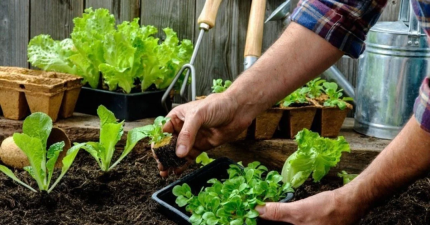
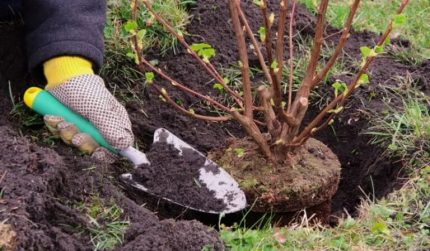
Autumn sowings are often done on the site of plants that have already yielded a crop. But it is not worth sowing into compacted, dry or weedy soil. Young seedlings have little time in autumn, so starting conditions are very important.
Preparation is simple:
Remove old plant remains.
Remove weeds with roots.
Loosen the top 10–15 cm of soil.
Add mature compost if the soil is depleted.
Level the surface.
Water the bed well the day before sowing.
Make shallow grooves.
Sow the seeds and compact the soil with your hand or a board.
Mulch with a thin layer of dry soil, compost, or sifted substrate.
Put up arches or prepare agrofibre in case of cold weather.
Do not generously apply nitrogen fertilizers to autumn greens. With short days and poor lighting, leafy crops can accumulate excess nitrates, especially if over-fertilized. It is better to use a moderate amount of compost and focus on the fertility of the bed, rather than “overdoing” the greens with fertilizers.
Spinach: the most reliable green for cool autumn
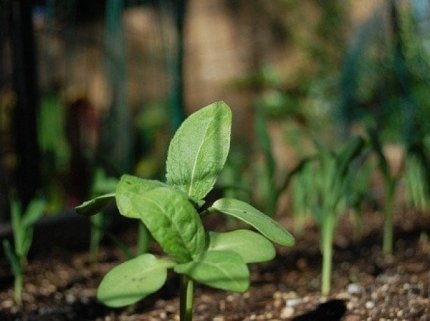
Spinach is well suited for September sowing because it does not like heat and forms tender leaves better in cool weather. It quickly shoots up in the summer, but grows more slowly in the fall. If you sow it at the beginning or first half of September, you can get the first young leaves before the steady cold snap.
For autumn, it is better to choose varieties that are labeled as cold-resistant or suitable for autumn sowing. If sowing is late, you can grow spinach as microgreens or baby leaves - young leaves for salads and side dishes.
Practical scheme:
sowing depth - about 1–2 cm;
the distance between rows is 15–20 cm;
after germination, the plants are thinned out;
the soil is kept evenly moist;
Cut off the outer leaves without damaging the center of the rosette.
Spinach responds well to light shelter. Agrofibre helps to retain heat, protect young shoots from wind, birds and some pests. If the autumn is mild, spinach can produce leaves for a long time. If the cold comes quickly, some plants can overwinter and resume growth in the spring.
Arugula: a quick harvest with a savory flavor
Arugula is one of the best options for those who want quick results. It grows fairly quickly, tolerates cool weather well, and produces leaves for salads, sandwiches, pizza, pasta, and side dishes. In hot weather, arugula often becomes coarser, spicier, and blooms more quickly, while in the fall its flavor is usually milder and more pleasant.
For September, you can sow salad rocket or wild rocket. Salad rocket grows faster but has a shorter harvest period. Wild rocket is slower to start, but produces leaves longer and is better suited for a longer fall harvest.
How to sow:
make shallow grooves 0.5–1 cm;
do not sow too thickly;
leave 10–15 cm between rows;
after germination, thin out thickened areas;
water regularly to prevent the leaves from becoming coarse;
Cut the young leaves with scissors.
It is convenient to sow arugula in waves: one small bed in early September, a second one 7–10 days later, and a third one under agrofibre. This way, the harvest does not come all at once, and the greens can be harvested gradually.
Leaf lettuce and winter salad mixes
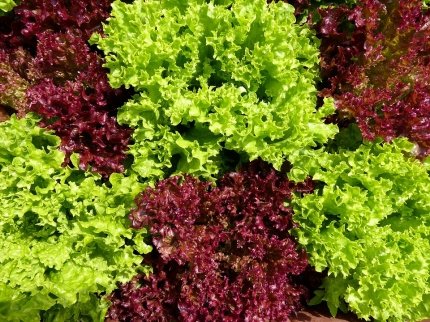
For September, it is better to choose leafy varieties and salad mixes rather than head lettuce. Head lettuce takes longer, while leaf lettuce can be cut young. The “cut it and it grows back” format is best suited for a short autumn.
They work well:
leaf lettuce;
oak varieties;
lolo ross;
salad mixes;
corn salad;
mizuna;
tatsoi;
mustard leaf;
pak choi on young leaves.
Lettuce needs consistent moisture. If the soil dries out, the leaves can become tough or bitter. But overwatering is also undesirable: in cold weather, it provokes rot, slimy leaves and problems with slugs.
In the fall, it is better to sow lettuce in a sunny bed, as the days get shorter. In August and early September, light shading can still help with the heat, but in October, the plants need maximum available light.
How to harvest lettuce so it grows back
Don't pull out the entire plant with the roots if you want to continue harvesting. It's better to cut off the outer leaves or the top, leaving a small growing point. This will give the lettuce another flush of green if the weather is mild enough.
Harvest leaves in dry weather or after the dew has evaporated. Wet greens store worse and spoil faster in the refrigerator.
Green onions: a compact crop for empty spaces
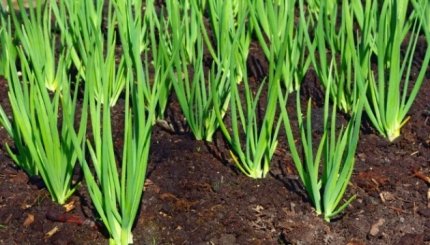
Green onions are a good choice for September because they take up little space and can be grown between other crops. They can be sown from seed, planted as seedlings, or using small onions for a feather. Planting seedlings or small bulbs gives the fastest results.
For autumn greenery, the following are suitable:
onion on a feather;
salad onion;
baton;
chives;
perennial onions;
small seed for a quick pen.
If you need greens this fall, don't wait for a large bulb. The goal of September planting is to get a feather or a well-rooted plant that will start in the spring. The bulb is planted in loose, drained soil, without stagnant water. Excessive moisture in the fall can cause rot.
The scheme is simple: small onions are planted more densely than for turnips, because they are grown for greens. The top may protrude slightly above the soil. After planting, the bed is watered, and when the night cools down, it is covered with agrofibre.
Radishes: the fastest bonus to the autumn garden
Radishes aren't one of the obvious staple crops, but they're a very practical choice for September. Many varieties can be harvested in 25-40 days, and the cool weather helps to avoid summer bitterness and early sprouting. Radishes are good for planting in beds after cucumbers, lettuce, early potatoes, or beans.
For fall, choose early varieties that are resistant to arrowroot. Sow less frequently than in spring, or be sure to thin out the seedlings. Overcrowded radishes form small, crooked, or woody roots.
Radishes need consistent moisture. Overwatering will result in a coarse texture, and overwatering after a dry spell can cause cracking. If nights are cold, covering will help maintain growth.
Dill, parsley, cilantro and watercress
September is also a good time for aromatic herbs. Dill germinates quickly in moist soil, parsley grows more slowly but can overwinter, cilantro does best in cool weather, and watercress gives some of the quickest results.
Dill should be sown thickly if you want greens, not umbrellas. Parsley is best sown earlier or soaked before sowing, as it germinates slowly. Cilantro often does better in the fall than in the heat, as it is less in a hurry to bloom. Watercress can even be grown in a container on a balcony or windowsill.
These crops are appropriate if the main goal is fresh greens for the table, not a large supply for the winter.
Agrofiber, mini-greenhouse and frost protection
Without shelter, September sowing depends on the weather. With shelter, the gardener has a margin of time. Light white agrofibre allows air, water and some light to pass through, but reduces night cooling. It is especially useful for lettuce, arugula, spinach, radishes and young onions.
The most convenient option is low arches and agrofibre, secured at the edges with bricks, boards, pins or earth. This way the material does not break the delicate leaves and does not fly off in the wind. If the frost is short, shelter often saves the greenery. If persistent frosts come, the growth rate will still stop, but the plants can stay alive longer.
The film also retains heat, but has risks: condensation accumulates under it, on a sunny day the plants can overheat, and without ventilation the risk of fungal diseases increases. Therefore, for everyday autumn use, agrofibre is often more practical.
Watering in the fall: less, but more regularly
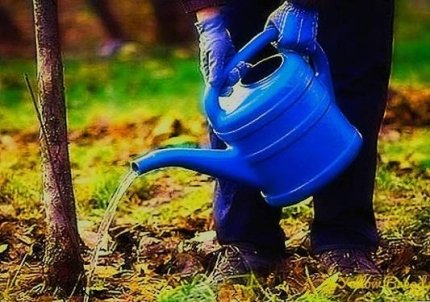
In the fall, the soil dries out more slowly, but that doesn't mean you can leave your crops without water. Seeds need moisture to germinate, and young roots quickly suffer from drying out of the topsoil. This is especially true in light sandy soils, in containers, and on raised beds.
Water so that the soil is moist but not soggy. It is best to do this in the morning or afternoon so that the leaves have time to dry before nightfall. Evening watering in cool weather can increase problems with slugs, leaf spot, and rot.
If the crops are covered with agrofibre, periodically open the bed for inspection. Under cover, weeds also grow faster, and pests can remain unnoticed for longer.
What not to plant in September for a quick harvest
September is not suitable for heat-loving crops with a long cycle. Tomatoes, peppers, eggplants, corn, pumpkins, watermelons, melons, beans for grain and cucumbers in open ground will no longer have enough heat and time. Even if the seeds germinate, the plant will not have time to form a normal crop.
Cabbage, broccoli, cauliflower and Brussels sprouts also need to be treated with caution. These are cold-hardy crops, but they need a longer period for full heads. In September, they can only be planted as well-prepared seedlings for a specific scheme or mild climate, but not as a quick sowing "from scratch".
For late sowing, it is better to choose leaves, feathers, baby leaves, microgreens, and fast root crops.
Typical mistakes of gardeners in September
The first mistake is to sow too late. In September, every week counts. What will be ready at the beginning of the month may not be ready after September 25 without shelter.
The second mistake is to choose varieties with a long ripening period. For autumn, you need early, cold-resistant or specially marked autumn or winter varieties.
The third mistake is to sow too thickly. Thickened crops grow more slowly, are less aerated, and are more likely to get sick. For baby leaf, a thicker sowing is allowed, but even then you should avoid a solid “rug.”
The fourth mistake is to over-fertilize with nitrogen. Autumn greens do not need aggressive fertilizing. Fertile soil, compost, and moderate watering are better.
The fifth mistake is not preparing shelter. Agrofibre should be in place before the first frost forecast, not looking for it in the evening when the temperature is already dropping.
The sixth mistake is to leave the bed without watering after sowing. Autumn rains help, but the seeds need stable moisture in the first days.
The seventh mistake is to expect summer volumes from September sowing. The autumn garden provides freshness, an extension of the season and greens for the table, but not always a large commercial harvest.
Practical sowing plan for September
If the garden bed is free in early September, you can do a combined sowing. Plant green onions along the edges, spinach in the center, and radishes or arugula between the rows. Part of the area should be left for a salad mixture, which can be cut young.
Example of a diagram:
first row - green onions on a feather;
second row - spinach;
third row - arugula;
fourth row - radish;
The fifth row is leaf lettuce or mizuna.
After 7–10 days, you can sow another wave of arugula or watercress. This way, you won’t get the entire crop at once, but will continue to harvest. If night frosts are forecast, the bed is covered with agrofibre on arcs.
For a balcony or small area, the scheme is even simpler: one container with spinach, one with arugula, one with salad mix, a few bulbs in a pen box. In containers, it is easier to control the soil and move the plants closer to the light or under shelter.
How to harvest autumn greens
It is better to harvest the autumn harvest often and in small amounts. Young leaves are more tender, grow faster, and are better for salads. Older leaves can become rough or damaged in cold, wet weather.
General rules:
collect in dry weather;
cut with clean scissors or a knife;
do not damage the growth center;
do not leave rotten leaves in the garden;
after harvesting, do not wash the greens in advance if you plan to store them for several days;
Keep the leaves in the refrigerator in a container or bag with a paper towel.
If a severe frost is expected, it is better to harvest suitable greens in advance. Some spinach, arugula, or lettuce can be left under cover as an experiment, but the main crop should be harvested before a serious cold snap.
Conclusion
In September, it is best to plant fast-growing and cold-resistant crops in the garden: spinach, arugula, leaf lettuce, green onions, radishes, mizuna, watercress, dill, cilantro, and some perennial herbs. They have time to produce young leaves before frost or get off to a good start in the spring after wintering.
The key to success is not just choosing a crop, but proper preparation. You need to take into account the first frosts in your region, choose early varieties, sow in loose, moist soil, do not overdo it with fertilizers, and prepare agrofibre. The autumn garden does not replace the summer season, but it makes it possible to continue collecting fresh greens, use empty beds, and get a useful harvest when most gardeners are already cleaning up their inventory.
FAQ
What can you plant in the garden in September?
In September, you can sow spinach, arugula, lettuce, radishes, watercress, mizuna, mustard greens, dill, cilantro, and green onions on a feather. It is best to choose fast, cold-resistant crops with a short harvest period.
Will the spinach have time to grow before frost?
If you sow spinach in early or early September, it often has time to produce young leaves before the cold snap. In colder regions, it is better to cover the bed with agrofibre and grow spinach on baby leaf.
Can I sow arugula in September?
Yes, arugula is well suited for autumn sowing. It grows quickly, likes cool weather, and suffers less from the summer heat. For a longer harvest, it can be sown in several waves with an interval of 7–10 days.
What kind of lettuce is best to plant in the fall?
For September, it is better to choose leaf lettuce, salad mixes, corn salad, mizuna, tatsoi, or other crops for cutting young leaves. Headed varieties may not have time to form a full head before the cold weather.
Is agrofibre needed for autumn crops?
It is advisable to have it on hand. Agrofibre helps to retain heat, protects young seedlings from wind, some pests and short night frosts. It is most convenient to use it on low arches.
What to plant in September after potatoes?
After early potatoes, you can sow spinach, arugula, lettuce, radishes, dill, watercress, or green onions. Before sowing, the bed should be loosened, weeds removed, and well moistened.
Can I plant onions in September?
Yes, in September you can plant small onions for greens or sow salad onions for overwintering. If you need a quick result in the fall, it is better to use seedlings or small onions, rather than waiting for a large turnip.
What vegetables should not be sown in September?
You should not sow heat-loving crops with a long cycle: cucumbers, tomatoes, peppers, eggplants, corn, pumpkins, watermelons, melons, and beans for grain. They will no longer have enough heat, light, and time for a normal harvest.
How to extend the harvest of greens until frost?
Sow in small batches, choose early varieties, keep the soil evenly moist, cut the leaves young, and use agrofibre during cold spells. This way you can extend the harvest for several weeks.
Can I grow fall greens in containers?
Yes. Spinach, arugula, watercress, lettuce, and green onions grow well in boxes or pots. The containers can be conveniently moved to a sheltered location, covered from the cold, and placed closer to the light.

