
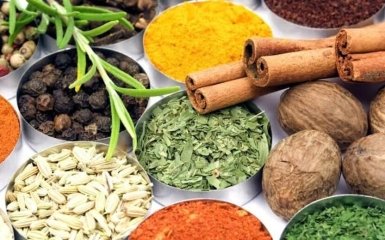
Cinnamon in your morning coffee, ginger in your tea, turmeric in your vegetable stew or a pinch of hot pepper on your meat. Spices add flavor to food, help to diversify your usual dishes and are an integral part of your daily diet in many cuisines around the world. However, natural origin does not mean that any seasoning is safe for everyone.
Points of attention
- Chili peppers contain capsaicin, a substance that activates receptors associated with the perception of heat and burning.
- It is important not to automatically apply cautions about medicinal products to every pinch of turmeric in your food.
- If you have heartburn or other digestive symptoms, it is worth evaluating your individual reaction to spicy food.
Some spices can aggravate heartburn, irritate the digestive system, cause allergic reactions, or interact with medications. People with liver, kidney, or cardiovascular disease, and those who take regular medications, need to be especially careful.
At the same time, it is important to distinguish between the usual amount of spices in food and concentrated extracts sold as dietary supplements. A small amount of turmeric in soup and a capsule with a high concentration of curcumin are not the same in terms of potential effects and risks.
Let's consider six popular spices that have certain contraindications, explain who should limit their consumption, and why claims about the unconditional benefits of natural seasonings do not always correspond to scientific data.
Can common spices be harmful?
Most culinary spices are usually well tolerated by healthy people when used in normal dietary amounts.
However, each spice contains certain chemical compounds. It is they who provide the characteristic taste, aroma and some of the biological activity.
For example, the spiciness of chili peppers is due to capsaicin, the characteristic taste of ginger is due to gingerols, and cinnamon contains a variety of aromatic substances, including cinnamic aldehyde.
In some cases, these components may cause adverse reactions.
The risk depends on several factors:
Quantities: A small portion of the seasoning and regular consumption of a concentrated extract can have different effects.
Health status. Diseases of the digestive system, liver, or kidneys can change the tolerance of certain substances.
Medications. Some herbal ingredients have the potential to affect the absorption and metabolism of medications.
Individual sensitivity. One person tolerates spicy food well, while for another, a small amount of pepper causes heartburn.
Product forms: Dried spice, essential oil, and standardized supplement are not interchangeable.
It is important not to conclude that all spices should be eliminated from the diet. For most people, moderate use and consideration of individual contraindications are sufficient.
1. Chili Peppers: For Some, Spicy Food May Make You Unwell
Chili peppers contain capsaicin, a substance that activates receptors associated with the perception of heat and burning.
That is why after a spicy meal there is a feeling of heat in the mouth, even though the temperature of the food may be normal.
For many healthy people, moderate consumption of hot peppers does not cause problems.
However, in certain digestive system diseases, chili may aggravate symptoms.
Chili Peppers and Gastroesophageal Reflux Disease
Gastroesophageal reflux disease, or GERD, occurs when stomach contents regularly flow back into the esophagus and cause unpleasant symptoms or complications.
Typical symptoms include heartburn, a sour taste in the mouth, and discomfort behind the sternum.
The US National Institute of Diabetes and Digestive and Kidney Diseases (NIDDK) lists spicy foods as a possible dietary factor that can worsen reflux symptoms in some people.
However, this does not mean that chili peppers necessarily cause heartburn in every patient.
If you regularly experience heartburn after eating spicy foods, it is a good idea to cut back on the amount you eat and discuss your symptoms with your doctor. It is not necessary to automatically ban all spicy foods for people with GERD.
Can I eat chili with irritable bowel syndrome?
Irritable bowel syndrome (IBS) may be accompanied by abdominal pain, bloating, diarrhea, or constipation.
In some people, capsaicin increases intestinal sensitivity and causes discomfort.
This may be especially true for patients with IBS who have diarrhea-predominant symptoms.
At the same time, individual tolerance to spicy foods varies significantly.
If symptoms recur after a certain seasoning, it is helpful to keep a food diary to discuss patterns with a gastroenterologist.
Does hot pepper really cause stomach ulcers?
This is a common myth.
The main causes of peptic ulcers are Helicobacter pylori infection and the use of nonsteroidal anti-inflammatory drugs, including ibuprofen and aspirin.
Spicy food itself is not considered a primary cause of ulcers.
However, with an existing condition, it may worsen pain or other symptoms in sensitive people.
Therefore, treating an ulcer by simply avoiding pepper is wrong.
2. Licorice root: a particular danger for people with high blood pressure
Licorice root ( Glycyrrhiza glabra ) is used to flavor beverages, confectionery, and herbal mixtures.
It has a distinct sweet taste due to its glycyrrhizin content.
It is this substance that can cause serious undesirable effects if consumed excessively or for a long time.
Glycyrrhizin affects enzyme mechanisms involved in cortisol metabolism and may cause effects similar to excess mineralocorticoid hormones.
As a result, the body can retain sodium and water and lose potassium.
Who can licorice root be dangerous for?
People with:
arterial hypertension;
heart failure and other heart diseases;
kidney dysfunction;
low potassium levels in the blood;
diseases accompanied by a violation of water-salt balance.
According to the NCCIH, excessive intake of glycyrrhizin can lead to high blood pressure, heart rhythm disturbances, and in severe cases, dangerous heart complications.
For people with hypertension or heart disease, risks may arise even with relatively small but regular intake of glycyrrhizin.
Why it is important to check the composition of herbal teas
Licorice root can be included in herbal teas, throat mixtures, and drinks that are advertised as natural.
A person sometimes does not even suspect that he regularly consumes this plant.
Interactions with diuretics, corticosteroids, and other drugs that affect blood pressure or potassium levels require special attention.
During pregnancy, regular use of concentrated licorice products is also undesirable due to potential risks to the mother and baby.
However, there are deglycyrrhizinated licorice products, from which most of the glycyrrhizin has been removed. Their properties differ from the regular root.
3. Turmeric: Why Large Amounts Can Be a Risk to the Liver
Turmeric ( Curcuma longa ) is a popular spice with a distinctive yellow-orange color.
It is used in curries, rice dishes, sauces, and soups.
The main group of compounds often studied in turmeric are curcuminoids, specifically curcumin.
Despite numerous laboratory studies, there is not enough evidence to consider turmeric or curcumin as universal remedies for inflammation, liver disease, or other pathologies.
Can turmeric damage the liver?
Regular amounts of turmeric in food are not associated with the same risks as concentrated supplements.
However, in recent years, health regulators have reported rare cases of liver damage after taking turmeric and curcumin preparations.
Of particular concern are products with increased bioavailability — that is, specially designed for better absorption of active ingredients.
The Australian Medicines Agency (TGA) warned in 2023 about a rare but potentially serious risk of liver damage from such drugs.
Possible symptoms include:
unusual weakness;
nausea and loss of appetite;
dark urine;
yellowing of the skin or whites of the eyes;
pain or discomfort in the upper abdomen.
If such signs appear while taking turmeric supplements, you should stop using them and seek immediate medical attention.
Turmeric for gallstones
The European Medicines Agency (EMA) notes that turmeric herbal medicinal products are not recommended for people with bile duct obstruction, cholangitis, cholelithiasis, and other diseases of the biliary system.
This is due to a possible effect on bile secretion.
It is important not to automatically apply cautions about medicinal products to every pinch of turmeric in your food.
However, people with gallstone disease should not take concentrated curcumin supplements on their own.
Why Curcumin with Black Pepper Requires Caution
Some curcumin supplements contain piperine, a component of black pepper that may increase the absorption of certain substances.
This combination is sometimes advertised as particularly effective.
However, increasing bioavailability may increase not only the expected effect, but also the risk of adverse reactions and interactions.
Therefore, concentrated curcumin and piperine complexes should not be used without consulting a doctor, especially if you have chronic diseases or are taking medications regularly.
4. Cinnamon: Who Should Limit the Popular Aromatic Spice?
Cinnamon is one of the most common spices in baking, cereals, desserts, and hot drinks.
However, products from various species of trees of the genus Cinnamomum are sold under the general name "cinnamon."
The most famous are Ceylon cinnamon and cassia.
Their taste and chemical composition are different.
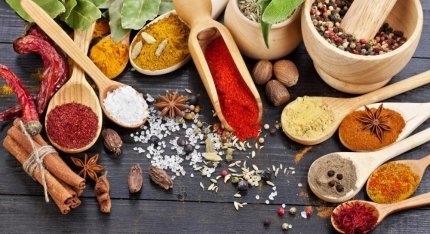
How is cassia different from Ceylon cinnamon?
Cassia usually contains significantly more coumarin, a natural aromatic substance that can negatively affect the liver in large quantities.
Ceylon cinnamon generally contains much less coumarin.
The German Federal Institute for Risk Assessment (BfR) sets a guideline for the permissible daily intake of coumarin at 0.1 mg per kilogram of body weight.
For example, for a person weighing 60 kg, this is approximately 6 mg of coumarin per day.
According to the institute's estimates, this amount can be contained in approximately two grams of cassia with an average coumarin content.
However, the concentration of the substance in spices varies significantly, so these figures should not be used for accurate dosage on your own.
Who can cinnamon harm?
People with liver disease and those who plan to consume large amounts of cinnamon regularly need to be especially careful.
For example, a pinch of cinnamon in an apple pie is significantly different from taking a few teaspoons of dry powder daily as a "remedy."
If you often use large amounts of cinnamon in cooking, the Ceylon variety may be more appropriate due to its lower coumarin content.
Does cinnamon help lower blood sugar?
Cinnamon is often touted as a natural remedy for glucose control.
However, clinical trial results are conflicting, and the available evidence is insufficient to recommend it as a replacement for diabetes treatment.
People taking blood sugar-lowering medications should not add concentrated cinnamon supplements to their diet in the hope of enhancing their effects.
Such decisions should be discussed with a doctor.
5. Ginger: When a Popular Nausea Remedy Can Make You Worse
Ginger ( Zingiber officinale ) is used in cooking, beverages, and as a component of certain herbal preparations.
Its characteristic pungent taste is provided by gingerols and other compounds.
Contrary to many popular claims about the spice, certain effects of ginger have actually been studied in clinical trials.
For example, there is evidence of a possible reduction in nausea and vomiting during pregnancy.
However, this does not mean that ginger can be used uncontrollably in large doses.
When ginger makes heartburn worse
The NCCIH notes that ginger preparations may cause:
heartburn;
abdominal discomfort;
diarrhea;
irritation of the mouth and throat.
Such reactions are not mandatory and depend on the amount and individual tolerance.
If you regularly experience heartburn after taking concentrated ginger tea or supplements, you should discontinue use and evaluate the cause of your symptoms.
Ginger and blood thinners
There are warnings about possible interactions of high doses of ginger with anticoagulants.
However, clinical evidence regarding a significant increase in bleeding risk remains equivocal.
This does not mean that all people taking the appropriate medications need to permanently abandon the usual amount of ginger in their food.
However, concentrated supplements and therapeutic doses must be discussed with your doctor in advance.
Can pregnant women eat ginger?
Some studies support the possible benefits of ginger for nausea during pregnancy.
However, the choice of remedy, its form and dosage should take into account the individual condition.
You should not start taking high-dose supplements on your own.
People with gallstone disease need to be especially careful. Due to the potential effect of ginger on bile secretion, it is advisable to discuss the use of concentrated preparations with a doctor.
6. Black pepper: can it really affect the effects of medications?
Black pepper ( Piper nigrum ) is one of the most common spices in everyday food.
Its characteristic pungency is mainly due to piperine.
Piperine is being studied for its ability to affect the absorption and metabolism of other substances.
That is why it is sometimes added to dietary supplements to increase the bioavailability of individual components.
What is known about the interaction of piperine with drugs?
Laboratory studies show that piperine may affect the CYP3A4 enzyme and the transport protein P-glycoprotein.
These systems are involved in the metabolism and transport of many medicinal substances.
However, laboratory results do not mean that a simple pinch of pepper automatically changes the effects of all medications.
More caution is warranted with concentrated piperine supplements, especially if a person is taking medications with a narrow therapeutic range, for which small changes in concentration may have clinical significance.
Is black pepper bad for the stomach?
In large quantities, black pepper can cause irritation and discomfort in sensitive people.
However, there is no reason to claim that a small amount of ground pepper necessarily damages the stomach lining or causes ulcers.
If you have heartburn or other digestive symptoms, it is worth evaluating your individual reaction to spicy food.
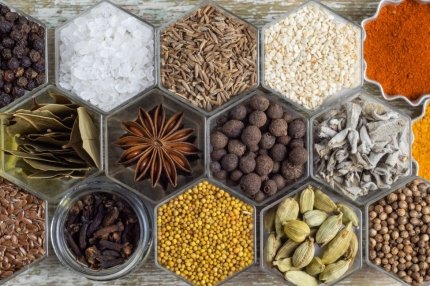
Which spices can be dangerous: a short table
For practical use, it is important to distinguish between confirmed risks and situations where caution is required, especially with concentrated preparations.
| Spice | Potential risk | Who needs special care? |
| Chili pepper | Increased heartburn and intestinal discomfort | For people with GERD or sensitive intestines |
| Licorice root | Increased blood pressure, decreased potassium, arrhythmia | People with hypertension, heart and kidney diseases |
| Turmeric | Possible problems with bile secretion; rare liver damage from supplements | People with biliary tract and liver diseases |
| Cassia cinnamon | Intake of coumarin in large quantities | People with liver disease |
| Ginger | Heartburn, diarrhea, potential supplement interactions | People with sensitive digestion or on certain medications |
| Black pepper | Potential interactions of concentrated piperine | People taking medications with a risk of interactions |
The table does not mean that all of the listed spices are completely contraindicated for the relevant groups of people.
In many cases, the warnings relate to high doses, long-term use, or specific supplements.
Who needs to be especially careful with spices?
In addition to specific diseases, there are situations where even ordinary plant products need extra attention.
For people with food allergies
Spices can cause allergic reactions.
In particular, allergies are possible to mustard, celery, coriander, cumin, and other plant components of seasonings.
Reactions may include rash, itching, swelling of the lips or mucous membranes, gastrointestinal symptoms, or respiratory distress.
In rare cases, anaphylaxis is possible - a severe allergic reaction that requires emergency care.
It is also important to distinguish between allergies and normal burning from capsaicin.
If your mouth burns after eating hot peppers, it doesn't necessarily mean you have an allergic reaction.
But swollen tongue, difficulty breathing, or generalized hives after eating require immediate evaluation.
People who take medication regularly
Herbal supplements may affect the effects of anticoagulants, certain heart medications, and other medications.
It should be remembered that the potential interaction depends on the dose and the specific substance.
A regular amount of spice in soup does not necessarily have the same effect as a capsule with a concentrated extract.
If you take medication regularly, it is important to inform your doctor not only about prescription drugs, but also about dietary supplements and herbal complexes.
Pregnant and breastfeeding women
Normal culinary amounts of many spices usually do not require automatic exclusion from the diet during pregnancy.
However, concentrated extracts can contain much higher amounts of biologically active substances.
The safety of many of these drugs during pregnancy and breastfeeding has not been well studied.
Licorice, curcumin, and multi-ingredient herbal supplements require special caution.
For children
Children should not be given concentrated herbal preparations or use spices as home remedies without the recommendation of a pediatrician.
At the same time, small amounts of age-appropriate seasonings in regular food do not necessarily pose a risk.
For young children, it is important to avoid excessively hot dishes and consider the risk of allergies.
A separate warning applies to dry powders: they should not be intentionally inhaled or consumed in large quantities without food or liquid due to the risk of irritation and particles entering the respiratory tract.
What is the difference between spices in food and dietary supplements?
This is one of the most important differences that is often ignored in “natural treatment” recommendations.
Let's say a person adds half a teaspoon of turmeric to a dish for several servings.
Another person takes capsules with standardized curcumin extract and piperine daily.
In these situations, the body may receive different amounts of active substances, and their absorption and potential effects will also differ.
Therefore, one cannot draw conclusions about the safety of concentrated supplements solely on the basis that the spice in question has been used in cooking for centuries.
What to look for before purchasing a supplement
It is important to check:
the exact name of the plant and active ingredients;
content of substances in the daily portion;
the presence of components that increase absorption;
contraindication;
possible interactions with medications;
recommendations for duration of use.
The claim "100% natural" does not prove the therapeutic efficacy or complete safety of the product.
Before using herbal supplements to treat or prevent diseases, consult a doctor.
How to use spices correctly if you have stomach problems
If you have heartburn, functional dyspepsia, or other digestive disorders, it is sometimes advisable to reduce the amount of foods that regularly worsen your well-being.
However, a strict universal diet with a complete ban on all spices is not always justified.
For example, a person may not tolerate hot chili peppers well, but react normally to small amounts of dill, parsley, or mild aromatic herbs.
How to replace spicy seasonings
If you need to reduce the spiciness of dishes, you can use:
parsley and dill;
basil;
oregano;
thyme;
bay leaf;
a small amount of sweet paprika if well tolerated.
At the same time, even non-pungent herbs can cause allergies or individual discomfort.
Therefore, the best approach is to focus on confirmed body reactions, rather than general prohibitions.
Does giving up spices help cure gastritis?
No. Causes of gastritis may include Helicobacter pylori infection, autoimmune processes, exposure to certain medications, and other factors.
Dietary changes sometimes help reduce symptoms, but are not a substitute for treating the underlying cause.
Similarly, with peptic ulcer disease, it is important to conduct a proper diagnosis and receive appropriate medical care.
How to store spices to keep them safe
Risks may be associated not only with natural plant components.
Improperly stored spices can become contaminated with microorganisms, and under unfavorable conditions, mold.
Therefore, it is worth buying seasonings with proper labeling and checking the integrity of the packaging.
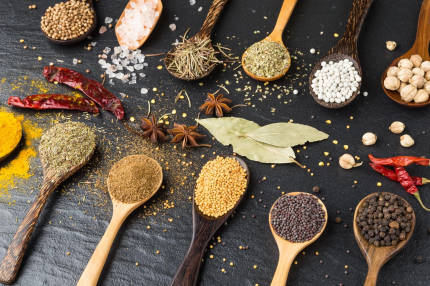
Basic storage rules
It is advisable to store spices in a dry place, protected from direct sunlight, excessive heat, and moisture.
After opening, the package must be closed tightly.
Do not pour seasonings with a wet spoon or store them directly over a steam source.
If the spice shows signs of mold, an unusual odor, or other noticeable changes, it is best not to use it.
The expiration date and storage conditions should be checked on the packaging of the specific product.
The most common myths about the benefits and harms of spices
Myth 1. Natural spices can't hurt.
Plant origin does not guarantee safety. Some spices can cause allergies, irritation, or interactions with medications, especially in concentrated form.
Myth 2. Hot peppers are the main cause of stomach ulcers.
No. The most common causes of peptic ulcers are Helicobacter pylori and certain medications. Spicy foods can aggravate symptoms, but are not a universal cause of the disease.
Myth 3. Turmeric in any quantity is good for the liver.
No. There have been rare reports of liver damage after using concentrated turmeric and curcumin preparations.
Myth 4. Cinnamon can replace diabetes medication.
Available research does not support the use of cinnamon in place of prescribed diabetes-lowering treatment.
Myth 5. Black pepper always enhances the beneficial effects of other products.
Piperine may affect the absorption of certain substances, but this is not always a desired effect. For some drugs, changes in concentration in the body can be dangerous.
Myth 6. If a spice is suitable for an adult, it is safe for a child.
Children may have different sensitivities and needs. Concentrated herbal preparations should not be used on children without the advice of a pediatrician.
How to understand that a spice is causing an adverse reaction
Not every discomfort after eating means an allergy or intolerance to a specific spice.
For example, hot sauce may contain peppers, tomatoes, vinegar, garlic, and a large amount of fat.
If heartburn occurs after it, it is difficult to determine the cause based on just one meal.
It is useful to pay attention to the recurrence of symptoms and the composition of the dish.
If necessary, the doctor can recommend appropriate diagnostics.
When emergency help is needed
The following symptoms after eating require immediate medical attention:
difficulty breathing;
swelling of the tongue or throat;
rapid spread of urticaria along with other systemic symptoms;
severe dizziness or loss of consciousness;
signs of a severe allergic reaction.
You should also not ignore severe, prolonged abdominal pain, vomiting blood, or black, tarry stools.
In such situations, immediate medical evaluation is necessary, not dietary experimentation.
Conclusion
Spices can be a beneficial part of a varied diet, but their effects depend on the amount, form of use, and health status.
People with hypertension, liver and kidney diseases, biliary tract diseases, certain digestive disorders, and those who regularly take medications need to be especially careful.
At the same time, the common culinary use of most spices should not be equated with taking concentrated herbal supplements.
The best approach is to use spices in moderation, take into account individual tolerance, and not try to treat the disease yourself with large doses of natural products.
FAQ: Frequently Asked Questions about Spices and Health
What spices should you not eat if you have gastritis?
There is no universal list of prohibited spices for all people with gastritis. Hot peppers and other intense spices can increase discomfort in some patients. At the same time, it is of primary importance to establish the cause of gastritis and its treatment. Dietary restrictions should be determined individually with a doctor.
Can I eat spicy food if I have a stomach ulcer?
Spicy foods are not the main cause of peptic ulcers, but they can aggravate symptoms in some people. If spicy foods cause pain or burning, it is advisable to limit them. However, treatment of ulcers requires diagnosis and appropriate drug therapy.
What spices are dangerous for high blood pressure?
Licorice root should be avoided in particular, as glycyrrhizin can increase blood pressure and cause fluid retention and potassium depletion. Common culinary spices do not need to be automatically excluded for all people with hypertension.
Can turmeric be used for liver disease?
People with liver disease should not take concentrated turmeric or curcumin supplements on their own. There have been rare reports of drug-induced liver damage from these products. Recommendations for the usual amount of turmeric in food should be determined on an individual basis.
Is cinnamon bad for the liver?
Cassia cinnamon can contain significant amounts of coumarin, which can be harmful to the liver if consumed excessively over a long period of time. Ceylon cinnamon usually contains much less coumarin. People with liver disease and those who regularly consume large amounts of cinnamon should exercise the greatest caution.
Can you drink ginger tea every day?
For many healthy adults, regular ginger tea can be part of their diet. However, concentrated infusions or large amounts of ginger can sometimes cause heartburn, diarrhea, and abdominal discomfort. If you have a chronic medical condition or take regular medications, you should consult your doctor.
Can you eat black pepper if you are taking medication?
Small culinary amounts of black pepper are generally not equivalent to concentrated piperine supplements. However, piperine has the potential to interfere with the metabolism of some medications. If you are taking medications with a high risk of interactions, use of piperine supplements should be discussed with your doctor.
Can spices cause allergies?
Yes. Allergic reactions can occur to various spices, including mustard, celery, coriander and other plant components. Symptoms range from local itching to severe systemic reactions. If an allergy is suspected, consultation with an allergist is required.
Is it safe to eat spices during pregnancy?
Many common culinary spices can be used in edible amounts if they are well tolerated. However, concentrated herbal supplements may have other risks and their safety during pregnancy is often not well-studied. Consult a doctor before using such products.
Should you completely give up spices if you have digestive problems?
Not always. Some spices may aggravate symptoms, while others are well tolerated. It is important to determine the cause of the disease and assess individual reactions to specific foods. Complete elimination of all spices without medical indication is usually not necessary.
Important: The article is for informational purposes only and is not a substitute for professional medical advice. Self-medication, the use of spices in therapeutic doses, taking concentrated herbal extracts or supplements can be harmful to health. Before using any spices for medicinal purposes, be sure to consult a doctor, especially if you have liver, kidney, cardiovascular or digestive system diseases, are pregnant, breastfeeding or taking medications. In case of a severe allergic reaction, difficulty breathing, signs of internal bleeding or other dangerous symptoms, emergency medical care is required.

