

Adding salt to the water when boiling eggs is a habit that many people have inherited from their parents or grandmothers. It is believed that thanks to salt, the shell does not crack, the white does not leak, and the finished eggs are easier to peel. Some are even convinced that salted water helps cook eggs faster. However, not all of these claims have scientific confirmation. Salt can indeed be useful if the egg cracked during boiling, but it does not guarantee the integrity of the shell, does not provide easy peeling, and has practically no effect on the speed of cooking.
To get eggs with tender whites, evenly cooked yolks, and intact shells, it's much more important to properly control the heat, cooking time, and cooling. We'll look at what happens to eggs in salt water, how much salt to add, and which kitchen tricks really make sense.
Why is salt added when boiling eggs?
Common table salt, or sodium chloride, dissolves in water and changes some of its physical and chemical properties. In particular, it affects the boiling point and the behavior of proteins with which it comes into contact.
However, the effect depends on the salt concentration, temperature, and whether the salt water can directly interact with the egg contents.
If the shell is intact, most of the white and yolk are isolated from the surrounding water, so adding a teaspoon of salt to the pan won't significantly change their consistency.
Another situation occurs when the shell is damaged. Then the protein comes into contact with water, and salt can affect the rate at which it coagulates.
Why salt helps if an egg is cracked
When an egg is heated, the proteins inside gradually change their structure. This process is called denaturation.
First, the protein molecules unfold under the influence of heat, and then form new bonds with each other. As a result, the liquid transparent protein turns into a denser white mass.
This stage is called coagulation.
Salt can affect the interaction of protein molecules and promote their coagulation in hot water.
If a crack forms during cooking, some of the protein will begin to leak out. In salted water, it can condense more quickly near the damaged area.
Sometimes this helps reduce the amount of protein leaking from the egg.
However, this effect is not guaranteed. If the shell is badly cracked or the egg continues to move vigorously in the boiling water, salt will not save it from damage.
So, the main practical benefit of salt is the ability to partially limit the leakage of protein from an egg whose shell has cracked during heating.
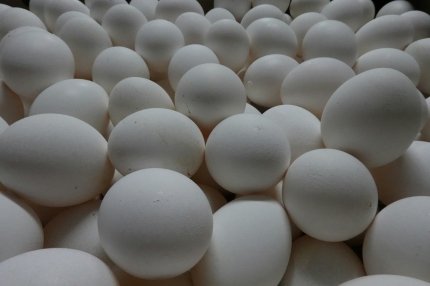
Is it true that salt prevents eggs from cracking?
This is one of the most common beliefs associated with boiling eggs. However, salt does not harden the shell after a few minutes in water.
Scientific studies into the causes of egg cracking during heating have not found a convincing protective effect of adding salt.
To understand why, it is worth considering the structure of an egg.
What happens to the shell when heated?
Eggshells are made up mostly of calcium carbonate. They are hard but have microscopic pores.
There are two thin membranes under the shell, and there is an air chamber near the blunt end of the egg.
When heated, the contents of the egg expand. If the stress becomes too great for the shell, it can crack.
The likelihood of damage depends on several factors:
the presence of microcracks;
shell thickness and strength;
egg size;
storage conditions and duration;
heating intensity;
mechanical impacts against the bottom of the pan or other eggs.
Salt in the water does not eliminate these causes. Therefore, even heavily salted water does not guarantee that all the eggs will remain intact.
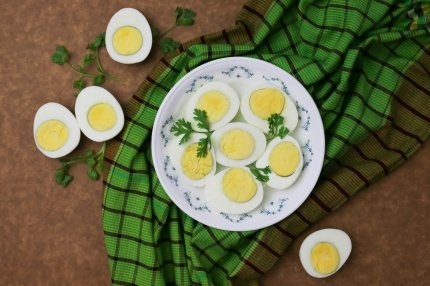
Why do eggs sometimes crack immediately after being immersed in water?
If a cold egg is placed in boiling water, its outer layers heat up quickly, while the inside remains cooler.
Uneven expansion of materials can create additional stress.
However, temperature changes are not the only cause. Even room temperature eggs can crack due to a weak shell or mechanical shock.
Starting cooking in cold water ensures more gradual heating, although in itself it also does not guarantee the absence of cracks.
The best results are achieved by a combination of careful handling of the eggs and moderate heating.
How much salt should you add to water to boil eggs?
If you are used to salting water, a small amount is enough.
For a regular saucepan, you can use about one teaspoon of salt per liter of water. This is a cooking guideline, not a scientifically established optimal dose for protecting eggs.
It is important to understand that there is no proven universal proportion that guarantees shell integrity or easy cleaning.
More salt will not necessarily improve the result.

When to add salt: to cold or boiling water
There is no fundamental difference for ordinary boiling of eggs.
Salt can be dissolved in cold water before heating or added after the water is hot.
The main thing is that it dissolves.
If the eggs are whole, the moment of adding salt has practically no effect on the taste of the finished product.
And if the goal is to reduce protein leakage in the event of a crack, the salt should be dissolved in the water before damage occurs.
Does salt water help peel boiled eggs more easily?
Many people believe that salt helps separate the shell from the egg white. In fact, the mechanism of egg peeling is much more complex.
There are thin membranes between the shell and the white. How tightly they adhere to a boiled egg depends on its freshness, the acidity of the white, and the cooking conditions.
Studies of the effect of salt on ease of cleaning have yielded mixed results. In some experiments, a certain effect was observed, but it was not consistent.
Therefore, adding salt cannot be considered a reliable way to obtain eggs that are easy to peel.
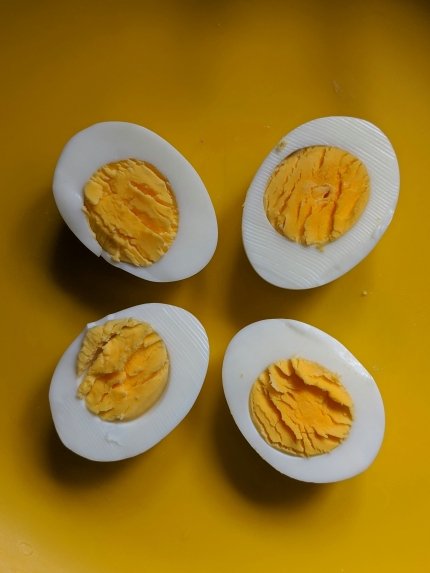
Why are fresh eggs harder to peel?
In fresh eggs, the protein has a lower pH level than in those that have been stored for some time.
Gradually, carbon dioxide escapes through the pores of the shell. The acidity of the protein decreases, meaning it becomes more alkaline.
This may weaken its adhesion to the inner shell.
At the same time, the egg slowly loses some of its moisture, and the air chamber increases.
That's why eggs that have been properly stored in the refrigerator for a while are often easier to peel than completely fresh ones.
However, this does not mean that you should use old or questionable quality products for cooking.
It is important to consider the expiration date and proper storage conditions.
How to properly cool eggs so they are easy to peel
After cooking is complete, it is advisable to cool the eggs quickly.
The easiest way:
Drain the hot water.
Transfer the eggs to a bowl of cold water and ice.
Leave for about 5–10 minutes or until sufficiently cooled.
Gently tap the egg on a hard surface to crack the shell.
Start cleaning from the blunt end, where the air chamber is located.
Cold water helps stop the egg from heating further and can make it easier to separate the shell.
If the shell still sticks tightly to the white, try peeling the egg under a thin stream of cold water.

Does salt speed up the cooking of eggs?
From a physics perspective, salt does indeed raise the boiling point of water. This phenomenon is called boiling point elevation.
When sodium chloride dissolves in water, its properties change, including its vapor pressure. As a result, a slightly higher temperature is required to begin boiling.
However, in normal kitchen conditions, this effect is extremely small.
For example, 5 g of table salt per liter of water raises the boiling point by approximately 0.09 °C at standard atmospheric pressure.
This difference has virtually no effect on the cooking time of the eggs.
Much more important are:
egg size;
its initial temperature;
amount of water;
size and material of the pan;
heating intensity;
cooking method.
Therefore, there is no point in increasing the amount of salt for the sake of faster cooking.
Do boiled eggs become salty if you add salt to the water?
If the shell is intact, briefly boiling in moderately salted water usually does not impart a noticeable salty taste to the egg.
The shell has pores, but this does not mean that table salt freely penetrates inside in a few minutes in an amount sufficient to significantly change the taste.
For true salting of eggs, completely different conditions are used: concentrated salt solutions and long-term aging.
During normal cooking, such processes do not have time to occur on a noticeable scale.
If the shell is cracked, salt water can come into direct contact with the protein, which can cause a local taste change.
Therefore, it is practically impractical to salt water for the sake of the taste of cooked eggs. It is much easier to add the required amount of salt after cleaning.

How to properly boil eggs so they don't crack
The correct cooking method is more important than any additives to the water.
For home cooking, a convenient method of gradual heating is to first place the eggs in cold water.
Step-by-step instructions for poached eggs
Step 1. Choose a pan that can accommodate the eggs in a single layer. They should not be tightly packed together.
Step 2. Carefully place the eggs on the bottom of the pan.
Step 3. Pour in cold water so that its level is about 2–3 cm above the eggs.
Step 4. Heat the water until it starts to boil.
Step 5. Once the water boils, remove the pan from the stove, cover with a lid, and leave the eggs in the hot water.
Step 6. Leave for the required time depending on the size of the eggs.
Step 7. Drain the hot water and immediately cool the eggs.
This way, the eggs continue to cook thanks to the heat of the water, but they are not subjected to prolonged intense boiling.
It helps reduce the risk of shell damage due to impacts and prevent excessive protein compaction.
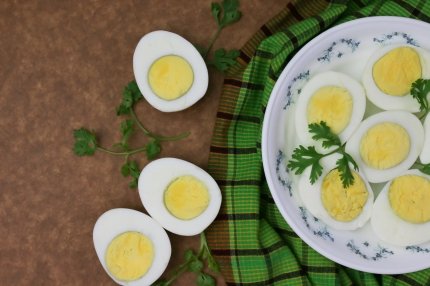
How long to boil eggs
For the method of leaving the eggs in hot water after boiling, the approximate time is as follows:
| Egg size | Holding time after boiling |
| Average | 12 minutes |
| Large | 15 minutes |
| Very large | 18 minutes |
These values apply specifically to the described method, when the pot is removed from the stove after boiling.
If the eggs are cooked continuously over low heat or placed directly into boiling water, the time may vary.
The material of the pan, the volume of water, and the size of the eggs also affect the result.
To be safe to consume, eggs must be cooked sufficiently to make the white and yolk firm.
Why do eggs crack when cooked even without boiling hard?
If eggs regularly crack, it's worth checking the cooking conditions, not the amount of salt.
1. Invisible shell damage
Thin cracks cannot always be seen with the naked eye.
They can occur during transportation, storage, or careless laying of eggs.
After heating, such areas become weak points, causing the shell to split.
2. Excessive movement of eggs in the pan
During strong boiling, water vapor bubbles create movement in the liquid.
Eggs can hit the bottom, sides of the pan, and each other.
If the shell is already damaged, even a small impact is sometimes enough to cause a crack.
Therefore, after boiling begins, it is better to reduce the heat or use the hot water cooking method without further boiling.

3. Shell features
The strength of the shell depends on its thickness, structure, and mineral composition.
These characteristics can vary even between eggs from the same pack.
Shell color is not a reliable indicator of strength. Brown eggs are not necessarily stronger than white eggs.
4. Storage features
The conditions and duration of storage affect the condition of the egg contents, air chamber, and shells.
This can change the behavior of the egg during heating.
However, you should not intentionally keep eggs warm in the hope of reducing the likelihood of cracking. Violating the temperature regime creates food safety risks.
Salt, vinegar or baking soda: what is better to add to the water when boiling eggs
In addition to salt, homemade recipes often recommend using vinegar or baking soda.
Each of these additives has different chemical properties, but none is a substitute for proper cooking.
| Additive | Possible effect | Limitation |
| Salt | May accelerate the clotting of protein leaking through the crack | Does not guarantee shell integrity |
| Vinegar | Acidic environment affects protein folding | Does not reliably prevent cracking |
| Baking soda | Increases the alkalinity of water, sometimes used to facilitate cleaning | The effect is unpredictable, excess is undesirable |
| Plain water | Provides the necessary heating without additional substances | It is necessary to properly control the process |

Does vinegar help if the egg is cracked?
Acetic acid can affect protein molecules and promote their folding.
This is why vinegar is sometimes added to the water when cooking poached eggs, when the egg white without the shell is in direct contact with the liquid.
For eggs in their shells, the effect is much less important.
Additionally, acids react with calcium carbonate, which is the main component of the eggshell. Therefore, concentrated acidic solutions should not be used for prolonged soaking of eggs without proper technology.
Should I add baking soda for easy cleaning?
Baking soda makes water more alkaline.
There is culinary speculation that this may help separate the inner shell from the cooked protein.
However, there is not enough convincing evidence of the consistent effectiveness of this method.
A much more predictable result is provided by proper cooling and using eggs that are not freshly laid, but have been properly stored.
Do you need to pierce eggs before cooking?
Sometimes it is advised to make a small hole with a needle near the blunt end of the egg.
The idea is to allow air to escape during heating and reduce internal pressure.
However, the results of this method are ambiguous.
Punctures can actually damage the shell or create an additional pathway for microorganisms to enter.
Therefore, there is no need to specifically pierce eggs for regular home cooking.
If you want to reduce the risk of cracking, it is more practical to carefully place the eggs in the pan and avoid boiling them vigorously.
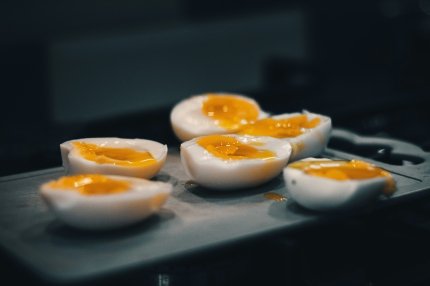
Why does the yolk turn green after cooking?
Sometimes, after peeling an egg, a gray-green rim is visible around the yolk.
This usually does not mean that the product is spoiled.
When heated, sulfur compounds from the egg white can react with the iron in the yolk, forming iron sulfide, which gives the yolk its characteristic greenish hue.
This most often happens due to excessively long or intense heating.
To reduce the likelihood of this rim appearing:
do not boil eggs much longer than necessary;
do not leave ready-made eggs in hot water for a long time;
Cool them quickly after cooking.
Salt in water is not a reliable way to prevent the yolk from turning green.
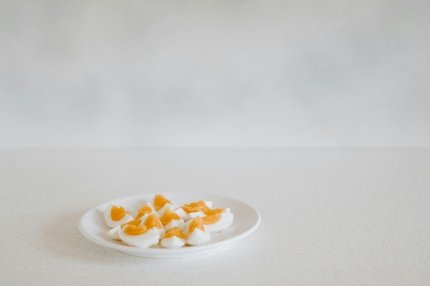
Can you eat an egg if the shell cracked during cooking?
It is important to distinguish between two situations here.
If the shell cracked directly during cooking and the egg was fresh, properly stored, and fully cooked, such damage in itself usually does not make it unsafe.
If some of the protein has leaked and coagulated in the water, it mainly affects the appearance.
Another situation is when the egg had a crack even before cooking began, and the time of its occurrence is unknown.
A damaged shell can allow bacteria to enter. Therefore, it is not recommended to buy eggs with cracks.
The risk of salmonella infection requires special attention. Even an egg that looks clean on the outside and has a whole shell can contain dangerous bacteria.
It is important for young children, pregnant women, the elderly, and those with weakened immune systems to avoid undercooked eggs.
Safety information: The material is for informational purposes only. If you suspect food poisoning, you should consult a doctor. Self-medication can be harmful to your health.
How long can you store boiled eggs?
Proper storage is important regardless of whether salt was used during cooking.
According to food safety recommendations, hard-boiled eggs can be stored in the refrigerator at a temperature not exceeding 4 °C for up to seven days.
This applies to both peeled eggs and eggs in their shells.
However, storage conditions must be appropriate.
After cooking, the eggs should be cooled and placed in the refrigerator for two hours.
You shouldn't leave them on the kitchen counter overnight, even if the shell is not damaged.
For peeled eggs, it is advisable to use a clean container with a lid.
If there is a strange smell, a slippery surface, or other signs of spoilage, the product should be discarded. However, the absence of such signs does not guarantee the safety of eggs that have been stored incorrectly.

The main mistakes when boiling eggs
To get a good result, it is important to avoid common mistakes that are often mistakenly tried to compensate with salt.
The first mistake is boiling too much. This increases the movement of the eggs in the pan and the risk of mechanical damage.
The second is an overcrowded pan. If the eggs are stacked in multiple layers or tightly packed together, they may heat unevenly.
The third is lack of time control. Excessive heating makes the white dense and rubbery, and a greenish rim can form on the yolk.
Fourth, slow cooling. Hot eggs continue to cook even after you remove the pan from the stove.
Fifth - improper storage. Boiled eggs should not be left at room temperature for a long time.
Salt does not eliminate the effects of these mistakes. Therefore, the main focus should be on the preparation method, not additives.
Conclusion
Adding salt to the water when boiling eggs is not necessary. Its main practical advantage is that it can help the egg whites coagulate more quickly if the shell has cracked.
At the same time, salt does not guarantee that the eggs will remain intact, does not provide easy cleaning, and does not significantly reduce cooking time.
For a good result, the quality of the eggs, moderate heating, the correct cooking time and rapid cooling are more important. These factors help to obtain a tender white, an evenly cooked yolk and a shell that is easier to remove.

FAQ: Frequently Asked Questions About Salt When Boiling Eggs
Why do you put salt in the water when you boil eggs?
Salt can help the egg whites that leak through cracks in the shell to coagulate more quickly. This can sometimes help reduce protein loss during cooking. However, salt does not guarantee the integrity of the egg and is not a necessary addition.
Do you need to salt water for boiling eggs?
No, eggs can be boiled in plain water without salt. Their doneness is primarily influenced by temperature, heating time, and size. Salt can be added out of habit, but it usually does not provide a significant advantage for whole eggs.
How much salt is needed per liter of water to boil eggs?
You can use about one teaspoon of salt per liter of water. However, this is a conventional cooking ratio. There is no scientifically proven amount of salt that is guaranteed to prevent the shell from cracking.
Does salt help make eggs easier to peel?
The evidence is mixed. Some studies have found some effect, but it hasn't been consistent. Much more important is how fresh the egg is and how quickly it's cooled after cooking.
What is better to add to the water for eggs: salt or vinegar?
Both additives can affect the egg white's coagulation if they come into direct contact with it. However, neither is necessary for normal cooking of whole eggs. The key is to properly control the heat and cooking time.
Why do eggs crack even in salt water?
Salt does not strengthen the shell. Cracks can occur due to internal stress during heating, existing damage, or impacts to the pan. To reduce the risk, avoid boiling vigorously and handle eggs with care.
Can you boil eggs without salt and vinegar?
Yes. All you need to boil eggs is water and proper heating. There is no need to add salt, vinegar, or baking soda.
Does salt in water affect the taste of boiled eggs?
If the shell is intact, a moderate amount of salt in the water during normal cooking times will have little effect on the taste of the white and yolk. For a distinct salty taste, eggs should be seasoned after cooking.
What to do if an egg cracks while cooking?
If the egg had a whole shell before cooking and cracked during cooking, it is usually sufficient to continue with the proper cooking process. However, if the egg was damaged beforehand and it is not known when the crack occurred, it is better not to use it.
How to boil eggs so that the shell remains intact?
Place the eggs in a single layer in a saucepan, cover with cold water and heat gradually. Once boiling, you can remove the saucepan from the heat, cover with a lid and let the eggs sit in the hot water until they are completely cooked. Avoid boiling vigorously or sudden shocks.

