

The patties may look perfectly formed, but as soon as they hit the pan, they crack, stick to the surface, or fall apart when you flip them. Sometimes the problem starts even earlier: the minced meat is so runny that it’s difficult to form even one patty.
The reason is not always an insufficient amount of eggs or bread. The consistency of cutlets is affected by the ratio of meat to moisture, the fat content of the minced meat, the degree of grinding, the method of mixing, and the temperature of the pan.
If the cutlets fall apart, first of all, you need to check the moisture content of the minced meat, its ability to hold its shape, and the frying conditions. Too liquid mass can be corrected with a small amount of breadcrumbs, and poorly bound minced meat - by proper mixing. Sometimes it is enough to cool the formed cutlets and not turn them over prematurely.
We analyze the ten main reasons for unsuccessful cutlets, explain how many eggs and bread you need to add per 500 g of minced meat, how to properly fry cutlets, and what to do if they have already started to fall apart.
Why cutlets don't hold their shape: what happens to the minced meat
For the cutlet to remain intact, its ingredients must form a sufficiently strong structure.
Muscle proteins, particularly myosin, play an important role in minced meat. When mixed with salt, some of these proteins become more accessible and help the meat particles bond together.
When the cutlet heats up, the proteins change their structure and gradually form a denser mass.
However, if the minced meat has too much water, large pieces of vegetables, or not enough binding ingredients, the structure may remain weak.
The cutlet can also be damaged mechanically - for example, if it is picked up with a narrow spatula before a firm crust appears.
It is important to distinguish three situations:
The minced meat is spreading before frying. Most likely, the mass is too wet or not bound enough.
The cutlet cracks during shaping. The minced meat may be dry, uneven, or not plastic enough.
The cutlet falls apart in the pan. The problem could be the texture of the ground meat, the temperature, or turning it over too soon.
Determining the cause helps avoid the common mistake of adding flour or eggs in any incomprehensible situation.
What to do if the minced meat has already turned out to be liquid or the cutlets are falling apart
Before changing the recipe, evaluate the consistency of the raw ground beef.
Properly prepared dough for classic homemade cutlets is usually plastic enough to form a cutlet that fits in the palm of your hand and doesn't spread.
At the same time, the minced meat does not necessarily have to be hard or dry.

How to quickly fix the problem
| Problem | Possible cause | What to do |
| The stuffing is liquid and doesn't hold its shape. | Excess moisture | Add some breadcrumbs and let them absorb the liquid. |
| Cutlets crack during molding | Dry or heterogeneous mass | Knead carefully, assess the amount of moisture |
| The cutlets fall apart when turned over. | The crust has not yet formed. | Let the first side brown. |
| The stuffing is sticky and very soft. | Warm fat, excess liquid | Cool in the refrigerator. |
| The cutlets are firm but intact. | Too many crackers or overmixing | Adjust the recipe next time. |
| The fish cakes are falling apart. | Not enough binding component | Add egg, mashed potatoes or breadcrumbs |
| Vegetable cutlets fall apart | The vegetables released too much juice. | Press out the mass and add the appropriate binding component |
It is better to adjust the minced meat gradually. After each addition of ingredients, you need to mix the mass thoroughly and evaluate the result.
Mistake #1. There is too much water in the minced meat
Excessive humidity is one of the most common reasons why cutlets don't hold their shape.
Water can get into minced meat from several sources: meat after defrosting, raw onions, soaked bread, zucchini, milk, or other additives.
The problem is especially noticeable during frying. As the water starts to heat up and evaporate, the structure of the patty can weaken.
How to tell if minced meat is too wet
Try to form a small cutlet.
If the mixture spreads quickly in your palm and liquid collects at the bottom of the bowl, there is probably too much.
Another characteristic feature is that the minced meat is so sticky and liquid that it is impossible to transfer it from a tablespoon without losing its shape.
How to fix runny stuffing
To start, you can add one tablespoon of fine breadcrumbs per 500 g of minced meat.
Mix and leave the mixture in the refrigerator for about 10–15 minutes so that the crackers absorb some of the moisture.
After that, evaluate the consistency.
If the minced meat is still too liquid, you can add a small amount of breadcrumbs.
Don't add half a cup of flour at once. Too much dry ingredients can make the cutlets dense and change their taste.
Mistake #2. Incorrect ratio of meat and other ingredients
Classic homemade cutlets are not only made from meat.
Bread, onions, eggs, milk, herbs, spices, and other ingredients can be added to the minced meat.
However, their number matters.
For example, if you add a large onion, a lot of milk, and two eggs to 500 g of meat, the mass may become excessively moist.
At the same time, cutlets made only from very lean meat sometimes turn out dry or not plastic enough.
Approximate proportions for 500 g of minced meat
| Ingredient | Estimated quantity |
| Minced meat | 500 g |
| Onion | 50–80 g |
| White bread without crust | 40–60 g |
| Water or milk for bread | Approximately 50–70 ml |
| Egg | 0–1 small, depending on the recipe |
| Salt | Approximately 7–9 g |
| Black pepper | To taste |
These are culinary guidelines, not mandatory proportions for each type of cutlet.
For example, ground chicken may require different additives than a mixture of pork and beef.
It is also important to consider the fat content of the meat and the amount of liquid that the minced meat already contains.
Mistake #3. Adding too much raw onion
Onions give the cutlets flavor and juiciness, but they contain a lot of water.
If you add too much, especially in the form of a liquid puree, the consistency of the minced meat may deteriorate.
During frying, the onion softens further, and its juice affects the structure of the cutlet.
How to properly add onions to minced meat
There are several ways to make classic cutlets:
Finely chopped raw onion. Suitable if there is not much of it and the minced meat is dense enough.
Grated onion: Distributes more evenly, but may release more free liquid.
Lightly fried onions. Has a milder flavor and allows for some of the excess moisture to be removed before adding to the minced meat.
For a particularly tender texture, you can first sauté finely chopped onions in a small amount of oil and then cool completely.
You should not add hot onions to raw minced meat: this can heat the meat unevenly and make it difficult to store later.
Mistake #4. There are not enough binding components in the minced meat
Not all cutlets require eggs or breadcrumbs.
For example, properly prepared ground beef for burgers can hold its shape without additional binding ingredients.
However, homemade meatballs with bread, vegetables, and a variety of other toppings may require ingredients that help bind the mass together.
How to fasten minced meat
Egg. Its proteins coagulate when heated and help form the structure.
Breadcrumbs: Absorb some of the moisture and make shaping easier.
Soaked bread. Helps retain moisture and creates a softer texture.
Potato starch. Can thicken wet mass when heated, but excess of it worsens the consistency.
Mashed potatoes. Often used for fish and vegetable cutlets.
The choice depends on the recipe.
Do not add all the ingredients at once unnecessarily: too much binding ingredient can make the cutlets heavy.
Is it necessary to add an egg to cutlets?
Eggs are a popular ingredient in homemade meatballs, but they are not universally necessary.
Meat proteins themselves are capable of forming a sufficiently strong structure when properly ground, salted, and mixed.
Therefore, beef or pork cutlets can be prepared without eggs.
However, for minced meat with a lot of vegetables, fish, or other additives, an egg can be useful.
How many eggs are needed for 500 g of minced meat?
Many home recipes use one small egg per 500 g of meat.
But the exact amount depends on the consistency.
If the minced meat is already too liquid, adding a large egg can initially make it even more moist.
In this case, it is better to assess whether an egg is really needed or adjust the amount of other liquid ingredients.
More eggs does not mean firmer or juicier patties. Excess egg whites can make the finished texture denser.
Mistake #5. Incorrectly prepared bread
White bread is traditionally used in homemade meatballs to create a tender texture.
A mixture of bread and liquid, called panada in cooking, is especially useful.
It helps retain moisture and reduce the feeling of excessive density in the meat.
However, if the bread has absorbed too much milk or water, the minced meat may become too liquid.
How to properly prepare bread for cutlets
Take about 40–60 g of white bread without a hard crust.
Add a small amount of milk or water.
Leave for a few minutes to soften.
Mash the bread until smooth.
If there is any free liquid left, remove it.
Add the bread mixture to the minced meat and mix thoroughly.
Properly prepared bread should be moist, but not floating in milk.

Can bread be replaced with breadcrumbs?
Yes. Breadcrumbs are especially handy when you need to thicken up a bit of too-wet minced meat.
However, there is a difference between breadcrumbs and soaked bread.
Breadcrumbs gradually absorb liquid, while pre-moistened bread immediately forms a softer mass.
A moderate amount of soaked bread is often better for juicy homemade meatballs.
It is more convenient to use crackers to adjust liquid minced meat.
Mistake #6. The minced meat is not mixed enough or too much
When mixing minced meat with salt and other ingredients, the interaction of proteins changes.
Moderate mixing helps make the mass homogeneous and sufficiently cohesive.
However, excessive mechanical processing can create a texture that is too dense, elastic.
Therefore, it is important to find a balance.
How to tell if the minced meat is mixed well enough
For classic meatballs, the mixture should be uniform, plastic, and hold together during shaping.
You don't necessarily need to turn it into a smooth paste.
Mix the minced meat with clean hands or a kitchen spatula until the ingredients are evenly distributed and the meat mass becomes noticeably more cohesive.
The exact time depends on the amount of minced meat and the method of processing.
For tender cutlets, whipping in a food processor for too long may be undesirable.
At the same time, some types of meat products, on the contrary, require more intensive mixing. Therefore, the rules for sausages and classic homemade cutlets are not always the same.
Mistake #7. Cutlets are formed incorrectly
Even well-prepared ground beef can fall apart if the patties have uneven thickness or large cracks.
It is especially difficult to fry very large and thick products.
Their surface may brown quickly, while the middle will not yet reach the desired temperature.
What size cutlets to make
For regular homemade cutlets, it is convenient to form portions of approximately 70–100 g.
The thickness can be approximately 1.5–2 cm.
This is not a mandatory norm, but this size makes it easier to cook evenly.
During formation:
Wet your hands lightly with cold water or use a small amount of oil.
divide the minced meat into approximately equal portions;
give the cutlets an oval or round shape;
carefully seal the edges;
remove large cracks on the surface.
There is no need to squeeze the cutlets with maximum force.
Over-compacting can make the finished meat too dense.
Mistake #8. Fry the cutlets immediately after forming.
Freshly prepared ground beef sometimes has a soft consistency, especially if it contains fat, onions, or soaked bread.
Brief cooling helps stabilize the mass.
While in the refrigerator, fat becomes harder, and crackers or bread continue to absorb moisture.
As a result, the formed cutlets can hold their shape better when transferred to the pan.
How long do you need to cool the cutlets?
For many homemade recipes, about 20–30 minutes in the refrigerator is enough.
Place the cutlets in a single layer on a clean plate or tray, cover, and set aside to cool.
Do not leave raw minced meat on the kitchen counter for a long time.
Also, refrigeration should not be considered a universal way to fix any recipe.
If the minced meat contains too much liquid, it may not be thick enough after refrigeration.
Mistake #9. Incorrectly heated pan
The temperature of the pan affects the formation of the browned surface of the cutlets.
If you place meat on an insufficiently heated surface, it may release liquid more quickly and stick.
If the pan is too hot, the outer layer may burn before the middle is hot enough.
How to start frying correctly
For homemade cutlets, moderate heating is usually convenient.
First, heat the pan, then add a small amount of oil suitable for frying.
Arrange the cutlets so that there is space between them.
Do not fill the entire surface at once, as this will cause the temperature of the pan to drop significantly.
After spreading, let the first side form a crust.
Depending on the thickness of the cutlet, this may take a few minutes.
If the surface darkens too quickly, reduce the heat.
Mistake #10. Flipping the cutlets too early
When raw minced meat hits the pan, its texture is still relatively soft.
During heating, the proteins gradually change, and the outer layer becomes more stable.
If you start moving the cutlet before this point, it is easy to damage it.
This is especially true for tender chicken, fish, and vegetable mince.
How to properly flip cutlets
Use a wide spatula that supports most of the cutlet from the bottom.
Slide it under the product and turn it over in one careful movement.
Don't just pick up the cutlet by the edge.
Do not constantly press on it with a spatula, trying to speed up cooking: this can contribute to the loss of juice.
Also, there is no need to repeatedly flip the cutlets for no reason.
If the patty sticks, do not force it away. Check the temperature and wait until the surface is browned enough.
How to make juicy cutlets that don't fall apart: a basic recipe
For the first preparation, it is convenient to use a mixture of pork and beef. It allows you to combine a rich meat flavor and moderate juiciness.
The recipe above makes approximately 7–8 small cutlets.
Ingredients
minced pork and beef - 600 g;
white bread without crust - 50 g;
milk or water - approximately 60 ml;
onion - 70 g;
salt - 9 g;
black pepper - to taste;
vegetable oil - for frying.
The egg is not required in the basic recipe. It can be added if the consistency of the minced meat and the chosen cooking method require it.
Step-by-step cooking
Step 1. Prepare the onion. Chop it very finely and sauté briefly in a little oil if desired. Cool completely.
Step 2. Soak the bread. Add milk or water to the bread, leave for a few minutes and knead until soft. Remove any excess liquid.
Step 3. Mix the ingredients. In a bowl, combine the ground beef, bread, onion, salt, and pepper.
Step 4. Knead the minced meat. Mix until smooth and sufficiently plastic.
Step 5. Check the consistency. Form one small patty. It should hold its shape without being too tight.
Step 6. Form the portions. Divide the mixture into approximately 7–8 parts and shape each into the desired shape.
Step 7. Refrigerate. Place the covered patties in the refrigerator for about 20–30 minutes.
Step 8. Brown. Heat a frying pan with a little oil. Fry the patties over medium heat until browned on both sides.
Step 9. Cook until done. Reduce heat if necessary and continue cooking. If the cutlets are thick, you can finish them in the oven.
Step 10: Check the temperature. The center of the pork and beef patties should reach at least 160°F (71°C).
The time depends on the thickness, composition of the minced meat and the cooking method. Focus on the internal temperature, not just the color of the crust.
Why do chicken cutlets fall apart more often?
Ground chicken may have a different consistency than pork or beef.
This is especially true for minced meat from breast, which contains relatively little fat.
If the meat is very finely chopped or contains extra moisture, it may be more difficult to shape the cutlets.
In addition, onions, zucchini, cheese, or dairy products are often added to minced chicken. Too much of these can change the texture.
How to make chicken cutlets firmer
For 500 g of minced chicken, you can use a small amount of breadcrumbs or prepared white bread.
If necessary, one small egg will do.
You shouldn't add a lot of milk or cream at once.
It is more convenient to form cutlets from the cooled mass.
Do not turn them over while frying until a sufficiently stable surface appears.
The internal temperature of the finished chicken cutlets should reach at least 74 °C .
Why fish cutlets don't hold their shape
Minced fish has different properties than minced meat.
Its consistency depends on the type of fish, water content, and method of grinding.
For example, fillets can release a significant amount of liquid after defrosting. If you add it to the minced meat along with the fish, the cutlets may turn out too soft.
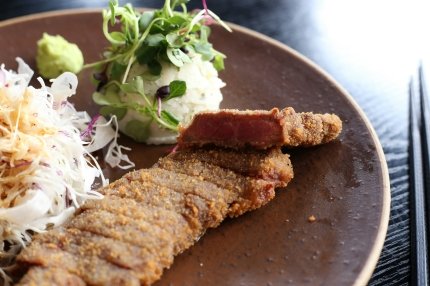
What to add to minced fish
For fish cutlets, the following are often used:
egg;
breadcrumbs;
chilled mashed potatoes;
a small amount of starch;
finely chopped greens.
You don't need to add all of these products at once.
For cutlets made from already cooked fish and potatoes, mashed potatoes are often the main binding component.
For raw minced fish cutlets, its uniformity and sufficient plasticity are important.
If using frozen fish, first defrost it properly in the refrigerator, drain off excess liquid, and pat the surface dry.
For ready-made fish cakes made from raw minced meat, the safe internal temperature guideline is 63 °C, unless the recipe requires a higher temperature due to other ingredients.
Why do vegetable cutlets fall apart?
Vegetable cutlets made from zucchini, carrots, potatoes, or cabbage have a different structure than meat cutlets.
They do not have the same meat protein base, so starch, eggs, flour, and other binding components take on special importance.
The main problem often lies in the high humidity of the vegetables.
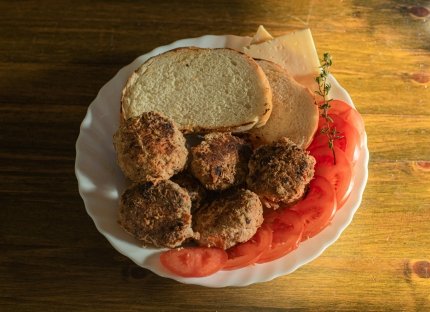
How to make zucchini cutlets firmer
Grate the zucchini, lightly salt it and leave for 10–15 minutes.
After that, carefully squeeze the juice.
You can add an egg and a small amount of flour or breadcrumbs to the prepared vegetable mass.
Form small cutlets or pancakes.
Large vegetable items are more likely to be damaged when turning, especially before the middle is fully cooked.
Do I need to bread the cutlets before frying?
Breading can help create a browned surface and make flipping easier.
For homemade cutlets, wheat flour, breadcrumbs, or fine white bread crumbs are most often used.
However, breading does not fix very runny minced meat.
If the mass spreads, even a thick layer of crackers will not provide a stable shape.
Which is better: flour or breadcrumbs?
Flour creates a thinner outer layer and is suitable for tender cutlets that do not require a distinct crispy crust.
Breadcrumbs usually produce a more noticeable browning and texture.
Breading without additional ingredients may be sufficient if the minced meat itself already holds its shape well.
There's no need to make the breading layer too thick: it can absorb excess oil and distract from the meaty flavor.
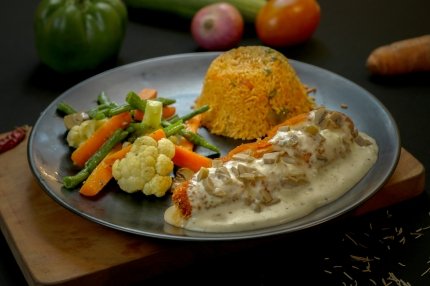
How to fry cutlets so they don't fall apart and aren't raw
Browning the surface and fully cooking the inside are different processes.
The patty may have a dark crust but remain undercooked in the center.
Therefore, it is especially important to control the thickness of the products and the cooking temperature.
Correct frying mode
First, use a moderately hot pan to create a crust.
After flipping, reduce the heat if necessary.
For thick cutlets, you can finish cooking in the oven.
Don't rely on the universal advice to fry for five minutes on each side: for different sizes and types of minced meat, this time may not be enough or too much.
Safe temperature for finished cutlets
| Type of minced meat | Minimum internal temperature |
| Beef | 71 °C |
| Pork | 71 °C |
| Mutton | 71 °C |
| A mixture of beef and pork | 71 °C |
| Chicken | 74 °C |
| Turkey | 74 °C |
| Minced fish | 63 °C with appropriate composition |
The temperature is measured with a food thermometer in the thickest part of the cutlet.
If the minced meat contains poultry, the appropriate cooking temperature should be used.
The color of the meat or the clarity of the juice are not sufficiently reliable indicators of safety.
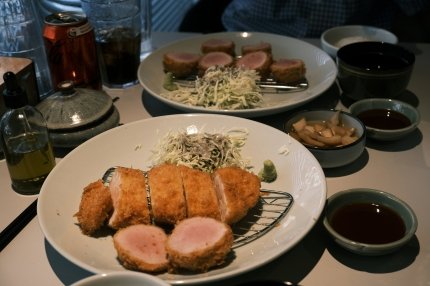
Is it better to cook cutlets in the oven than in a pan?
The oven may be more convenient if the minced meat is quite tender and the patties are easily damaged when turning.
In this case, they can be placed on a baking sheet lined with parchment and cooked without frequent movement.
For medium meatballs, you can start with a temperature of around 190–200 °C.
The duration depends on the size and composition of the products.
The advantage of the oven is that the cutlets receive heat without having to constantly stir them with a spatula.
However, the oven will not solve the problem of too runny minced meat. If the mixture does not hold its shape even before cooking, you will need to adjust its consistency first.
What to do if the cutlets have already fallen apart in the pan
If one patty is damaged while flipping, there is no need to immediately re-process the entire batch.
First, reduce the heat and wait until the pieces are sufficiently cooked.
A damaged cutlet can be used for another dish if the meat is fully cooked to a safe temperature.
For example, it can be added to:
tomato sauce for pasta;
fillings for pita bread;
rice with vegetables;
homemade casserole;
buckwheat with gravy.
If the problem repeats with all the patties, it's worth stopping and checking the rest of the raw minced meat.

How to check ground beef before frying a whole batch
Form one small test cutlet and cook it completely.
Assess whether it holds its shape, is not too dense, and is seasoned well enough.
If the test cutlet falls apart, you can adjust the remaining raw minced meat.
For example, add a small amount of crackers, cool the mixture, or change the portion size.
This will prevent you from wasting all your minced meat on unsuccessful attempts.
How to properly store minced meat and ready-made cutlets
Minced meat is a perishable product.
Grinding the meat increases its surface area, and microorganisms that may have been on the outside can be distributed throughout the mass.
Therefore, it is important to control the temperature and storage time.
Raw minced meat and poultry is usually recommended to be used or frozen within 1–2 days, provided that it is stored in the refrigerator at a temperature not exceeding 4 °C.
Ready-made cutlets can be stored in the refrigerator for about 3–4 days, provided they are properly cooled.
Do not leave raw minced meat or ready-made cutlets at room temperature for more than two hours, and at temperatures above 32 °C for more than one hour.
Reheat cooked patties to an internal temperature of 165°F (74°C).
Important: Do not taste raw ground meat to check the amount of salt or spices. Even a small portion of raw meat can contain dangerous microorganisms.
The most common myths about cutlets
Without eggs, the cutlets will definitely fall apart.
This is not true.
Meat proteins are able to hold minced meat together without adding eggs if the composition and cooking technology are selected correctly.
The more bread, the juicier the cutlets.
Not always.
A moderate amount of prepared bread can help retain moisture, but too much changes the taste and texture.
The cutlets may become too soft or resemble more of a bread mass than a meat dish.
The minced meat needs to be beaten for a long time and vigorously.
This is not a universal rule.
Moderate mechanical processing helps bind the mass, but excessive mixing can make the cutlets dense.
If the cutlets are browned, they are ready.
No.
The external color does not confirm sufficient heating inside.
For safe cooking, you need to check the internal temperature.
If the cutlets fall apart, just add more flour.
Not necessarily.
When the cause is improper turning or insufficient mixing, additional flour may be unnecessary.
First you need to identify the problem.
Conclusion
Cutlets most often fall apart due to excess moisture, a poorly bound minced meat structure, or improper frying.
For a stable result, it is important to adhere to the proportions, not add too many liquid ingredients, mix the minced meat evenly, and form cutlets of the same size.
If the mixture is too runny, you can gradually thicken it with breadcrumbs. If the cutlets are damaged when turning, you should adjust the temperature of the pan and wait for a crust to form.
Eggs, bread, and breading can help, but they are not a panacea. The best cutlets come out when the composition of the minced meat and the cooking method are properly balanced.
FAQ: Frequently Asked Questions About Meatballs That Fall Apart
Why do cutlets fall apart when frying?
The most common causes are too much liquid in the minced meat, insufficient binding of the ingredients, improper shaping or premature turning. The temperature of the pan, the fat content of the meat, and the amount of vegetables in the recipe also play a role.
What to add to the minced meat so that the cutlets don't fall apart?
Depending on the consistency, you can use a small amount of breadcrumbs, prepared white bread, or an egg. For minced meat, sometimes proper mixing is enough. It is not necessary to add all the binding ingredients at once.
How many eggs are needed for 500 g of minced meat?
For many homemade recipes, one small egg is enough. However, meatballs can be made without one. If the ground beef is already too runny, adding a large egg can make the mixture even more moist.
How to thicken liquid minced meat for cutlets?
Add one tablespoon of fine breadcrumbs per 500g of minced meat, mix thoroughly and leave in the fridge for about 10-15 minutes. If the consistency is still not thick enough, add a little more breadcrumbs.
Why do cutlets fall apart even with an egg?
An egg cannot compensate for any excess liquid. If there is too much onion juice, milk or water in the minced meat, the cutlets may remain unstable. Another reason may be improper frying.
Can I make cutlets without bread?
Yes. Bread is not a required ingredient for meatballs. Properly prepared ground meat can hold its shape thanks to its own proteins. However, bread or another binding ingredient helps to achieve a certain texture and juiciness.
Why don't chicken cutlets hold their shape?
Ground chicken can be soft due to low fat content of certain parts of the meat, too fine grinding, or excess moisture. For a better consistency, you can use a moderate amount of breadcrumbs, chill the mixture, and carefully form small patties.
Do I need to put the cutlets in the refrigerator before frying?
This is not necessary for every recipe, but it is often helpful. About 20–30 minutes of chilling can make the formed patties more stable and easier to transfer to the pan.
How to properly flip cutlets so they don't break?
Wait until the first side is browned enough. Then slide a wide spatula under the patty and carefully flip it over. Do not lift it by the edge or squeeze it with tongs.
At what temperature are cutlets considered ready?
For beef, pork, lamb and their mixtures, the minimum internal temperature is 71 °C. For ground chicken and turkey, it is 74 °C. The most reliable way to measure the temperature is with a kitchen thermometer in the center of the patty.
Correct linguistic and factual errors. Reduce repetition and condense text.

