
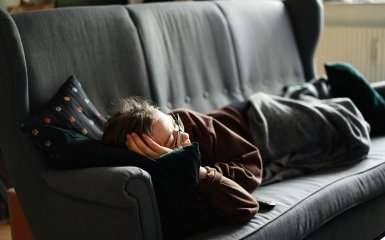
Until lunch, work goes well, and at about 2–4 p.m., a familiar scenario begins: it is difficult to concentrate, your eyes are squinting, a simple letter takes three times longer to write, and instead of a complex task, you want to open social networks or drink another coffee. This condition is often called afternoon slump or post-lunch dip . And it really does exist. An important detail: the reason is not always lunch itself. Studies show that a tendency to drowsiness in the middle of the day can occur even without eating. Circadian rhythms, accumulated sleep pressure, the duration of a night's rest, the size of lunch, lighting, physical activity, and the nature of work simultaneously affect work capacity.
1. The afternoon slump is partly built into our biological rhythms
The name post-lunch dip is a bit misleading.
It seems that people become sleepy precisely because they have eaten. In fact, laboratory studies have found a characteristic drop in alertness in the middle of the day even when participants did not eat a regular lunch.
The reason is related to the functioning of the circadian system.
Our level of alertness doesn't stay the same throughout our 16 waking hours. It fluctuates.
Many people experience the following around early to mid-afternoon:
increased drowsiness;
feeling tired;
decreased alertness;
more difficult to maintain attention;
slower performance of monotonous tasks.
Systematic reviews of cognitive performance studies also find deterioration in certain attentional measures in the afternoon hours.
That is why a completely normal person who has slept well and had a normal lunch may work a little worse at 3:00 PM than at 11:00 AM.
Why does it sometimes get easier again in the evening?
An interesting paradox: after a few sluggish hours in the afternoon, a person may feel a surge of energy closer to the evening.
This is also explained by circadian mechanisms.
The body actively maintains wakefulness during certain periods of the day, so the level of alertness does not drop evenly from morning to night.
2. Lack of sleep makes the normal afternoon slump much worse
If it's literally impossible to keep your eyes open after dinner, the first question should be very simple:
How much sleep have you actually gotten the last few nights?
Most adults need at least about seven hours of sleep per night, although individual needs may be greater.
Sleep deprivation affects:
attention;
reaction speed;
memory;
decision-making ability;
control of emotions;
productivity.
It is especially important that sleep deprivation accumulates.
If a person sleeps six hours instead of the seven and a half hours they need for five consecutive workdays, the Friday afternoon slump may feel very different than the Monday one.
Coffee can temporarily dull drowsiness, but it does not restore lost sleep to the brain.

3. A very large lunch can increase lethargy
Although the afternoon slump exists regardless of meals, the meal itself can also affect its severity.
A review of experimental studies has shown that after a large lunch, some measures of cognitive performance may deteriorate more than after a smaller one.
At the same time, the evidence base here is not so clear-cut to establish a universal “ideal lunch for productivity.”
In practice, the difference is easy to feel.
Option A:
a large portion of fried food, dessert, and a sweet drink.
Option B:
a moderate portion with vegetables, a protein source, complex carbohydrates, and a small amount of fat.
After the first option, some people feel much more heaviness.
Why you shouldn't just skip lunch
The opposite extreme is also not an optimal solution.
Hunger can impair concentration, increase irritability, and increase the likelihood of overeating in the evening.
The goal is not to give up food, but to find a portion size that makes you feel full without feeling like you need to lie down immediately.
4. Food composition can also matter
After a very sweet or refined carbohydrate meal, some people describe a sharp drop in energy.
However, a popular scheme is:
"ate carbohydrates → insulin spiked → sugar crashed → so I want to sleep"
oversimplifies physiology.
In a healthy person, glucose levels naturally fluctuate after eating, and the body regulates them using insulin and other mechanisms. Normal afternoon drowsiness does not in itself mean hypoglycemia.
A balanced lunch is usually best built around:
vegetables;
protein sources;
fiber products;
cereals, legumes or other complex carbohydrates;
moderate amounts of fat.
For example:
chicken or legumes + vegetables + buckwheat;
fish + salad + potatoes;
omelette + vegetables + whole grain bread.
The specific reaction to food is individual, so it is useful to observe after which meals it is easier to work.
5. It's not always a "sugar crash"
The term reactive hypoglycemia refers to an actual drop in glucose levels after eating, which usually occurs within a few hours.
Possible symptoms:
trembling;
sweating;
severe hunger;
dizziness;
weakness;
palpitation;
irritability;
impaired concentration.
Just wanting to yawn after dinner is not a reason to diagnose yourself with such a condition.
In people without diabetes, true postprandial hypoglycemia requires medical confirmation. A doctor assesses whether the symptoms are actually caused by a drop in glucose and whether they resolve once glucose levels return to normal.
This assessment is especially important for people who:
have diabetes;
take medications that can lower glucose;
have undergone certain stomach surgeries;
regularly have pronounced symptoms of hypoglycemia.

6. You hardly move after lunch.
Typical office scenario:
we sit for eight hours;
we eat lunch sitting down;
we return to the computer;
We'll sit for another three hours.
In such a situation, a brief change of activity may be helpful.
You don't need to do a full workout.
Even a short walk:
changes the context;
increases physical activity;
gives your eyes a break from the screen;
allows for daylight.
Practical option:
Take a 10–15 minute walk after lunch instead of immediately returning to your desk.
This is especially useful for people who work at a computer all day.
If it is impossible to go outside, it helps to at least walk around the room, climb the stairs, or take a short physical break.
7. There is too little daylight in the room
Light is one of the main signals that synchronizes our internal clock with the time of day.
Bright daylight keeps you alert.
In studies, exposure to bright light in the afternoon hours reduced subjective sleepiness and, under certain conditions, improved some measures of cognitive performance.
The practical conclusion is much simpler than laboratory experiments:
If you spend the whole day in a dark office, try going outside for 10–20 minutes after lunch.
Natural daylight also helps maintain a stable circadian rhythm.
This is especially true in the fall and winter, when a person can arrive at work in the twilight, spend the whole day indoors, and return home after sunset.
8. The morning coffee wore off and the sleep pressure continued to build.
Caffeine blocks the action of adenosine, a substance associated with the accumulation of sleep pressure.
That's why we can feel more energetic after a cup of coffee.
But caffeine does not eliminate the need for sleep.
If a person masks sleep deprivation with a few cups of coffee in the morning, fatigue may become especially noticeable in the afternoon, when the stimulating effect wears off.
Hence the typical scheme:
08:00 — coffee;
10:00 — another one;
2:30 PM — severe drowsiness;
3:00 p.m. — large coffee;
11:00 PM — hard to fall asleep;
The next day, drowsiness again.
A cycle is easily formed that way.
Can I drink coffee after lunch?
For healthy adults, moderate caffeine consumption is usually acceptable, but sensitivity to it varies greatly.
If afternoon coffee makes it harder to fall asleep, it should be postponed earlier.
There is no universal time after which coffee is off limits for everyone. People metabolize caffeine differently.
The main criterion is whether it impairs your night's sleep.
9. The brain is simply tired from several hours of intensive work
Afternoon fatigue is easy to explain entirely by food, but there is another factor — accumulated cognitive load.
Let's imagine:
From 9:00 a.m. to 1:00 p.m., you held three meetings, prepared a document, responded to messages, and constantly switched between tasks.
After lunch, the brain does not return to its 9:00 state.
He had already spent several hours at work.
Especially exhausting:
constant notifications;
many parallel tasks;
long video meetings;
complex solutions;
work without interruptions;
high emotional stress.
Therefore, it is often better to plan productivity according to your own daily rhythm.
If you think best in the morning, you can set:
writing texts;
analytics;
strategic decisions;
difficult negotiations.
And after lunch:
routine letters;
organizational tasks;
document verification;
administrative work.
Not every profession allows you to restructure your day like this, but even partial adaptation helps.
10. Severe afternoon drowsiness sometimes has a medical cause
A slight dip in alertness after lunch is common.
But there is a difference between:
"After lunch I work a little slower for an hour"
and
"I almost fall asleep at the computer every day."
Excessive daytime sleepiness can occur due to various conditions.

Sleep apnea
In obstructive apnea, breathing is repeatedly disrupted during sleep.
A person can spend eight hours in bed and still wake up feeling restless.
Tips can be:
loud regular snoring;
breathing pauses during sleep;
waking up with a feeling of shortness of breath;
morning headache;
pronounced daytime drowsiness.
Anemia
With anemia, the body receives less oxygen from the blood.
Possible symptoms include:
fatigue;
weakness;
dizziness;
dyspnea;
pallor.
Hypothyroidism
Reduced thyroid function may be accompanied by:
fatigue;
frostbite;
dry skin;
weight gain;
constipation;
slowing of the pulse.
But fatigue alone does not mean a thyroid problem.
Medicine
Some of the following can cause drowsiness:
antihistamines;
sedatives;
sleeping pills;
anxiety medications;
analgesics;
other medications.
If you are constantly feeling sleepy after starting a new medication, talk to your doctor or pharmacist. You should not stop taking your prescribed medication on your own.

What really helps you get through the afternoon slump?
You don't have to fight your own physiology with liters of coffee.
You can start with a few simple things.
1. First, normalize your night's sleep
This is the most important point.
If the body systematically lacks sleep, any life hacks will work to a limited extent.
For most adults, the guideline is at least about seven hours of sleep per night.
Quality is also important:
Eight hours in bed with constant awakenings can be less restorative than shorter but uninterrupted sleep.
2. Don't make lunch the biggest meal of the day
If you regularly find it difficult to work after a huge lunch, try a simple experiment.
Reduce your portion size for a week and see how you feel.
At the same time, lunch should remain filling enough so that you don't have to look for cookies an hour later.
3. Add protein and fiber
Instead of a lunch consisting mostly of pastries, a sugary drink, or a large serving of refined carbohydrates, try a combination of:
vegetables + protein + source of complex carbohydrates + moderate amount of fat.
This type of eating usually maintains satiety better.
4. Go outside for 10–15 minutes
Combining movement and daylight is one of the easiest options for an afternoon break.
You don't need to walk at a fast, athletic pace.
The goal is to change body position, environment, and gain light.
5. Take a short break before your concentration completely fades.
Five minutes without a working screen is sometimes more effective than 40 minutes of half-work with constant switching between email and social networks.
You can:
to walk;
to look out the window;
make a few simple movements;
pour water;
get out into the fresh air.
Is it good to sleep after lunch?
Yes, a short daytime nap can improve alertness and certain cognitive performance.
A meta-analysis of studies on daytime sleep found small to moderate positive effects on cognitive performance, including alertness and information processing speed.
For a daytime work schedule , a short nap of about 10–20 minutes is often a practical option.
Its advantage is a lower probability of waking up from a deep stage of sleep.

Why you shouldn't take a 60-minute nap in the middle of the workday
With longer sleep, the likelihood of entering deeper sleep increases.
If you wake up at this moment, sleep inertia may occur:
severe lethargy;
disorientation;
slow thinking;
desire to fall asleep again.
Therefore, after a long daytime nap, a person sometimes feels worse than before.
Also, sleeping late or for long periods during the day can interfere with falling asleep at night in some people.
"Coffee nap": coffee before a short nap - does it work?
There is a popular technique:
Drink coffee and immediately lie down for about 15–20 minutes.
The idea is that caffeine does not work instantly, so a person has time to sleep for a while, and around the time they wake up, its stimulating effect begins to become noticeable.
Small experimental studies have found benefits of this approach for vigilance.
But this is not a universal recommendation.
If you are sensitive to caffeine or have trouble falling asleep in the evening, an afternoon coffee may cause more problems than good.

Why sweets often give the illusion of quick relief
At 3:30 p.m. I want to sleep.
Cookies or chocolate give:
pleasant taste;
quick source of energy;
short psychological reward.
Therefore it seems:
"I feel better."
But if every afternoon slump automatically ends with a sweet snack, it easily turns into a daily habit.
If you're really hungry, it's better to choose a snack that's moderately filling.
For example:
natural yogurt;
fruit with a small portion of nuts;
cheese;
whole grain bread with protein filling.
If you are full, your body may need movement, light, or a short break, not another meal.
How to build your workday around your own energy
Try to rate your concentration on a ten-point scale for a week:
09:00 — 7;
11:00 — 9;
2:00 p.m. — 6;
3:30 p.m. — 4;
5:30 p.m. — 7.
A personal rhythm can emerge very quickly.
Then, if your schedule allows, the most demanding work can be scheduled for hours of maximum concentration.
For example:
09:00–12:00
Complex solutions, texts, calculations.
12:00–13:00
Less intensive tasks.
In the afternoon
A walk or a short break.
14:00–15:30
Routine operations, correspondence, organizational work.
16:00+
Return to tasks that require more attention if your level of alertness increases again.
This approach is often more realistic than requiring you to work at the same intensity every minute of an eight-hour day.

7 mistakes that increase afternoon fatigue
Sleeping 5–6 hours and trying to fix it with coffee
Caffeine masks drowsiness, but does not replace sleep.
Overeating at lunch
An excessively large portion increases lethargy in some people.
Spend your lunch break in front of the same screen
The brain receives virtually no context change.
Don't go out into the daylight at all
Especially in winter, this can impair the synchronization of circadian rhythms.
Eating sweets every time your concentration drops
Sleepiness does not always mean hunger.
Drinking a lot of caffeine late in the afternoon
If it worsens your sleep at night, the problem returns the next day.
Ignoring severe daytime sleepiness for years
Regular, uncontrollable daytime sleepiness is not just an ordinary “afternoon slump.”
When afternoon drowsiness is no longer normal
It is worth consulting a doctor if:
you regularly fall asleep while working;
you may fall asleep during a conversation;
drowsiness occurs while driving;
you sleep enough hours but never feel rested;
the partner notices breathing pauses in sleep;
you snore very loudly and have daytime sleepiness;
along with fatigue, shortness of breath, dizziness, or severe weakness appeared;
there are unexplained weight changes, chills, and other new symptoms;
drowsiness began after prescribing a new drug;
after eating, tremors, sweating, palpitations, or severe dizziness regularly occur.
It is especially dangerous to ignore drowsiness while driving. If you feel like you might fall asleep, don't continue driving in the hope of "making it a few more miles."

Conclusion
The desire to slow down after lunch often has a completely physiological explanation. Many people naturally experience a decrease in alertness in the middle of the day, and this effect can occur even without lunch.
Food can exacerbate the decline, especially if the portion is very large, but usually the picture consists of several factors: circadian rhythm, accumulated sleep needs, workload in the first half of the day, movement, lighting, and individual characteristics.
The best strategy is to start with the basics: get enough sleep at night, don't overdo your lunch, take a short walk after eating, get out into the daylight, and schedule difficult tasks for your hours of maximum concentration.
If afternoon drowsiness has turned into uncontrollable falling asleep or is accompanied by other symptoms, it should not be attributed to "laziness after eating."
Important: the material is for informational and educational purposes only and is not medical advice, diagnosis or treatment recommendations. Drowsiness and fatigue can have many causes, so do not use the article to self-diagnose or prescribe medications and supplements. Self-medication can be harmful to your health. If daytime drowsiness is severe, lasts a long time, interferes with work, or other symptoms occur, consult a doctor first. If you feel drowsy while driving, stop driving and take care of a safe rest.
FAQ
Why do you want to sleep after dinner?
One of the main reasons is the natural afternoon decline in alertness, related to circadian rhythms and the accumulation of sleep needs. Large meals, lack of sleep, and sedentary work can exacerbate this condition.
At what time does afternoon drowsiness most often occur?
For many people, the decline in alertness is most noticeable in the early to mid-afternoon hours, often between about 1:00 p.m. and 4:00 p.m. The exact time depends on sleep patterns and individual circadian rhythms.
Does drowsiness after eating mean high blood sugar?
No. Normal drowsiness after dinner does not allow for a conclusion about glucose levels. Glucose metabolism disorders require a separate medical diagnosis.
Can sugar levels drop after eating?
Yes, there is postprandial or reactive hypoglycemia, in which glucose levels drop after eating. It can be accompanied by tremors, sweating, hunger, weakness, palpitations, and dizziness and requires proper diagnosis.
What is the best thing to eat for lunch to keep you from feeling sleepy?
A moderate amount of food with vegetables, protein, fiber, and a source of complex carbohydrates is usually a practical option. It's worth observing how your body responds to different foods and portion sizes.
Does a walk after lunch help?
A short walk allows you to move, take a break from your screen, and get some daylight. For office workers, it's an easy way to break up prolonged sitting and subjectively regain vigor.
Is it good to sleep for 20 minutes after dinner?
A short nap can reduce sleepiness and improve alertness. Naps of about 10–20 minutes are often used for daytime schedules to reduce the likelihood of feeling very groggy upon awakening.
Can I drink coffee after lunch?
It is possible if caffeine is well tolerated and does not impair sleep at night. Sensitivity is individual, so for people who have difficulty falling asleep, it is often advisable to postpone their last coffee to an earlier time.
Why do I sleep for eight hours, but can barely hold on after dinner?
It's the quality of your sleep that matters, not just the length of it. Excessive daytime sleepiness can be caused by sleep apnea, certain medications, and medical conditions, among others. If the problem is regular and severe, it's worth consulting a doctor.
When is drowsiness after dinner dangerous?
If a person falls asleep uncontrollably during the day, drowsiness occurs while driving, does not go away despite adequate sleep at night, or is accompanied by other severe symptoms, a medical evaluation is necessary.

