

Eight hours in bed does not guarantee a full night's rest. You can go to bed on time, wake up 8–9 hours later, and still feel heavy, sleepy, "foggy" in your head, and want to fall asleep again.
Points of attention
- Sleep duration is not the only important characteristic for quality rest. However, continuity, quality, circadian rhythm, the effects of apnea, stress, alcohol and caffeine all play a significant role.
- For most people, the normal amount of sleep is between 7-9 hours. However, individual needs may vary, and it is more important to assess the quality of sleep.
- Fragmented sleep can cause constant fatigue. Frequent short awakenings can impair the quality of rest.
The reason is that healthy sleep is not only determined by its duration. The continuity of sleep, its quality, the time of falling asleep according to the circadian rhythm, breathing at night, alcohol and caffeine, stress levels, certain medications and health conditions are also important.
The American Academy of Sleep Medicine recommends that adults get at least seven hours of sleep per night, but individual needs may vary. The CDC also emphasizes that quality sleep is not just about getting enough hours, but about uninterrupted and restorative rest.
Therefore, the question "why don't I get enough sleep if I sleep 8 hours?" should not start with the search for a magic supplement, but with an analysis of how sleep actually goes and how a person feels during the day .
How many hours of sleep does an adult actually need?
The number “8 hours” is a convenient guideline, not a universal physiological norm for every person.
For most healthy adults, the normal amount of sleep is around 7–9 hours. Some people naturally need a little more or less. The need for rest can also be temporarily affected by sleep deprivation in the previous days, illness, exercise, pregnancy, and other factors.
It's more important to evaluate the outcome than the number. If a person wakes up relatively easily, functions normally during the day, doesn't fall asleep while working or traveling, and doesn't need constant caffeine stimulation, their regimen may meet their individual needs.
If, after spending enough time in bed, you regularly remain extremely sleepy, it is worth looking for the cause.
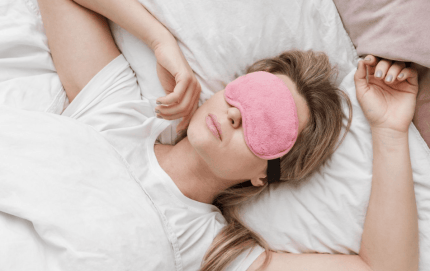
1. Eight hours in bed doesn't always equal eight hours of sleep.
The simplest explanation often goes unnoticed.
For example, a person goes to bed at 11:00 PM and gets up at 7:00 AM. Formally, that's exactly eight hours. But if they:
40 minutes can't fall asleep;
wakes up twice during the night;
after waking up once, he looks at the clock for another half hour;
wakes up at 6:30 and can't fall back asleep,
The actual duration of sleep may be closer to six and a half to seven hours.
Insomnia also doesn't necessarily mean a complete inability to fall asleep. The NHLBI lists typical symptoms as taking too long to fall asleep, waking up frequently during the night, waking up too early, and not feeling rested after sleeping.
A practical way to assess the situation is to keep a sleep diary for at least one or two weeks: record the time you go to bed, the approximate time you fall asleep, nighttime awakenings, the time you wake up, and how you feel in the morning.
2. Sleep can be long enough, but fragmented
Sleep continuity is important for recovery. Frequent short awakenings may be so brief that the person does not remember them in the morning.
The reason may be:
noise;
light;
too high or low temperature;
pets;
a small child;
frequent trips to the toilet;
pain;
heartburn;
breathing problems;
restless legs syndrome.
As a result, a person formally spends enough time in bed, but the sleep structure is constantly disrupted.
The CDC advises keeping your bedroom quiet, relaxing, and cool, and sticking to consistent bedtimes and wake-up times.
3. Sleep apnea may be the cause
One of the important reasons for the situation "I sleep a lot, but I don't get enough sleep" is obstructive sleep apnea.
During this disorder, the upper airway becomes partially or completely blocked during sleep. Breathing is interrupted, the body responds with brief brain activations, after which breathing resumes. This cycle can repeat many times throughout the night.
A person often does not remember the awakenings themselves.
According to the NHLBI, characteristic signs of apnea may include:
loud regular snoring;
breathing stops during sleep, noticed by another person;
gasping for air;
pronounced daytime drowsiness;
feeling tired;
dry mouth upon waking;
morning headache;
frequent night trips to the toilet.
That is why snoring, along with constant daytime sleepiness, should not be perceived only as a daily inconvenience.
Recording snoring on a phone or smartwatch may alert you to a problem, but it does not establish a diagnosis. A specialized sleep study may be needed to confirm apnea.
4. Sleep does not occur at the time the body expects.
It's not just the number of hours that matters, but also when a person sleeps .
The internal biological clock controls the sleep-wake cycle over a period of approximately 24 hours. It is influenced by light, darkness, physical activity, meal times, and other cues.
When this rhythm doesn't align with your social schedule, you may experience problems falling asleep, waking up in the morning, and feeling alert during the day. The NHLBI cites night shifts, frequent flights, irregular schedules, insufficient natural light during the day, and bright artificial light at night as possible causes of these disruptions.
A typical scenario is that a person forces themselves to go to bed at 11:00 PM and wake up at 7:00 AM on weekdays, and on weekends they go to bed at 2:00 AM and wake up at 11:00 AM. Such regular shifts can make it difficult to maintain a stable regime.
What helps is a predictable schedule, especially a consistent wake-up time.

5. Alcohol helps you fall asleep, but it can make your sleep worse.
Evening alcohol is often perceived as a way to relax and fall asleep faster. Subjectively, it can indeed work. The problem lies in the following hours.
A systematic review and meta-analysis of 27 studies showed that alcohol alters sleep architecture, delaying the onset of REM sleep and reducing its duration. REM sleep disruption was observed even after relatively small doses and increased with increasing alcohol intake.
Alcohol can also worsen snoring and sleep-disordered breathing in people prone to apnea.
Therefore, eight hours after a few evening drinks and eight hours without alcohol can feel very different.
6. Caffeine may last longer than you think
Coffee in the morning itself is not a problem for most people. What is much more important is the amount and timing of its consumption.
Caffeine is not only found in espresso. It can also be found in tea, energy drinks, colas, chocolate, pre-workout supplements, and some medications.
A person can fall asleep normally in the evening and not associate morning fatigue with afternoon coffee. However, falling asleep does not mean getting optimal sleep.
The CDC recommends avoiding caffeine in the afternoon and evening if you have trouble sleeping.
If the cause is not obvious, a practical experiment is to postpone the last serving of caffeine to the first half of the day for a few weeks and assess the changes.
7. Restless legs syndrome can subtly ruin your night’s sleep
If in the evening, while at rest, you have a strong desire to move your legs, and movement temporarily brings relief, you should consider restless legs syndrome.
According to the National Institute of Neurological Disorders and Stroke, the discomfort is usually worse in the evening and at night, occurs during rest, and can make it difficult to fall asleep and stay asleep. Many people with this syndrome also experience periodic limb movements during sleep.
The result can be daytime sleepiness, exhaustion, difficulty concentrating, and decreased productivity.
You should not start taking iron on your own just because you suspect restless legs syndrome: the causes and treatment may vary.

8. Constant fatigue and drowsiness are different symptoms
The phrase "I don't get enough sleep" can describe two different states.
Drowsiness is the tendency to fall asleep. A person begins to doze off while reading, watching television, in a meeting, or in transportation.
Fatigue is a feeling of lack of energy, physical or mental exhaustion. A person may not want to sleep at all.
MedlinePlus directly distinguishes between these concepts and notes that causes of chronic fatigue can include anemia, thyroid dysfunction, depression, chronic pain, infections, certain medications, and many other conditions.
This distinction is important. Adding another hour of sleep won't necessarily help if the real problem isn't sleep deprivation.
9. The reason may not be in the sleep mode, but in the state of health
If a person consistently gets enough sleep but fatigue persists for weeks, possible causes go far beyond sleep hygiene.
MedlinePlus lists the following conditions that may be accompanied by fatigue:
anemia and iron deficiency;
thyroid disease;
diabetes;
some infections;
chronic pain;
heart, liver, or kidney disease;
depression and anxiety disorders;
apnea and other sleep disorders.
This list should not be used for self-diagnosis. The same fatigue can have dozens of explanations, and the need for tests is determined by the combination of symptoms.
For example, uncontrolled intake of iron “for fatigue” without a confirmed deficiency is not the right strategy.
10. Some medications can increase drowsiness and fatigue
Changes in well-being sometimes coincide with the start of a new treatment or a change in the dosage of a drug.
MedlinePlus notes that some antihistamines, antidepressants, sleeping pills, pain relievers, and other medications can cause drowsiness or fatigue, among other things.
This does not mean that the drug should be discontinued on its own. However, if severe morning lethargy or daytime drowsiness occurs after starting treatment, this factor should be taken into account when assessing the causes.

11. Stress and emotional stress can worsen recovery
A person can spend eight hours in bed, but spend part of the night in a state of heightened internal tension.
Stress can make it difficult to fall asleep, cause frequent awakenings, or cause you to wake up early. Meanwhile, depression and anxiety can cause fatigue, difficulty concentrating, and changes in sleep. MedlinePlus includes depression and emotional stress as possible causes of chronic fatigue.
A sign that the problem is broader than just sleep deprivation may be a combination of fatigue with a persistent decrease in mood, loss of interest in usual activities, and significant changes in appetite or motivation.
12. Your body may need more than eight hours
The need for sleep is individual.
The recommendation of “7 or more hours” describes the general need of a healthy adult population, but does not mean that every person will feel the same after seven or eight hours.
The need may temporarily increase after a period of sleep deprivation or illness. If a person systematically sleeps for six hours during the workweek, one eight-hour night will not necessarily immediately compensate for the accumulated sleep deficit.
It is better to evaluate not a single night, but a regimen over several weeks.
How to understand why you're not getting enough sleep
Instead of chaotically testing melatonin, magnesium, calming teas, and new pillows, it's worth gathering basic information first.
Within 10–14 days, record:
When they went to bed.
About when they fell asleep.
How many times did you wake up?
When they finally woke up.
When did you last drink coffee or energy drink?
Was there alcohol in the evening?
Was there a daytime nap?
How sleepy you felt during the day.
Is there snoring, dry mouth, morning headaches, or nighttime awakenings?
Does the sleep schedule differ on weekdays and weekends?
Sleep diaries are also used in clinical practice as a way to assess the pattern and nature of the problem. The NHLBI recommends recording insomnia symptoms and sleep patterns so that these data can be discussed during a medical examination.
What you can change yourself
If there are no pronounced symptoms of a sleep disorder or other illness, it is worth checking the underlying factors first.
Aim to get up at about the same time each day. Don't cut back on your sleep for an early workout or an extra hour of work.
Keep your bedroom dark, quiet, and comfortably cool. Limit bright screens before bed, especially if they delay falling asleep. The CDC recommends turning off electronic devices at least 30 minutes before bedtime.
Don't use alcohol as a sleeping pill. If you have trouble sleeping, it's best to save caffeine for the first half of the day.
Regular physical activity is also part of the basic recommendations for healthy sleep.
At the same time, there is no need to turn sleep hygiene into a complex set of rituals. If the cause is, for example, apnea, simply giving up your smartphone will not solve the problem.
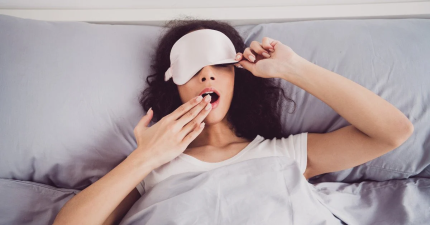
When persistent drowsiness requires special attention
The NHLBI indicates that problematic daytime sleepiness can manifest as a desire to doze off while reading, watching TV, talking, driving, or even being in traffic.
A persistent feeling of unrefreshing sleep should be evaluated in more detail if it:
lasts several weeks;
noticeably interferes with work or studies;
accompanied by severe snoring or respiratory arrest;
combined with morning headaches;
leads to involuntary falling asleep during the day;
is accompanied by unexplained weakness, shortness of breath, significant weight changes, or other new symptoms.
Drowsiness while driving is especially dangerous. Sleep disorders reduce concentration and reaction time, and the NHLBI directly links insufficient or poor-quality sleep to an increased risk of traffic and industrial accidents.
Conclusion
If you regularly don't feel rested after eight hours of sleep, the problem may not be the number of hours. Your sleep may be intermittent, out of sync with your biological rhythm, or disrupted by sleep apnea, insomnia, alcohol, restless legs syndrome, or other factors.
At the same time, "I don't get enough sleep" sometimes means not drowsiness, but chronic fatigue, the causes of which may not be related to sleep at all.
The most informative guide is not the number on the clock, but the combination of the duration, quality, and regularity of sleep with how alert a person feels during the day.
FAQ
Why do I sleep 8 hours and still want to sleep?
The cause may be frequent awakenings, sleep apnea, insufficient actual sleep duration, disrupted circadian rhythm, alcohol, certain medications, or an individual's greater need for sleep. Persistent daytime sleepiness may also be a sign of a sleep disorder.
Is it normal to wake up tired after 8–9 hours of sleep?
This can happen once in a while after stress, unusual exertion, alcohol, or previous sleep deprivation. If non-restorative sleep becomes regular over several weeks, it is worth looking for the cause.
How do I know if I have sleep apnea?
Typical symptoms include loud snoring, noticeable pauses in breathing, gasping for air during sleep, daytime sleepiness, morning headaches, and dry mouth. A sleep study may be needed to make a diagnosis.
Why do I feel even more tired after a long sleep?
Staying in bed for a long time does not guarantee uninterrupted quality sleep. The reason may be numerous night awakenings, a disrupted routine, a sleep disorder, or a condition that manifests itself as fatigue regardless of the amount of rest.
How to distinguish fatigue from drowsiness?
With drowsiness, a person feels like they could fall asleep. With fatigue, weakness, lack of energy, and motivation predominate, but there may be no desire to sleep. Distinguishing between these states helps to more accurately search for the cause.
Can alcohol cause poor sleep?
Yes. Alcohol can help you fall asleep faster, but it also alters your normal sleep pattern and reduces REM sleep. The severity of the effects increases with increasing dose.
Can coffee during the day affect sleep at night?
Yes. Sensitivity to caffeine varies, but consuming it in the afternoon or evening can interfere with sleep. If you have problems, the CDC recommends avoiding caffeine during these times.
Will melatonin help if I constantly don't get enough sleep?
Melatonin is not a universal remedy for morning fatigue. Its use depends on the cause of the sleep problems, and in the case of apnea, anemia, thyroid disorders, or many other conditions, it does not eliminate the underlying cause.
Is it possible to "sleep in" on the weekend?
A longer sleep after several short nights can partially reduce the feeling of sleep deprivation, but persistently large differences between weekdays and weekends can further disrupt the stability of the sleep-wake cycle. For regular recovery, it is more important to get enough sleep throughout the week.

