

After lunch, there are still a few important things to do, but it’s becoming increasingly difficult to focus on work. Eyes get tired, thoughts slow down, and another cup of coffee seems like the only way to get through the evening. Does this sound familiar? Most people experience afternoon drowsiness at least occasionally. Tiredness in the afternoon is not always related to food or a lack of willpower. Between about 2:00 p.m. and 5:00 p.m., the body naturally experiences a decline in alertness due to the peculiarities of daily biological rhythms. A large lunch, lack of sleep, inactivity, and prolonged mental work can all exacerbate this effect.
In medicine, drowsiness after eating is called postprandial somnolence . It is usually temporary and does not indicate a disease. However, if you experience severe exhaustion after every meal or if you regularly fall asleep during the day despite getting enough sleep at night, it is worth checking with your doctor.
Scientific studies confirm that short walks, daylight, well-organized breaks, and short naps can help maintain alertness. At the same time, no quick fix can fully compensate for chronic sleep deprivation.
We'll look at nine practical methods that can help relieve afternoon fatigue, as well as explain why it occurs, how nutrition affects well-being, and when drowsiness is a reason for a medical examination.
Why do I feel sleepy and lethargic after dinner?
The desire to take a nap after eating is often explained by the fact that the body spends all its energy on digestion.
In reality, the mechanism is more complex.
According to the Cleveland Clinic, afternoon sleepiness may be related to the digestive system's response to food, changes in nutrient concentrations in the blood, and the work of neural mechanisms that regulate wakefulness.
The biological clock also plays an important role.
Natural decline in vigor after noon
The level of sleepiness does not remain the same throughout the day.
Internal circadian rhythms help determine when the body is most ready for activity and when it needs rest.
The US National Institute for Occupational Safety and Health (NIOSH), part of the CDC, identifies the period from approximately 2:00 p.m. to 5:00 p.m. as one of the periods of increased susceptibility to fatigue.
This means that the desire to sleep may arise even without a heavy lunch.
At the same time, the timing and severity of this decline vary depending on sleep patterns, individual chronotype, and work schedule.
How food affects sleepiness
After a large portion of food, the body's digestion and absorption of nutrients are activated.
Drowsiness may become more noticeable after very high-calorie meals, especially when combined with insufficient sleep.
According to the Cleveland Clinic, postprandial drowsiness can occur anywhere from 30 minutes to four hours after eating, and is most common within the first hour or two.
However, the claim that after dinner, blood “drains from the brain to the stomach,” which is why a person falls asleep, is an oversimplification. The body maintains blood supply to the brain through complex regulatory mechanisms.
Lack of sleep increases fatigue
If you sleep less than you need for several nights, a sleep deficit accumulates.
According to the recommendations of the US National Heart, Lung, and Blood Institute (NHLBI), most adults need approximately 7–9 hours of sleep per night.
Even if a person feels refreshed in the morning after a short night, the lack of sleep may be more pronounced in the afternoon.
Therefore, fighting only afternoon drowsiness without changing your nighttime routine is often not enough.
1. Take a 10–15 minute walk after eating
One of the easiest ways to reduce feelings of lethargy is to get up from your desk for a short while and walk around.
To do this, it is not necessary to play sports or go for a long walk.
You can walk a few blocks, go around the building, or just move along the corridor.
Why walking after dinner can be beneficial
Short physical activity breaks up prolonged sitting and helps change the nature of the load.
NIOSH recommends short periods of movement as one way to increase alertness during the workday.
Additionally, walking after eating may have a positive effect on short-term changes in blood glucose levels.
In a systematic review and meta-analysis published in the journal Sports Medicine in 2023, researchers analyzed eight randomized crossover studies involving 116 people.
The results showed that physical activity after a meal was more effective in reducing afternoon glucose spikes than the same activity before a meal or no movement.
However, the study primarily assessed glucose levels, not directly the feeling of alertness, so it cannot be said that a walk is guaranteed to eliminate drowsiness in everyone.
Practical advice: if you work in an office, try taking a leisurely 10-15 minute walk after lunch instead of immediately returning to your computer.
If you have diabetes or other diseases, the intensity and duration of activity should be coordinated with your doctor.
2. Use daylight to stay alert
Lighting affects more than just the ability to see surrounding objects.
Light is an important signal for the nervous system, which regulates circadian rhythms and wakefulness levels.
Therefore, working in a poorly lit room can make it even more difficult to concentrate, especially if a person has not had enough sleep.
Why natural light can help
NIOSH notes that bright light can directly affect alertness levels.
If you work in a dimly lit office after lunch, try going out into the daylight or moving to a better-lit area.
Even on a cloudy day, it is usually brighter outside than in most indoor spaces.
However, exposure to the sun is not a universal cure for fatigue.
You also don't need to look directly at the sun or use special powerful light devices without proper instructions.
For many people, a short walk during the day is enough.

3. Change the composition of your lunch so that you don't feel sleepy after it.
Not only the amount of food is important, but also what foods make up the lunch.
For example, a large serving of white rice with a fatty sauce and a sweet drink is significantly different in nutritional composition from a dish of vegetables, grains, and a protein source.
Some studies link higher-calorie meals to more pronounced afternoon sleepiness.
At the same time, there is no single product that necessarily causes fatigue in all people.
What's the best thing to eat for lunch to stay energized?
For everyday meals, you can focus on a balanced plate.
Approximately half of its volume can be vegetables, a quarter - a source of protein, and another quarter - cereals or another side dish.
For example:
| Lunch option | What is useful? |
| Buckwheat, chicken, vegetable salad | A combination of protein, carbohydrates, and fiber |
| Fish, potatoes, broccoli | Protein and various nutrients |
| Lentils with vegetables and whole grain bread | Vegetable protein and dietary fiber |
| Bulgur with chickpeas and herbs | A combination of complex carbohydrates and protein |
| Vegetable soup with beans | Easy-to-digest option with fiber |
It is important to consider portion size and individual tolerance of foods.
You don't need to completely give up carbohydrates or force yourself to eat very little.
An overly restrictive diet can also impair well-being and performance.
4. Drink water if you haven't had it in a while
Sometimes the feeling of fatigue is exacerbated by insufficient fluid intake.
Dehydration can cause headaches, dry mouth, dizziness, and a feeling of weakness.
This is especially true in the heat, after physical exertion, or in situations when a person hardly drinks during the day.
However, you should not assume that every case of afternoon drowsiness is caused by dehydration.
Does a glass of cold water help you perk up quickly?
If you are truly thirsty or haven't drunk in a while, water will help maintain normal hydration.
A cool drink can also be subjectively refreshing.
But there is no convincing evidence to suggest that cold water provides a significant and long-lasting boost of energy.
There is no need to force yourself to drink large volumes of fluid in a short time.
Water needs depend on temperature, physical activity, nutrition, and health status.
For people with certain heart and kidney conditions, a doctor may recommend individual fluid restrictions.
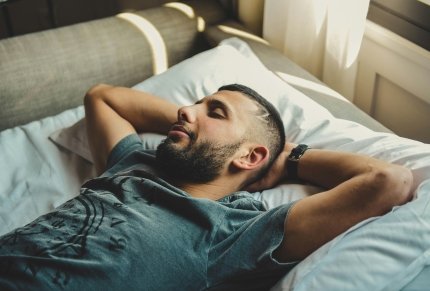
5. Try a short daytime nap of 15–20 minutes
If you feel very sleepy in the afternoon, the most obvious way to reduce sleepiness is to take a short nap.
This does not necessarily indicate laziness or poor time management.
A short nap can help restore alertness and improve attention.
What the research says about daytime sleep
NIOSH notes that a short nap of about 15–20 minutes can increase alertness for the following hours.
However, the effect depends on how tired a person is, whether they have a night's sleep deficit, and what time they rest.
If you sleep longer, you are more likely to wake up during the deep stages of sleep.
As a result, so-called sleep inertia may occur - a temporary feeling of inhibition, deterioration of attention and reaction speed after awakening.
In some people, it persists for tens of minutes.
How to properly organize a short vacation
If conditions allow, you can set an alarm for about 15–20 minutes.
It is advisable to choose a quiet place with a comfortable temperature.
If you didn't fall asleep but rested peacefully, it wasn't necessarily a wasted break. However, the effects of simple relaxation and actual sleep can differ.
You shouldn't plan a long nap late at night if it prevents you from falling asleep at night.
Also, after waking up, you need to make sure that drowsiness has passed before getting behind the wheel or performing dangerous work.
6. Use caffeine wisely, don't use it as a sleep substitute
Coffee, black and green tea contain caffeine, a central nervous system stimulant.
It temporarily reduces feelings of drowsiness by blocking the action of adenosine, a substance associated with the accumulation of the need for sleep.
Therefore, a cup of coffee can really help you feel more energetic.
However, its effect is temporary.
Why coffee after dinner sometimes makes things worse
Caffeine can remain active for many hours.
If you regularly drink coffee late in the afternoon, it can worsen your sleep at night.
The next day, the person will feel sleepy again and will try to compensate for it with another dose of caffeine.
This creates an unwanted circle.
NIOSH recommends avoiding caffeine at least five hours before bedtime, and even earlier for people with high sensitivity.
According to the U.S. Food and Drug Administration (FDA), for most healthy adults, daily consumption of up to 400 mg of caffeine is not usually associated with dangerous effects.
But this is not a recommended amount to consume, nor is it a universal safe limit for everyone.
During pregnancy, if you have certain diseases or are taking certain medications, the permissible caffeine intake may be lower.
Practical advice: if you need to fall asleep around 10:30 PM, don't make evening coffee your main way to combat afternoon fatigue.
7. Take breaks from work before you feel exhausted.
Prolonged concentration on one task can cause feelings of mental fatigue.
This is especially noticeable when working with large amounts of information, documents, or repetitive operations.
NIOSH includes the duration of continuous work as a factor that can increase fatigue.
Therefore, sometimes it is more useful to take a short break than to try to work non-stop.

How to organize breaks without losing productivity
Try changing activities briefly after a period of focused work.
For example, you can stand up, walk around, look out the window, or perform a few simple movements.
It is important that the break is truly different from the main work.
If you've been reading documents on a screen for several hours, switching to social media won't necessarily provide the necessary rest for your eyes and attention.
The duration and frequency of breaks depend on the nature of the tasks.
There is no one-size-fits-all schedule that guarantees maximum productivity for every person.
8. Schedule your most difficult tasks for hours of best concentration
For many people, productivity varies throughout the day.
This is normal, as the level of alertness depends on circadian rhythms, the amount of sleep, and the duration of the previous work.
If you regularly find it difficult to analyze complex documents after 3 p.m., it might be worth reviewing your work schedule.
What tasks are best left for the afternoon?
If the nature of your work allows, the most complex analytical tasks can be performed during the hours when your concentration is best.
After lunch, it is sometimes more convenient to do less intensive tasks that do not require prolonged attention.
For example, organizing documents, checking completed tasks, or holding regular work meetings.
However, this does not mean that the second half of the day is always unproductive.
People differ in chronotype, habits, and schedules.
It's best to observe your own performance for a few days, rather than adjusting to a conventional ideal schedule.
9. Check the quality of your night's sleep, not just its duration
You can spend eight hours in bed and still wake up tired.
The cause is sometimes a disruption in sleep quality.
For example, frequent awakenings, snoring with episodes of respiratory arrest, or an irregular schedule can affect daytime well-being.

How to improve your sleep for more consistent energy during the day
The most important recommendations include:
go to bed and wake up at about the same time;
ensure darkness, silence and a comfortable temperature in the bedroom;
do not consume large amounts of caffeine in the evening;
limit alcohol before bedtime;
move regularly throughout the day;
pay attention to the morning daylight.
However, independent correction of the regime does not always solve the problem.
If you constantly wake up feeling sleepy, snore loudly, or experience severe daytime sleepiness, you should see a doctor to rule out sleep disorders.
How to quickly cheer up in 15 minutes: a practical plan
If you feel sluggish in the middle of the workday, you can use a simple plan.
It does not require special equipment and is suitable for many office workers.
| Time | Action | For what? |
| 0–2 minutes | Get up, assess your well-being, drink water as needed | Break prolonged sitting |
| 2–10 minutes | Take a leisurely walk, preferably in daylight | Add motion and change the environment |
| 10–12 minutes | Return to the workplace, take a short break | Switch attention |
| 12–15 minutes | Choose one specific task | Facilitate return to work |
This is an example of a break arrangement, not a clinically proven protocol.
If the cause of drowsiness is a significant sleep deficit or illness, such a break may not provide noticeable improvement.
There is no need to try at all costs to regain your working capacity in 15 minutes if you really feel bad.

Why do you sometimes want to sleep even more after a sweet lunch?
Sweets and foods high in quickly available carbohydrates can cause a relatively rapid increase in blood glucose levels.
However, the body's reaction depends on the composition of the entire dish, its quantity, and individual metabolic characteristics.
It cannot be said that all healthy people have a sharp drop in blood sugar at 3:00 PM.
Also, normal drowsiness after dessert does not automatically mean the development of hypoglycemia.
How is normal fatigue different from hypoglycemia?
Hypoglycemia is a pathological decrease in blood glucose levels.
It may be accompanied by tremors, sweating, severe hunger, palpitations, dizziness, or confusion.
People with diabetes who take insulin or certain blood sugar-lowering medications are at particular risk.
If these symptoms occur, it is important to follow your individual medical plan, including testing your glucose levels when possible.
You should not try to treat true hypoglycemia with a walk or coffee.
Severe symptoms require emergency care.

What's the best thing to eat for a snack if you're feeling low in the afternoon?
Not every afternoon fatigue means that the body needs extra food.
If you are not hungry, a snack is not necessary.
However, when hunger is combined with decreased attention, you can choose a small, nutritious portion.
For example:
natural yogurt with berries;
an apple and a small amount of nuts;
whole grain toast with hummus;
cheese with vegetables;
fruit and dairy product.
It is important to consider the overall diet, and not look for a product that is guaranteed to "charge you with energy."
Energy bars and sugary drinks are not necessarily healthier than regular food just because of marketing promises.
Why you may feel dizzy after dinner
Sometimes a person describes afternoon fatigue when in fact they feel dizzy, weak, or faint.
This is important to distinguish.
Some people, especially older people, may experience postprandial hypotension — a drop in blood pressure — after eating.
Symptoms can include dizziness, weakness, and even fainting.
This condition should not be explained by ordinary drowsiness after a large meal.
If symptoms persist, you should consult a doctor.
Afternoon weakness may also be due to insufficient food intake, side effects of medications, or other diseases.
When constant fatigue may indicate health problems
If afternoon drowsiness occurs occasionally, goes away after rest, and does not significantly affect life, it often does not require treatment.
But regular severe exhaustion should not be considered the norm.
The UK's National Health Service (NHS) notes that prolonged fatigue can be linked to sleep disorders, anemia, diabetes, thyroid disease, depression and other conditions.
What symptoms should you pay attention to?
Medical advice is especially important if fatigue is accompanied by:
heavy snoring and breathing stops during sleep;
unexplained weight loss;
constant thirst and frequent urination;
pallor, shortness of breath, or palpitations;
prolonged depressed mood;
severe dizziness after eating;
regular episodes of falling asleep during the day;
deterioration of memory and performance.
If necessary, your doctor may recommend blood tests, glucose level assessments, thyroid function tests, or sleep studies.
You don't need to self-prescribe tests for all possible deficiencies.
Specific tests are determined based on symptoms and medical history.
What not to do to get rid of afternoon fatigue
Some popular ways to get a quick boost can cause more problems than good.
Drinking several energy drinks in a row. High doses of caffeine can cause heart palpitations, anxiety, and sleep disturbances.
Push yourself to exercise despite feeling dizzy. If your weakness is related to a medical problem, the extra effort can be dangerous.
Skipping lunch completely. This does not guarantee that you will stay energetic and may lead to extreme hunger later on.
Compensate for sleep deprivation with coffee only. Caffeine temporarily masks drowsiness, but does not restore body functions in the same way as a full night's sleep.
Take vitamins and supplements at random. Iron, vitamin B12, and other substances are needed for appropriate indications. Excessive intake of certain supplements can be harmful.
Continue driving when you fall asleep. Drowsiness impairs your reaction time and creates the risk of an accident.
How to prevent afternoon energy slump
The best approach is not to constantly look for a way to urgently cheer up, but to reduce the factors that increase fatigue.
To do this, it is useful to evaluate your sleep patterns, diet, and work schedule over the course of several days.
For example, you may notice that afternoon drowsiness is especially severe on days when you went to bed after midnight or skipped breakfast.
Another person may find that they feel better after a smaller lunch and a short walk.
There is no universal scheme.
What can you change this week?
Start with a few realistic actions:
Establish a consistent wake-up time.
Try to ensure sufficient sleep at night.
Plan a balanced lunch.
Add short breaks to your movement.
If possible, spend part of the day in natural light.
Don't use caffeine too close to bedtime.
If fatigue is persistent or unusually severe, see a doctor.
You don't have to implement everything at once. It's better to evaluate which habit really affects your well-being.
Conclusion
Afternoon fatigue is a common phenomenon associated with natural biological rhythms, dietary habits, sleep patterns, and workload.
In many cases, a short walk, daylight, a break from work, or a short nap can help you feel more alert.
However, you should not consider such methods as a replacement for a full night's rest.
If severe drowsiness recurs daily, occurs regardless of food intake, or is accompanied by other symptoms, it is necessary to find out its cause.
The main goal is not to force yourself to remain productive at any cost, but to organize your day so that the workload corresponds to the body's real capabilities.
FAQ: Frequently Asked Questions About Fatigue and Sleepiness After Lunch
Why do I always want to sleep after dinner?
This may be due to a combination of the natural afternoon slump and the body's response to food. Large portions, lack of sleep, and lack of exercise can all contribute to drowsiness. If it is very severe or regularly interferes with daily life, it is worth consulting a doctor.
Why do I feel sleepy after eating, even if I had a good night's sleep?
Afternoon drowsiness is part of normal circadian rhythms and can occur regardless of sleep deprivation. The amount and composition of food also affect well-being. But if drowsiness is excessive, other causes should be ruled out.
How to quickly cheer up after dinner?
You can try taking a short walk, getting some sunlight, or taking a break from your sedentary work. If possible, taking a short nap of 15–20 minutes can also help to restore your energy. The effectiveness depends on the cause of your fatigue.
Is it normal to want to sleep at 3:00 PM?
Yes, a moderate decrease in alertness between approximately 2:00 PM and 5:00 PM may be related to natural circadian rhythms. However, severe drowsiness that causes a person to fall asleep involuntarily or is unable to perform usual tasks requires attention.
What foods are best to eat to avoid drowsiness after dinner?
It is advisable to choose moderate portions of a balanced meal with vegetables, a source of protein and whole grains. For example, fish with buckwheat and salad or lentils with vegetables. A single product cannot be guaranteed to prevent afternoon fatigue.
Does coffee help with afternoon drowsiness?
Caffeine can temporarily increase alertness. However, drinking coffee late at night can disrupt your sleep and make you feel more tired the next day. Individual sensitivity and health conditions should be considered.
How much sleep do you need during the day to regain strength?
For many people, a short nap of about 15–20 minutes can improve alertness. Longer naps can sometimes cause drowsiness upon awakening. A daytime nap is no substitute for adequate sleep at night.
Can drowsiness after eating be a sign of diabetes?
Sleepiness after dinner alone is not evidence of diabetes. However, if it recurs along with excessive thirst, frequent urination, unexplained weight loss, or other symptoms, medical evaluation is warranted.
Why do I want to sleep after eating sweets?
Sweet foods can affect short-term changes in glucose levels, but afternoon drowsiness has a more complex mechanism. It cannot be automatically explained by a sharp drop in sugar. Hypoglycemia should be ruled out if there is trembling, sweating, palpitations, or confusion.
When does persistent fatigue require examination?
If fatigue lasts for several weeks, gets worse, or interferes with your daily life, you should see a doctor. This is especially important if you have snoring with breathing stops, shortness of breath, palpitations, unexplained weight loss, or other worrisome symptoms.
Important: The article is for informational purposes only and is not a substitute for professional medical advice. Self-medication, self-administration of stimulants, vitamins, iron supplements, or other anti-fatigue medications can be harmful to your health. Before treating persistent drowsiness or unexplained weakness, be sure to consult a doctor. If you experience severe chest pain, difficulty breathing, fainting, impaired consciousness, or other dangerous symptoms, immediate medical attention is required.

