

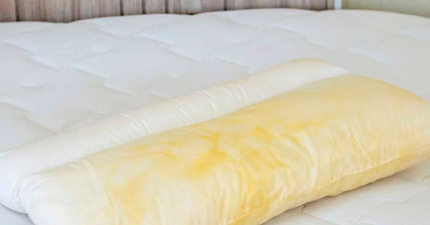
Yellow stains on pillowcases don't just happen because of sweat. While you sleep, sebum, creams, SPF, serums, hair oils, conditioners, styling products, saliva, dust, and skin particles accumulate on the fabric. At first, it may be almost imperceptible, but over time, it oxidizes, penetrates deeper into the fibers, and gives it a yellow or grayish tint.
A regular quick wash won't always remove these stains, as oily stains require pre-treatment. If you throw the pillowcase in the washing machine right away, add too much detergent, and dry on high heat, the stain can set in even more. The American Cleaning Institute recommends treating stains before washing, not rubbing them aggressively, not drying the item if the stain is still there, and washing the item thoroughly after treatment to remove any detergent residue.
The best tactic depends on the fabric. White cotton can handle a warmer wash and oxygen bleach. Silk, delicate satin, rayon, or colorfully printed pillowcases require a much gentler approach. So check the label, fabric composition, and temperature rating before any treatment.
Why do pillowcases turn yellow?
Pillowcases come into contact with your skin and hair for hours each day. Even if you go to bed after a shower, the fabric gradually accumulates natural oils, sweat, and makeup residue. The Sleep Foundation explains that white sheets and pillowcases can yellow over time due to contact with skin oils and sweat, and lotions and cosmetics can also noticeably change the color of the fabric.
Jaundice is often exacerbated by three household mistakes.
The first is washing clothes too cold and too briefly without pre-soaking. This mode can refresh the fabric, but it doesn't always dissolve the grease.
The second is excess detergent or conditioner. If the detergent is not rinsed well, it leaves a film to which dirt sticks more easily.
The third is to dry in a dryer or on a radiator until the stain is completely removed. Heat can set the stain, making it more difficult to remove.
What stains are on pillowcases?
Yellow marks look similar, but have different origins. The method of cleaning depends on this.
Oily skin and hair stains usually appear in the center of the pillowcase or on the side that the person sleeps on most. They may be yellow, gray, or slightly darker than the fabric.
Makeup stains are often more localized. Foundation, SPF cream, night creams with oils, self-tanner, or hair dye can leave yellow, orange, brown, or grayish marks.
Sweat stains can appear as patchy yellowing. They appear especially quickly in the summer, with night sweats, or if a person sleeps on a dense synthetic pillow.
Gray stains are often associated with detergent residue, hard water, an overloaded washing machine, or washing with dark items.
What to do before washing
Before you start removing stains, don't rush to pour bleach on your pillowcase. First, you need to understand what kind of fabric you're dealing with.
Check:
fabric composition: cotton, linen, silk, satin, polyester, viscose;
maximum washing temperature;
is bleach allowed;
can it be washed in a machine;
Is drying in a dryer allowed?
whether there is a colored edging, print, embroidery or decorative elements.
The FTC explains that the care label must include instructions that can be used throughout the product's lifespan, including washing and drying methods, and warnings about procedures that may damage the fabric.
If there is no label, proceed with caution: start with cool or warm water, liquid detergent, a short soak, and test on an inconspicuous area.
How to remove yellow stains from white cotton pillowcases
White cotton is the easiest option to clean because it usually tolerates soaking, warm water, and oxygen-based products better. But even with cotton, you shouldn't start with chlorine bleach.
Procedure:
Wet the pillowcase with warm water.
Apply liquid detergent or stain pre-treatment to the yellow areas.
Leave for 15–30 minutes.
Lightly rub the fabric with your hands, do not rub with a brush until the fibers are damaged.
Soak the pillowcase in water with oxygen bleach according to the instructions on the package.
Wash on the warmest setting allowed by the label.
Check the stain before drying.
If the mark remains, repeat the treatment, but do not dry the item with hot air.
ACI notes that liquid detergents are especially effective on greasy and oily stains, while pre-treatments work well on stains from body oils, cosmetics, and other oily substances.
When to use oxygen bleach
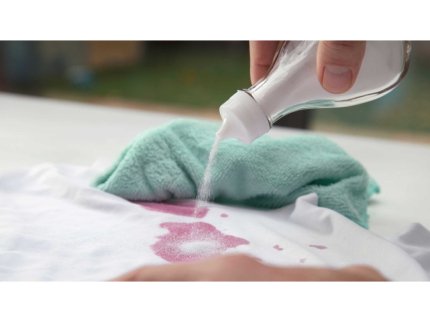
Oxygen bleach is one of the best options for white pillowcases with yellow stains. It helps deal with organic stains, gray stains, and overall dullness of the fabric. It is often used for soaking, not just as an additive to the main wash.
ACI, in its recommendations for laundry problems, indicates that for yellowing due to the accumulation of bodily dirt, the item can be treated with a pre-wash agent or soaked in a concentrated solution of liquid detergent, as well as using oxygen bleach.
It is important to follow the manufacturer’s instructions. Do not make the solution “stronger” by eye: this does not always improve the result, but can damage the fabric or leave a residue. For delicate fabrics, use oxygen bleach only when the label allows it.
Why chlorine bleach doesn't always help
Chlorine bleach can be effective at disinfecting and brightening some white fabrics, but it is not a universal remedy for yellow stains. On fabrics with elastane, delicate materials, or if used incorrectly, it can damage fibers, cause uneven color, or worsen the problem.
The ACI explains that chlorine bleach helps remove stains, disinfects, removes color, and whitens fabrics, but it should be used as directed, in a well-ventilated area, with gloves, and away from skin and eyes. If chlorine bleach is not recommended for the fabric, you can use a color-safe oxygen bleach.
The CDC also emphasizes that for disinfection, you should use regular, unscented household bleach with 5–9% sodium hypochlorite and follow the instructions on the label.
Do not mix chlorine bleach with vinegar, ammonia, or other products. ACI specifically warns that mixing chlorine bleach and ammonia creates dangerous fumes.
How to wash silk pillowcases
Silk requires the most delicate care. It cannot be treated in the same way as cotton. Hot water, enzymatic agents, vigorous rubbing, wringing, oxygen or chlorine bleach can damage the fibers, alter the shine and leave stains.
For silk, it is better to proceed as follows:
Check the label.
Use cool water.
Add a small amount of detergent for silk or delicate fabrics.
Soak briefly—about 5–10 minutes.
Do not rub the stain with a brush.
Rinse carefully.
Do not wring the fabric.
Dry horizontally or on a towel, out of direct sunlight.
If the silk pillowcase is expensive or the stain is old, it is better to seek professional cleaning. In the case of silk, prevention works better than aggressive stain removal: change the pillowcase more often, cleanse the skin before bed, and minimize oily hair products at night.
How to remove stains from colored pillowcases
Colored pillowcases should not be bleached as white ones. Even oxygen bleach can affect unstable dyes if the fabric is not designed for such treatment.
Safer cleaning algorithm:
test the product on an inner seam or an inconspicuous corner;
use a liquid detergent for colored fabrics;
treat only the contaminated area;
do not rub vigorously;
wash in water at the temperature allowed by the label;
dry without direct sunlight;
do not use chlorine bleach.
If the stain is old, it is better to repeat the gentle treatment several times than to apply an aggressive agent once and ruin the color.
Do baking soda, vinegar, and hydrogen peroxide help?
Home remedies can help somewhat, but they should be used with caution. Baking soda can work as a mild odor and stain remover, but it doesn't always remove grease stains on its own. Vinegar can sometimes help remove detergent residue, but it shouldn't be mixed with chlorine bleach.
Hydrogen peroxide can lighten some stains, but it can also affect dyes. For white cotton, it is sometimes used in a spot test, but for colored fabrics, silk, or delicate satin, it is best to do a test first.
Don't make "cocktails" of several products at once. Many home recipes from the Internet do not take into account the composition of the fabric, the type of dye, and the safety of mixing substances. It is safer to use one product at a time and follow the instructions.
Why did the stain become even more noticeable after washing?
This happens often. There could be several reasons.
The stain could have been greasy, and washing without pre-treatment did not dissolve the grease. After drying, the stain became fixed.
There may have been too much detergent. The excess detergent left a residue that turned the fabric gray or yellowish.
Fabric softener may have formed a film on the fibers. It makes the fabric softer to the touch, but it can trap greasy stains.
The washing machine may have been overloaded. The pillowcases didn't have enough room to move, so the detergent and water didn't work evenly through the fabric.
ACI reminds: too much or too little detergent can leave items less clean than the optimal dosage.
How often to wash pillowcases
Pillowcases should be washed more often than you might think. They come into direct contact with your face and hair, so they are more likely to accumulate oil, sweat, makeup, and skin particles. The Sleep Foundation recommends washing pillowcases about once a week, and bed linens more often in the summer, if you have allergies, asthma, or if you have pets sleeping in the bed.
If you have oily skin, night sweats, acne, long hair, or frequent use of styling products or night creams, it’s best to change your pillowcase every 2–4 days. This reduces dirt buildup and makes washing easier.
The American Academy of Dermatology explains that oils from hair products can get on your skin, clog pores, and contribute to breakouts; it also recommends washing items that your head has touched, including pillowcases and sheets.
How to prevent yellow spots
Prevention is easier than removing old yellowness. Especially if the pillowcases are white, expensive, or made of delicate fabric.
What helps:
wash off makeup and SPF before bed;
do not apply a lot of oily products immediately before bedtime;
let the cream or oil absorb;
do not go to bed with wet hair;
change your pillowcase weekly or more often;
use a protective pillow cover;
wash pillowcases separately from very dirty items;
do not overload the drum;
do not overuse fabric softener;
periodically wash the pillow itself, if allowed by the manufacturer.
The Cleveland Clinic recommends washing your bedding at least once a week, removing dirt, makeup, and hair products before bed, and not going to bed with wet hair, as moisture creates a favorable environment for bacteria on your pillow.
What to do if not only the pillowcase but also the pillow has turned yellow
If the yellow stains have penetrated the pillowcase, the stain has already penetrated the pillow itself. In this case, the pillowcase can be washed, but the odor or stains may return through the pillow.
First, check the pillow label. Some pillows are machine washable, while others are air-dried or spot-cleaned. Down, latex, orthopedic, and memory foam pillows have different requirements.
The Sleep Foundation notes that hair and facial oils, sweat, saliva, and other contaminants can seep through the pillowcase and accumulate in the pillow, causing yellow stains; washing pillowcases and pillows regularly, if allowed, helps reduce the buildup.
For prevention, use not only a pillowcase, but also a protective zippered cover. It is easier to wash and protects the filler better.
What not to do
Don't boil pillowcases without checking the label. Hot water can damage the fabric, shrink the product, or set some stains.
Do not mix bleach with vinegar, ammonia, or other products. This is dangerous.
Do not use chlorine bleach on silk, wool, colored fabrics, and fabrics with elastane.
Do not dry the pillowcase in the dryer if the stain remains.
Do not rub the fabric with a stiff brush. You may end up with a light scuff instead of a stain.
Do not add a double dose of powder. Excess product often creates new plaque.
Don't put off washing for months. Old, oxidized stains are always more difficult.
Conclusion
Yellow stains on pillowcases appear due to the accumulation of sweat, sebum, cosmetics, hair products, saliva and detergent residues. To remove them, it is important not to rush into aggressive bleaching, but to act according to the fabric: cotton can be soaked with liquid detergent and oxygen bleach, silk needs cool water and a delicate detergent, colored pillowcases - a dye fastness test.
The following sequence works best: pre-treat, soak, wash on the hottest setting allowed, check the stain before drying, and repeat treatment if necessary. And to prevent yellowness from returning, change pillowcases regularly, wash off makeup before bed, don't go to bed with wet hair, and don't overload the washing machine.
FAQ
Why do yellow spots appear on pillowcases?
Most often due to sweat, sebum, saliva, remnants of creams, SPF, cosmetics and hair products. These impurities accumulate in the fibers, oxidize and gradually give a yellow tint.
How to quickly remove yellow stains from a white pillowcase?
Wet the fabric, treat the stain with liquid detergent or pre-treatment, leave for 15–30 minutes, then soak with oxygen bleach according to instructions and wash on the cycle allowed by the label.
Can I use chlorine bleach?
Only use on fabrics that are allowed to do so, and follow the instructions carefully. For many pillowcases, oxygen bleach is a safer first choice. Chlorine bleach should not be mixed with ammonia, vinegar, or other products.
Does baking soda help with yellow stains?
Baking soda can help with stains and odors, but oily stains from skin and hair often require a liquid detergent, pre-treatment, or oxygen bleach. Baking soda alone may be too weak for older stains.
Can silk pillowcases be washed with oxygen bleach?
Silk generally doesn't like harsh bleaching, hot water, and enzyme products. Follow the label. A safer option is cool water, silk detergent, a short soak without rubbing, and air drying.
Why do stains not disappear after washing?
This could be due to grease, an old stain, too much detergent, fabric softener, an overloaded drum, or drying until the stain is completely removed. ACI advises treating stains before drying, as heat can set the stain.
How often should you wash pillowcases?
Typically once a week. More often if you sweat a lot, have oily skin, acne, allergies, use a lot of hair products, or sleep with pets. The Sleep Foundation recommends washing your pillowcases about once a week.
Do I need to wash the pillow itself?
Yes, if the manufacturer allows it. Sweat, oil, and saliva can seep through the pillowcase and accumulate in the pillow. Be sure to check the label before washing, as down, latex, synthetics, and memory foam have different care instructions.
How to prevent pillowcases from turning yellow?
Wash off makeup and hair products before bed, change your pillowcase weekly or more often, don't go to bed with wet hair, use a pillowcase, and don't add too much detergent.
Can I dry the pillowcase if the stain remains?
Better not. Hot drying can set the stain. First repeat the pre-treatment or soaking, wash again, and only then dry.

