
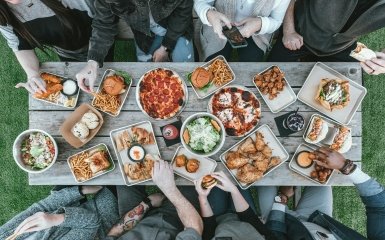
Vacations often change everything at once: sleep patterns, exercise, meal times, access to desserts, alcohol, and buffets. As a result, people often return from vacation feeling guilty or afraid of the scale.
But rest shouldn't be an extension of dieting. The goal isn't to control every bite, but to eat with pleasure while maintaining the basic guidelines: regularity, protein, fiber, water, moderation, and exercise.
Points of attention
- During your vacation, it is important to stick to regular meals and water intake, not to limit yourself, but to maintain a balanced diet.
- It is necessary to avoid stress, lack of sleep, and overeating caused by changes in lifestyle while on vacation.
- When traveling, it is important to choose balanced meals, not starve until the evening, and monitor your water intake.
- Alcohol can affect appetite and weight, so it's important to drink it with caution and alternate it with water.
- Movement during vacation does not necessarily have to be sports, it is important to move naturally, choosing active forms of recreation.
Why does weight change during rest?
An increase in the number on the scale after a few days of vacation does not always mean that a person has gained fat. Weight can fluctuate for many reasons:
more salty foods, sauces, snacks and restaurant meals;
more carbohydrates, which can temporarily retain water;
alcohol, which affects sleep, appetite and water balance;
a flight or a long journey, after which swelling often occurs;
less sleep or a shifted schedule;
less than usual activity or, conversely, unusual workload;
hormonal fluctuations, particularly the phases of the menstrual cycle;
irregular eating: long breaks during the day and a large dinner in the evening.
Therefore, you should not draw conclusions based on one morning weigh-in after a road trip, dinner at a restaurant, or salty food. For many people, some of this weight comes off after returning to a normal sleep, water, and food routine.
The main principle: not prohibitions, but predictability
Strict restrictions on vacation often work against you. If you "hold back" all day, skip meals, and only think about what you can't eat, the risk of overeating in the evening may increase.
A more sustainable strategy is predictability. This means:
not to skip all meals for the sake of a big dinner;
have at least an approximate regime;
add protein to main meals;
not to stay too hungry before the buffet;
Plan dessert or a local dish as a normal part of your vacation, not as a "disruption."
This approach helps maintain a sense of freedom and doesn't turn vacation eating into a struggle.
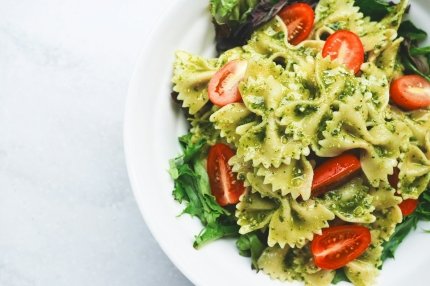
How to pack a plate for breakfast, lunch and dinner
One of the easiest ways to avoid overeating without counting calories is to focus on a balanced plate. It doesn't have to be perfect, but it's a good idea to have the following at most meals:
protein source: eggs, fish, poultry, meat, dairy products, legumes, tofu;
vegetables or fruits: fresh, baked, stewed, salad without excess fatty sauce;
carbohydrates: cereals, potatoes, whole grain bread, pasta, rice, fruits;
Fats: olive oil, nuts, avocados, seeds, fatty fish - in moderation.
Protein and fiber help you feel fuller for longer. This doesn't guarantee that you won't overeat, but for many, this approach reduces binge eating and hunger pangs.
Example of a balanced breakfast at a hotel
For breakfast at the hotel, you can put together a simple plate:
omelette or boiled eggs;
vegetables or herbs;
a piece of whole grain bread or porridge;
yogurt without excess sugar or cottage cheese;
fruits;
coffee or tea without a lot of syrups and cream.
If you want a croissant, pancake, or dessert, you can have them. But it's better not to make sweets the only basis of breakfast. Combining sweets with protein and fruit often gives more satiety than several rolls in a row.
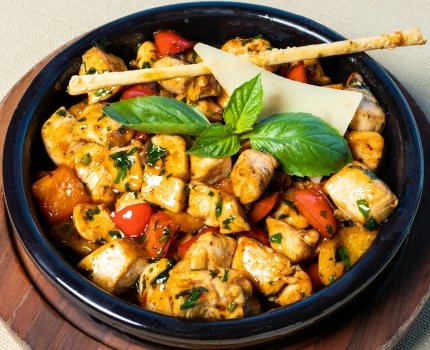
What to choose at a restaurant without counting calories
You don't need to count every calorie in a restaurant. Just ask yourself a few questions:
Is there protein in this dish?
Can I add salad or vegetables?
Do I really want an appetizer, a main course, and a dessert, or am I just taking some of these "for company"?
Can I ask for the sauce separately?
Will I be comfortable after this portion?
If the dish is very filling—such as pasta with a creamy sauce, pizza, or a fried local dish—you can pair it with a salad, share it with someone, or keep some if you're already full.
Buffet without overeating
The buffet is designed to make you want to try everything. That's normal: a large selection stimulates your appetite even when you're not hungry anymore.
Practical strategy:
First, look at the selection. Don't just pick the first one you see.
Choose 1-2 dishes that you really want. You don't have to try everything in one sitting.
Start with protein and vegetables. This will help you avoid building your plate with just pastries, fries, or sweets.
Take small portions for tasting. If you like the dish, you can come back.
Eat while sitting down and without rushing. This makes it easier to notice when you are full.
Don't automatically finish your meal. If a dish isn't as delicious as you expected, you don't have to finish it.
A useful rule: it is better to take something that brings real pleasure than to mechanically pick up the plate "because it was paid for."
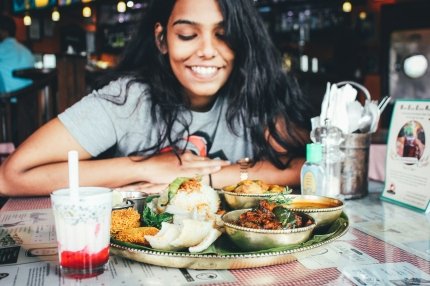
Desserts, local cuisine and snacks: how not to deny yourself
A vacation is not just about the beach or excursions, but also about gastronomic experiences. Local cuisine, ice cream, pastries or dessert in a cafe can be part of the joy.
To prevent this from turning into constant overeating, the following approaches help:
choose the dessert you really want, not the first one available;
eat sweets after a normal meal, not instead of it;
divide a large dessert between two if the portion is excessive;
taste several local dishes in small portions;
Don't buy snacks "just in case" if they will then be eaten automatically in the room.
For the road or excursions, it is worth having simple snacks:
nuts in a small portion;
fruits;
yogurt or kefir, if there are storage conditions;
whole grain breads;
cheese or sandwich with protein filling;
water.
A snack shouldn't be "dietary." Its task is not to make you feel very hungry, when it will be difficult to stop.
Alcohol, sugary drinks and water
Alcohol can subtly increase energy intake, increase appetite, reduce control over food choices, and disrupt sleep. This doesn't mean everyone should give up alcohol completely, but moderation is important.
What can help:
do not drink on an empty stomach;
alternate alcohol with water;
choose drinks more slowly, without rushing;
be careful with cocktails with a lot of syrups, juices and cream;
not using alcohol as a way to "relax every day at any cost."
Sweet carbonated drinks, juices, lemonades, and iced coffee with syrups can also give you a lot of energy, but they won't keep you full for long. You can have them if you want, but you shouldn't make them your main source of fluids.
Water is especially important in hot weather, during flights, active walks, and after salty meals. Be guided by thirst, urine color, air temperature, and activity level. People with heart disease, kidney disease, or other conditions where fluid is restricted should follow their doctor's recommendations.
Movement on vacation without training pressure
To maintain your weight, you don't have to spend your vacation at the gym. Often, natural movement is enough:
walk to the beach or the city center;
choose the stairs if it is comfortable;
swim;
to walk after dinner;
take walking tours;
play active games with children;
do a light warm-up after the road.
This movement shouldn't be a punishment for eating. It supports well-being, digestion, sleep, and energy expenditure, but doesn't create the feeling that every dessert has to be "worked out."
Sleep, stress and appetite
Lack of sleep and stress can affect eating behavior. When a person is tired, it is often more difficult for them to make informed choices, and they tend to crave sweets, fatty foods, or quick snacks.
On vacation, this can happen due to early excursions, overnight flights, jet lag, heat, noise, or an overly hectic schedule. So sometimes the best “diet” advice isn’t yet another food control, but a normal amount of sleep and a break.
Simple things help:
do not plan every day without rest;
take breaks between activities;
do not drink a lot of alcohol before bedtime;
do not overeat very late, if it is difficult to sleep afterwards;
have a calm morning or evening ritual.
Common mistakes that cause weight gain faster
More often than not, the problem isn't one dessert or dinner, but rather repetitive habits throughout the vacation.
Here's what can interfere:
Fasting until evening. A person skips breakfast and lunch, and then overeats at dinner.
The “all inclusive” position means you have to take the maximum. Eating becomes a competition, not a pleasure.
Not enough water. Thirst is sometimes mistaken for hunger, and in the heat it is especially noticeable.
Too much alcohol. It can increase appetite and disrupt sleep.
Constant snacks between meals. Especially if it happens automatically by the pool or in the room.
Complete rejection of your favorite food. Severe restrictions can end in overeating.
Compensatory thinking: “I ate too much today, I won’t eat anything tomorrow” often perpetuates a cycle of failure.
It's better to seek not perfection, but a repeatable balance: most of the time, a normal meal, sometimes a dessert, a local dish, or a guilt-free cocktail.
What to do after returning from vacation
If you've gained weight after your vacation, don't immediately go on a strict diet. First, get back to the basics:
normal sleep;
regular meals;
sufficient amount of water;
vegetables, fruits, protein and familiar home-cooked meals;
moderate movement;
less salty snacks and alcohol.
There is no need to do “fasting days,” starve yourself, or drastically cut out all carbohydrates. For many people, some of the weight after traveling comes off as fluid retention goes away and the regimen is resumed.
If your weight is steadily increasing or you have severe anxiety about food, your body, or overeating, it is best to consult a doctor, nutritionist, or eating disorder specialist.
FAQ
Can you eat desserts every day on vacation?
It is possible, as long as it does not replace normal meals and does not lead to constant discomfort. It is better to choose dessert consciously: the one that you really want, in a comfortable portion, and not automatically after every meal.
What is the best thing to eat for breakfast at a hotel?
It is good if breakfast contains protein, fiber and some carbohydrates: eggs or yogurt, vegetables or fruit, porridge or whole grain bread. Sweet pastries can be added, but it is advisable not to make it the only dish.
How not to overeat at a buffet?
First, look through all the dishes, choose the most interesting ones, assemble a plate with protein and vegetables, and leave dessert or a local dish as a conscious choice. You don't have to try everything in one go.
Should you count calories on vacation?
Not necessarily. For most people, regular eating, the plate method, moderation with alcohol, and natural movement are sufficient. Counting may only be helpful for those for whom it is appropriate and does not increase anxiety.
Why did my weight increase in one day after the flight?
This could be due to fluid retention, sitting for long periods, salty foods, sleep changes, less water, or carbohydrate-rich foods. One day does not show a real change in fat mass.
How to deal with alcohol if you don't want to gain weight?
Don't drink on an empty stomach, alternate alcohol with water, avoid too many sugary cocktails, and watch your sleep. If there are medical contraindications, it is better to discuss alcohol with your doctor or eliminate it.
What to take with you for a snack on the road?
Fruit, nuts in a small portion, a sandwich with protein filling, yogurt if cold, bread, cheese or water are suitable. A snack should help you not arrive at dinner very hungry.
Do I need to take fasting days after vacation?
Usually not. It's best to return to your usual balanced diet, sleep, water, and exercise routine. Severe restrictions can increase hunger and the risk of overeating.
Conclusion
Not gaining weight on vacation isn't about banning desserts, giving up restaurant food, or training through sheer force. A relaxed system works best: regular meals, protein and vegetables on your plate, plenty of water, moderation with alcohol, movement without pressure, and mindfulness of satiety.
A vacation should be restorative, not a test of willpower. If most of your decisions are balanced, a single dessert, dinner, or cocktail won't break your habits.

