
Oral care seems like a simple habit: brush your teeth in the morning and at night, floss occasionally, rinse your mouth, and that's it. But most problems with teeth and gums arise precisely from small daily mistakes: brushing too short, using a hard brush, not cleaning between teeth, frequent snacking on sweets, ignoring bleeding gums, or trying to replace the dentist with a "therapeutic" toothpaste.
Important! This material is for informational purposes only and cannot be used as a basis for diagnosis or medical conclusions. Publications on the site are based on the latest relevant and scientifically sound research in the field of medicine. If you are concerned about health problems, be sure to consult a doctor.
This material takes a broader look at how to properly care for your teeth, gums, and mucous membranes, why fluoride in toothpaste is important, when flossing or interdental brushes are needed, whether you really need mouthwash, how to avoid damaging your enamel, and when you shouldn't postpone a visit to the dentist.
Why oral care is important
Oral health is not just about your smile. It's about your ability to eat, speak, smile, and feel good about your breath. The CDC notes that the most common oral health problems include cavities, gum disease, oral cancer, and tooth loss, and poor gum health can make it harder to control blood sugar levels in people with diabetes.
The WHO emphasizes that most oral diseases are largely preventable and treatable in their early stages. Key risk factors include insufficient fluoride exposure, a diet high in free sugars, and poor access to dental care.
Therefore, home care is not a cosmetic procedure. It is the daily prevention of caries, gingivitis, bad breath, tartar, and complications that later require more expensive and complex treatment.
What is dental plaque and why is it dangerous?
The main enemy of teeth in everyday life is dental plaque. This is a soft bacterial film that forms on the teeth after eating, especially after eating foods and drinks with sugar or starch. If plaque is not removed, bacteria convert sugars into acids, which gradually destroy enamel and contribute to tooth decay. The WHO explains that tooth decay occurs when plaque on the surface of the tooth converts free sugars from food and drinks into acids, which over time destroy the tooth.
Plaque isn't just bad for your teeth. If it's left near your gum line, your gums can become red, swollen, and bleed. The Mayo Clinic explains that plaque builds up quickly after eating, and if left untreated, it can harden into tartar, which irritates your gums and requires professional cleaning.
That is why care should not consist of just “freshening breath”, but of mechanical removal of plaque: with a brush, paste, floss, interdental brushes or other means that are suitable for a particular person.
How to brush your teeth properly
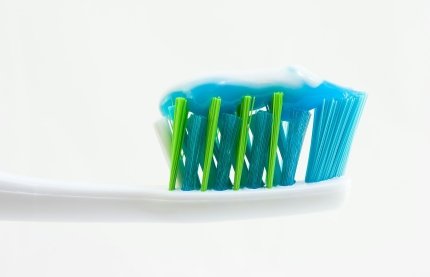
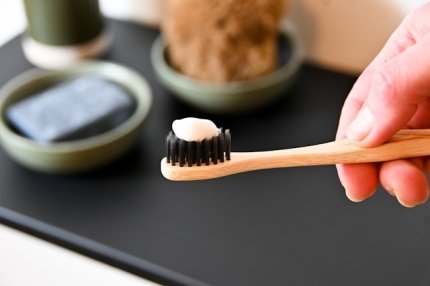
The basic rule is simple: brush your teeth twice a day with a fluoride toothpaste for about 2 minutes. This is the recommendation of the ADA, NHS and CDC. The ADA specifies that the brush should be soft, suitable for the size of the mouth and allow you to reach all areas, and the brush itself should be replaced every 3-4 months or sooner if the bristles are worn.
Proper technique is more important than pressure. You should hold your toothbrush at about a 45-degree angle to your gums, use short, gentle strokes, and brush the outside, inside, and chewing surfaces of your teeth. The ADA also recommends that you angle your toothbrush vertically and use several up-and-down strokes on the inside of your front teeth.
A common mistake is to brush your teeth aggressively, as if the brush is supposed to “scrape away” the enamel. This can irritate your gums and contribute to the erosion of the enamel near the necks of your teeth. If after brushing, the brush quickly becomes loose and your gums hurt or bleed, you should reduce the pressure and discuss the technique with your dentist.
Which brush to choose: manual or electric?
A manual toothbrush may be sufficient if a person brushes their teeth thoroughly, does not skip surfaces and does not apply too much pressure. The NHS states that manual and electric toothbrushes can be equally good as long as all surfaces of the teeth are cleaned and a fluoride toothpaste is used; however, some people find it easier to brush their teeth thoroughly with an electric toothbrush.
For most adults, a brush with a small head and soft or medium bristles will be suitable. The NHS recommends brushes with a compact head and soft or medium bristles for most people.
An electric toothbrush can be helpful if you have trouble lasting 2 minutes, tend to press too hard, have braces, implants, crowns, or have fine motor problems. But even the best toothbrush won't make up for the lack of cleaning between your teeth.
Why fluoride in toothpaste matters
Fluoride is one of the best-proven components of tooth decay prevention. The CDC explains that fluoride helps repair and protect the tooth surface: it replaces minerals lost through acid erosion, makes enamel more resistant to acids, and can reduce acid production by bacteria.
The WHO also calls adequate fluoride exposure an important factor in the prevention of caries and recommends encouraging twice-daily brushing with a fluoride toothpaste at a concentration of 1000–1500 ppm.
For adults, the NHS recommends a toothpaste with a fluoride content of at least 1350 ppm, and for children, it provides separate age-specific recommendations for the amount of toothpaste and supervision of brushing.
If a person has a high risk of cavities, dry mouth, receding gums, exposed roots, braces, or multiple fillings, their dentist may recommend a higher-concentration fluoride toothpaste, fluoride varnish, or other products. The CDC notes that stronger fluoride products should be chosen with the help of a dentist or doctor.
Do I need to rinse my mouth after brushing?
Many people rinse their mouths thoroughly with water after brushing. This is common sense, but not always beneficial from a fluoride perspective. The NHS advises that you spit out any excess toothpaste after brushing, but do not rinse your mouth with water immediately, as this washes away the concentrated fluoride that is left on your teeth and reduces its preventive effect.
In practice, it looks like this: you brush your teeth, spit out the foam, and don't rinse actively with water. If the taste of the toothpaste really bothers you, you can try a milder-tasting toothpaste or discuss an alternative with your dentist.
This rule is especially important in the evening. Nighttime brushing should be the last thing you do before going to bed: it’s best not to eat or drink sugary drinks afterward so that the fluoride stays on your teeth longer.
Why a toothbrush is not enough
A toothbrush does a good job of cleaning the exposed surfaces of your teeth, but its bristles don't fully reach the spaces between your teeth. That's where food and plaque build up, and cavities often start. The ADA recommends cleaning between your teeth daily because the bacteria that cause cavities can't get to them.
Cleaning between teeth isn't just about flossing. The ADA emphasizes that there is no one "best" way for everyone: flossing, interdental brushes, irrigators, and other interdental cleaners can all be helpful depending on the anatomy of the teeth and what a person will actually use on a daily basis.
If your teeth are tightly packed, floss or dental tape is often more convenient. If you have gaps between your teeth, implants, bridges or orthodontic appliances, an interdental brush or irrigator may work better. The NHS says that interdental brushes or mono-ply brushes can be used instead of floss, especially when there are gaps between your teeth.
How to floss without injury
The floss should not “saw” the gums, but glide gently along the side of the tooth. The NHS advises taking about 30-45cm of floss, carefully running it between the teeth, bending it in a C shape around the tooth and gliding up and down to remove plaque and food debris.
If your gums bleed during the first few days of flossing, it could be due to inflammation or poor technique. But if the bleeding persists, your gums are sore, swollen, or have a foul odor, you should see your dentist. The Mayo Clinic notes that gums with gingivitis may be red, swollen, tender, and bleed easily when brushing or flossing, and if you have symptoms of gingivitis, you should make an appointment with your dentist as soon as possible.
You shouldn't replace flossing with wooden toothpicks for regular cleaning. The NHS warns that wooden toothpicks can damage gums and cause infection.
Do I need an irrigator?
A water flosser is a device that delivers a fine stream of water to help wash away food debris and plaque from hard-to-reach areas. It can be helpful for people with braces, implants, bridges, crowns, deep gaps, or those who have difficulty flossing.
But a water flosser shouldn’t be seen as a magic bullet for all dental care. It complements brushing, but it doesn’t replace brushing, fluoride toothpaste, and your dentist’s individual recommendations. The ADA includes water flossers among the products that can carry the ADA seal of approval, but the general recommendation remains: brush your teeth twice a day and clean between your teeth daily.
If your gums bleed or hurt after using the irrigator, you should reduce the pressure and consult a dentist. A jet that is too strong will not make cleaning “deeper”, but can irritate the tissues.
Mouthwash: When is it needed?
Mouthwash can be a helpful addition, but it is not a substitute for brushing and flossing. The ADA explicitly states that mouthrinse is not a substitute for daily brushing and flossing, although it may help some people as an additional element of hygiene.
Fluoride mouthwash can be helpful in preventing cavities, but the NHS advises against using even fluoride mouthwash immediately after brushing, as it washes away the concentrated fluoride from the toothpaste. It is better to choose a different time, such as after lunch, and not eat or drink for 30 minutes after using fluoride mouthwash.
Antiseptic mouthwashes, such as those with chlorhexidine, should not be used “just in case” for months. Such products should be prescribed by a dentist for a specific situation: after an intervention, in case of inflammation, high risk of infection, or other indications.
Tongue care and bad breath
Bad breath is often associated with plaque on the tongue, insufficient cleaning between the teeth, dry mouth, smoking, tooth decay, gingivitis, problems with dentures, or certain medical conditions. Cleaning your tongue can be a useful part of your care, especially if it regularly accumulates thick plaque.
You can use a special tongue scraper or the back of a toothbrush, if it is designed for this purpose. The movements should be gentle, without trauma. If the smell does not disappear after normal hygiene, water, cleaning between the teeth and a professional examination, it is worth looking for the cause together with a dentist or doctor.
There is no need to mask persistent odor with chewing gum, spray, or mouthwash. If the cause is tartar, deep caries, periodontitis, or dry mouth, “fresheners” will only provide a short-term effect.
Nutrition and teeth: what really matters
It's not just the amount of sugar you eat that can damage your teeth, but also the frequency of your exposure to sugar. If you're constantly snacking on cookies, candy, dried fruit, sugary drinks, or sweetened coffee, bacteria have more opportunities to produce acids.
The WHO explains that tooth decay is linked to free sugars in food and drinks, and prevention includes a balanced diet low in free sugars, plenty of vegetables and fruits, and water as the main beverage.
The CDC also recommends limiting foods and beverages with added sugar, drinking fluoridated water, and brushing your teeth with fluoride toothpaste.
Practical tips:
don't keep sugary drinks around all day;
it is better to eat dessert after the main meal than to stretch the sweet for several hours;
after coffee, wine or an acidic drink, you can rinse your mouth with water;
do not brush your teeth aggressively immediately after an acidic drink or vomiting;
drink water more often, especially if you have dry mouth;
Sugar-free gum can help stimulate salivation, but is not a substitute for brushing.
Dry mouth: a hidden risk factor
Saliva protects teeth: it helps neutralize acids, wash away food debris, and maintain mineral balance in the mouth. If there is not enough saliva, the risk of cavities, bad breath, mucosal irritation, and problems with dentures can increase.
The CDC advises that if you have dry mouth related to medication, talk to your doctor about switching medications; if that doesn't help, drink plenty of water, chew sugar-free gum, and avoid smoking and alcohol.
Dry mouth can be caused by certain medications, stress, dehydration, smoking, alcohol, diabetes, salivary gland disease, or age-related changes. If dryness is persistent, don’t just “put up with it”—your dentist may recommend a moisturizer, fluoride treatment, or another care regimen.
How often to go to the dentist
The blanket advice of “once every six months” works for many people, but not for everyone. The CDC recommends having at least one dental exam and professional cleaning per year, with additional visits recommended by a healthcare professional.
The Mayo Clinic notes that to prevent gingivitis, it's a good idea to see your dentist or hygienist regularly, usually every 6–12 months; if you have risk factors for periodontitis, such as dry mouth, taking certain medications, or smoking, professional cleanings may be needed more often.
People with braces, implants, periodontitis, diabetes, pregnancy, dry mouth, high risk of caries, a large number of restorations, or bleeding gums should visit the dentist more often.
Symptoms that cannot be ignored
Not all dental problems hurt right away. The CDC warns that sometimes oral diseases don't cause noticeable pain or obvious signs until they're more serious.
You should contact a dentist if you have:
bleeding gums;
swelling, redness, or soreness of the gums;
unpleasant odor that does not go away;
toothache or reaction to cold, hot, sweet;
tooth mobility;
dark spots, cracks or chips;
pain under the crown or filling;
ulcers that do not heal;
dry mouth;
bite changes;
jaw pain or clicking in the joint.
The Mayo Clinic recommends making an appointment with your dentist as soon as possible if you experience symptoms of gingivitis, as early treatment increases the chances of stopping the problem before it develops into periodontitis.
Typical mistakes in oral care
The most common mistake is brushing your teeth quickly and unevenly. Two minutes only seems long at first. A timer on your phone or an electric toothbrush with a timer can help you get used to a normal duration.
The second mistake is to ignore the interdental spaces. If flossing is inconvenient, you can choose brushes or another tool with your dentist. It is important not to call this an “additional option” because a brush does not physically clean all areas.
The third mistake is rinsing your mouth immediately after brushing. This washes away the fluoride from the toothpaste and reduces its preventive effect, as the NHS directly warns against.
The fourth mistake is to treat bleeding gums with mouthwash without a diagnosis. If your gums bleed regularly, it could be a sign of gingivitis or periodontitis, not just “weak gums.”
The fifth mistake is to go to the dentist only when it hurts. Early diagnosis is usually easier, cheaper, and less traumatic than treating complications.
Daily plan for caring for teeth and gums
A comfortable home mode might look like this:
In the morning: brush your teeth with fluoride toothpaste for 2 minutes, gently clean your tongue if necessary, spit out the toothpaste and do not actively rinse your mouth with water.
During the day: drink water, don't stretch out sweet drinks for hours, rinse your mouth with water after acidic foods or drinks, and don't immediately brush your teeth.
In the evening: clean the spaces between your teeth with floss, brushes, or an irrigator, then brush your teeth with fluoride toothpaste for 2 minutes and do not eat afterwards.
Every few months: Replace your brush or brush head if the bristles are worn. The ADA recommends doing this every 3–4 months, or sooner if the bristles are frayed.
According to the dentist's schedule: get a check-up and professional cleaning. For most people, this is at least once a year, and for at-risk groups, more often.
Conclusion
Proper oral care is not limited to expensive toothpaste or a fashionable brush. The basis is regularity and technique: brush your teeth twice a day with fluoride toothpaste for about 2 minutes, clean between your teeth daily, do not rinse off fluoride immediately after brushing, limit frequent sweet snacks, monitor your gums, and do not postpone seeing a dentist.
The best home care is the one that a person actually performs every day. If flossing is not suitable, you can choose brushes or an irrigator. If the paste irritates the mucous membrane, it is worth changing the composition. If the gums bleed, you do not need to “tolerate” or mask the problem with a rinse — it is better to find the cause.
Teeth and gums do not require complicated rituals. They require consistent care, prevention, and timely help from a dentist.
FAQ
How to properly care for your oral cavity every day?
Brushing your teeth twice a day with fluoride toothpaste for about 2 minutes, cleaning between your teeth daily, limiting sugary snacks, and seeing your dentist regularly are basic steps recommended by the CDC, ADA, and NHS.
How many times a day should you brush your teeth?
Teeth should be brushed twice a day. Brushing at night before bed is especially important because it allows the fluoride from the toothpaste to stay on your teeth longer. The NHS advises brushing twice a day for about 2 minutes.
Do I need to use dental floss?
Yes, or another interdental cleaner. A toothbrush doesn't fully reach the interdental spaces, so plaque there needs to be removed separately. The ADA recommends cleaning between your teeth daily.
What is better: dental floss, toothbrushes, or an irrigator?
There is no one best option for everyone. Flossing is often suitable for dense teeth, brushes for gaps, and an irrigator may be useful for braces or implants. The ADA notes that the best method is the one that works for the individual and will be done regularly.
Should I rinse my mouth after brushing my teeth?
It's best to spit out any excess toothpaste, but don't rinse your mouth with water immediately after brushing. The NHS explains that rinsing washes away the concentrated fluoride from the toothpaste and reduces its protective effect.
Do I need mouthwash?
Mouthwash can be a helpful addition, but it is not a substitute for brushing and flossing. The ADA notes that mouthrinse is not a substitute for daily brushing and flossing.
Why do gums bleed when brushing?
Bleeding gums can be a sign of gum disease, improper brushing, tartar buildup, or other problems. The Mayo Clinic notes that gingivitis can cause swollen, red, tender, and bleeding gums, and you should see your dentist if you experience these symptoms.
How often should you change your toothbrush?
The ADA recommends replacing your toothbrush every 3–4 months, or sooner if the bristles are worn. A worn-out toothbrush is less effective at cleaning your teeth.
How often do you need to go to the dentist?
The CDC recommends having at least one dental exam and professional cleaning per year, with additional visits as recommended by a professional. People at high risk for cavities or gum disease may need more frequent visits.
Can cavities be cured with home care?
Home care helps with prevention and can support early remineralization processes thanks to fluoride, but a cavity that has formed should be treated by a dentist. If there is pain, a dark spot, sensitivity, or food getting stuck in one place, it is better not to postpone the examination.

