
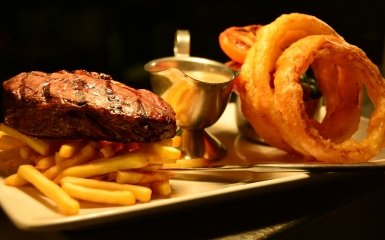
Evening meals can indeed affect sleep, but they don't act like a brain-off button. Some people find warm milk helps them relax, some people find a small piece of toast to satisfy their hunger, and some people find a late-night sandwich to be heavy and make it difficult to fall asleep.
The most accurate answer doesn't sound so impressive, but it's honest: for better sleep, it's not just one product that matters, but the time, portion, composition of dinner, individual tolerance, and overall sleep hygiene.
Does eating before bed really affect sleep?
Sleep and eating are linked through several mechanisms. Food can affect feelings of fullness, levels of stomach discomfort, body temperature, nighttime awakenings, and overall relaxation before sleep.
Going to bed very hungry can cause your body to react with tension, stomach rumbling, or thoughts of food. This can make it difficult to fall asleep. But the opposite extreme—a big, fatty dinner before bed—often creates heaviness, heartburn, or a feeling of fullness.
Therefore, the question is not only what to eat before bed, but also how much, when, and in what combination.
Sleep quality is also affected by:
caffeine in the afternoon;
alcohol in the evening;
bright lights and screens before bed;
stress and anxious thoughts;
irregular mode;
physical activity or lack thereof;
chronic diseases and medications.
That is, eating for better sleep can be part of a helpful routine, but is rarely the only solution.
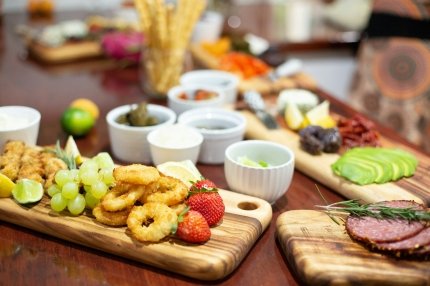
Milk at night: tradition or proven advice?
A glass of warm milk before bed is one of the most well-known home rituals. There is a certain logic to it, but it is often exaggerated.
Milk contains protein and the amino acid tryptophan, which is involved in processes related to serotonin and melatonin. Because of this, it is sometimes claimed that milk before bedtime “puts you to sleep.” In reality, everything is more complicated: the amount of tryptophan in one glass of milk does not automatically mean a hypnotic effect.
At the same time, milk can help in other ways:
creates a feeling of light satiety;
a warm drink may be associated with relaxation;
the ritual is repeated every night and signals the brain that it is time to prepare for sleep;
for some people it is a comfortable way to end the day.
But milk isn’t for everyone. If you have lactose intolerance, bloating, stomach discomfort, or reflux, this option can make your night worse. In that case, it’s best not to force yourself to drink milk “because it’s so good.”
Carbohydrates in the evening: when they can help and when they hinder
Carbohydrates are often demonized in the evening, although they are not in themselves the enemy of sleep. The type of carbohydrate, the portion size, and the context of the overall diet are important.
Some research suggests that certain carbohydrate foods may affect sleep through changes in amino acid availability and feelings of fullness. But that doesn't mean that sweets or a large serving of pasta before bed are a good way to improve sleep.
Moderate servings of complex carbohydrates may be more appropriate:
whole grain toast;
a small portion of porridge;
a slice of whole grain bread;
oatmeal without excess sugar;
fruits in moderation.
However, too much sugar in the evening can lead to energy fluctuations, thirst, discomfort, or overeating. For some people, sweets at night do not interfere with falling asleep, but they can worsen the perception of sleep quality.
People with diabetes, insulin resistance, or medical recommendations for glucose control should be especially careful with evening carbohydrates. In such cases, it is best to coordinate your diet with a doctor or dietitian.
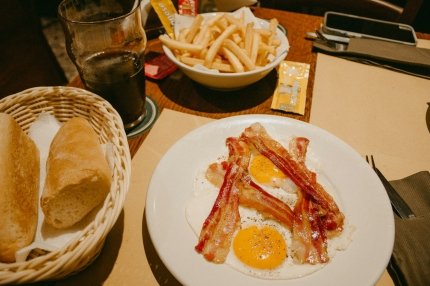
Sandwich before bed: bad idea or normal snack?
A sandwich for dinner can be either a normal light snack or a cause of heaviness. It all depends on the ingredients.
The worst option for sleep is a large sandwich with fatty meat, mayonnaise, hot sauce, lots of cheese, and white bread, especially if eaten right before going to bed.
A softer option:
a small piece of whole grain bread;
a little low-fat protein product;
vegetables, if they are well tolerated;
minimum fatty sauces;
moderate portion.
This snack may be appropriate if it's been a while since dinner and hunger is preventing you from falling asleep. But if you experience heartburn, bloating, or heaviness after eating a sandwich, it's better to change the composition or skip it in the evening.
What is better to choose for an evening snack?
The ideal light snack before bed is a small portion of food that doesn't overload your digestion but satisfies your hunger. It should be simple, familiar, and well-tolerated by you.
Possible options:
natural yogurt without a lot of sugar;
a small whole-grain toast;
banana or other fruit, if it does not cause discomfort;
oatmeal on water or milk in a small portion;
kefir or other fermented milk product, if well tolerated;
toast with a small amount of protein product;
decaffeinated herbal tea.
It's not necessary to eat before bed if you're not hungry. A snack is not needed to "prevent insomnia," but when hunger is really preventing you from relaxing.
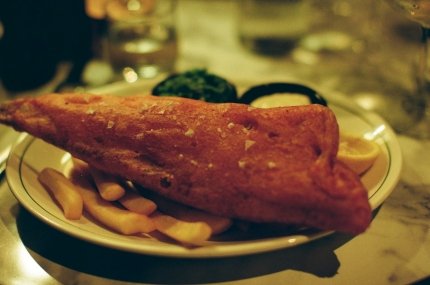
What is better not to eat or drink before bed?
Certain foods and drinks are more likely to interfere with sleep, especially if consumed late or in large quantities.
Heavy and fatty food
Fatty foods take longer to digest. They can cause heaviness, nausea, heartburn, or restless sleep. This is especially true of fried foods, fast food, large portions of meat, and fatty sauces.
Spicy dishes
Spicy foods can cause heartburn or stomach discomfort in some people. If you notice this connection, it's best not to save spicy foods for a late dinner.
Caffeine
Coffee isn't the only source of caffeine. It can be found in tea, energy drinks, cola, chocolate, and some supplements. Even if you think you're used to it, caffeine can actually reduce or worsen your sleep.
Alcohol
Alcohol may make you sleepy and help you fall asleep faster, but this is a deceptive effect. It often worsens sleep structure, contributing to nighttime awakenings, dry mouth, snoring, and morning grogginess.
Excess of sweets
Sweets before bed are not an automatic disaster, but in large quantities they can interfere with overeating, thirst, or mood swings. If sleep is worse after desserts, it is worth testing this connection in practice.
When dinner time matters
Eating late isn't always bad. People have different work, exercise, and sleep schedules. But eating a large meal right before bed is more likely to cause problems.
The general practical logic is as follows:
it is better not to make the main dinner too heavy;
after a large meal, it is advisable to give the body time to digest;
if dinner was early and sleep was late, a small snack may be appropriate;
If you have reflux or heartburn, lying down immediately after eating is often a bad idea.
You don't need to starve yourself in the evening for the sake of a "proper regimen." But you shouldn't turn a late-night snack into a second dinner either.

How to understand what is right for you
There is a lot of individual variation in what you eat before bed. The same product may help one person and hinder another.
Try observing the following things for a few days:
what time was dinner;
what exactly did you eat or drink;
was the portion large;
were there heartburn, bloating, thirst, heaviness;
how long it took to fall asleep;
were there any night awakenings;
How was your health in the morning?
Don't change everything at once. For example, you could first cut out caffeine in the evening, then check your portion sizes, then check your snack ingredients. This will help you understand what's really affecting your sleep.
When you shouldn't blame your sleep problems on dinner
If you have a recurring problem with poor sleep, it may not be milk, carbs, or a sandwich. Insomnia, frequent nighttime awakenings, or excessive daytime sleepiness may be related to stress, anxiety disorders, sleep apnea, pain, hormonal changes, medications, or other conditions.
It is worth consulting a doctor if:
Sleep difficulties last a long time and affect work or studies;
there is severe daytime drowsiness;
loved ones notice loud snoring or pauses in breathing during sleep;
you often wake up with a feeling of suffocation;
there is nighttime heartburn, pain, or palpitations;
sleep worsened after starting medication;
there is a need to regularly use alcohol or drugs to fall asleep.
In such situations, changing the dinner may be helpful, but is not a substitute for medical evaluation.
Conclusion
There is no single product that “makes everyone sleep better.” Milk before bed can be a helpful calming ritual if it is well tolerated. Carbohydrates in the evening are not necessarily harmful, but it is better to choose moderate portions and simple combinations. A sandwich at night can be an okay snack if it is light and does not cause discomfort.
The best strategy is not to look for magic foods, but to set up an evening routine: a moderate dinner, minimal caffeine and alcohol, a comfortable snack when needed, a stable bedtime, and attention to your own reactions.

FAQ
Can I drink milk before bed?
Yes, if it is well tolerated. Milk may help some people through its satiety, warmth, and evening ritual. But it is not a guaranteed cure for insomnia and may not be suitable for those with lactose intolerance or reflux.
Is it harmful to eat carbohydrates in the evening?
Not necessarily. A moderate portion of complex carbohydrates can be a normal part of a dinner or snack. Problems are more likely to arise from large portions, high sugar content, or individual medical restrictions.
Can I eat a sandwich at night?
It is possible, if it is a small and light sandwich, and not a heavy fatty dish. It is better to choose whole grain bread, a moderate amount of protein and a minimum of sauces. If after it there is heartburn or heaviness, it is worth changing the snack.
What's better: banana, yogurt or toast?
All three options can be appropriate if they suit you. A banana is a light fruit snack, yogurt provides protein, and toast can satisfy hunger. The best choice depends on your tolerance, portion size, and what you've eaten throughout the day.
Does honey in tea help you sleep?
A warm drink can be part of a calming ritual. But honey is a source of sugar and is not guaranteed to have a sleep-inducing effect. If you add honey, it’s best to do so in moderation.
How long before bedtime is it best to have dinner?
There is no universal time. Many people find it more comfortable to have a big dinner that doesn't fall in the last few minutes before bed. If you get hungry, you can opt for a small, light snack.
Why do you fall asleep quickly after drinking alcohol, but your sleep is worse?
Alcohol can make you sleepy, but it often disrupts sleep quality, causing awakenings and morning fatigue. Therefore, it should not be used as a way to fall asleep.
When should you see a doctor for insomnia?
If sleep problems recur regularly, worsen daytime well-being, are accompanied by snoring, breathing pauses, pain, severe anxiety, or the need for medication or alcohol to fall asleep, it is best to consult a doctor.

