
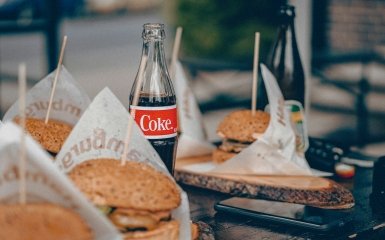
Many people notice that McDonald's Coca-Cola tastes different than the drink from a bottle, can, or vending machine at another establishment. It often seems colder, more fizzy, richer, and "fresher." This has led to many myths surrounding the drink, such as a separate recipe, a different syrup, or a special version of Coca-Cola for McDonald's.
In fact, the explanation is simpler. The taste is influenced not by one “secret ingredient”, but by the entire delivery system: concentrated syrup, filtered water, refrigeration, syrup-to-water ratio, ice, carbonation, equipment and even the diameter of the straw. McDonald's, in its official explanations, notes that it adheres to Coca-Cola standards, pre-chills the water and syrup, filters the water and adjusts the ratio to take into account the melting of the ice.
Coca-Cola at McDonald's is not a bottled drink
The main difference between Coca-Cola at McDonald's and the drink from the supermarket is the way it is prepared. In a bottle or can, you get a ready-made drink. In a restaurant, Coca-Cola is prepared on the spot: syrup is mixed with water, carbon dioxide and ice.
McDonald's Ukrainian website explains that Coca-Cola, Fanta, and Sprite are supplied to restaurants as concentrated syrups, to which water, ice, and carbon dioxide are added at the restaurant. It also states that cold drinks taste better with ice because it helps hold the gas bubbles longer.
That is, the taste depends not only on the Coca-Cola brand. What matters is how the restaurant works with water, syrup, temperature, ice, and carbonation.
Why is water so important?
In Coca-Cola, most of the drink is water. If the water has an off-flavor, excessive hardness, chlorine odor, or other characteristics, it can change the taste of the finished drink. That is why water filtration is one of the key factors.
McDonald's in the US says it filters all water before it enters its vending machines, citing its desire to maintain a consistent standard of fountain drink quality.
In Ukraine, McDonald's also emphasizes attention to water quality: restaurants use a multi-stage filtration system, which includes coarse cleaning, softening, reverse osmosis, nano- and carbon filtration, and ultraviolet purification.
Water is often the reason why the same soda or cola can taste different in different places. If the base is cleaner and more neutral, the Coca-Cola syrup feels more stable.
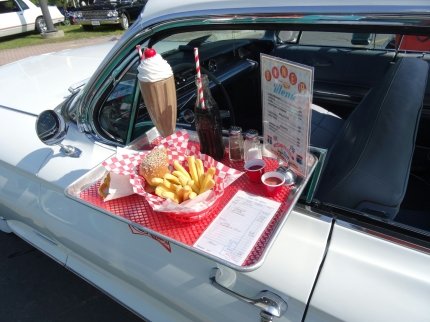
Cooling syrup and water: why cold changes perception
Another important factor is temperature. McDonald's officially states that the water and Coca-Cola syrup are cooled before they enter the fountain dispenser. The beverage delivery system itself is also kept cold.
This does a few things. First, a cold drink subjectively feels fresher. Second, the cold helps hold the carbon dioxide in the liquid better. The American Chemical Society explains: When making carbonated drinks, water is chilled because cold water can hold more carbon dioxide.
Because of this, well-chilled Coca-Cola seems more “alive”: the bubbles are felt more distinctly, the drink does not become flat for longer, and the taste seems cleaner and sharper.
Carbonation: Why Bubbles Change the Taste
Carbonation is not just about visual bubbles. Carbon dioxide affects the mouthfeel, the slight acidity, the freshness, and the same “tingling” that many people associate with a proper Coca-Cola.
As a drink warms, carbon dioxide escapes from the liquid more quickly. This is why a warm cola tends to feel flat, sweeter, and less refreshing. The American Chemical Society explains that after you open a bottle or can, carbon dioxide begins to escape from the drink into the air.
McDonald's tries to control this effect by cooling the water, syrup, and delivery system. As a result, the Coca-Cola arrives in the glass already cold and sufficiently carbonated, and the ice helps maintain the temperature.
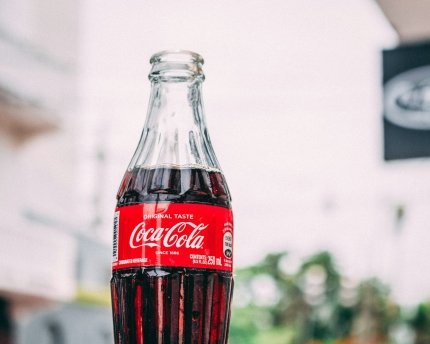
Syrup to Water Ratio: Why Ice Doesn't "Dilute" the Flavor
One of the most interesting factors is the proportion of syrup. When ice is added to the drink, it gradually melts and dilutes the Coca-Cola. If the machine is set without taking this process into account, the taste can become watery after a few minutes.
McDonald's explicitly explains that the syrup ratio is adjusted to account for melting ice.
This does not mean that McDonald's Coca-Cola necessarily has "more syrup" than all other establishments. It is more accurate to say that the system is tuned for a specific method of serving - with ice, in a cold glass, through a fountain machine and with the expectation that the drink should not lose its saturation immediately after being served.
That's why Coca-Cola from McDonald's can seem brighter than a drink from a bottle, especially if you drink it immediately after purchase.
Syrup in tanks: what is known about “steel tanks”
Another factor often mentioned around Coca-Cola at McDonald's is storing the syrup in stainless steel tanks. A Channel 24 reference article also cites this as one of the explanations for the excellent taste.
Open media reports have repeatedly noted that McDonald's receives Coca-Cola syrup in large steel tanks, while many other restaurants receive syrup in bag-in-box format. The Wall Street Journal, in a story about the McDonald's-Coca-Cola partnership, described the syrup being delivered in 75-gallon stainless steel tanks.
Why might this matter? Theoretically, stainless steel is better at protecting the syrup from light, air, and temperature fluctuations. However, for the average consumer, the main tangible factors are temperature, carbonation, water, proportion, and freshness of the serving.
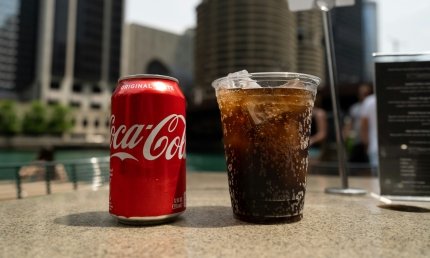
Straw: a little thing that affects the impression
McDonald's specifically mentions the straw: the company explains that it is slightly wider than a typical one, which allows the taste of Coca-Cola to reach the taste buds better.
It sounds like a marketing detail, but it can really affect perception. A wider straw allows a person to take a larger sip. The drink comes into more contact with the tongue and palate, and the cold and carbonation are felt more strongly.
This doesn't change the recipe for Coca-Cola. But it does change the experience of consumption. The same drink from a bottle, a glass, a narrow straw, or a wide tube can be perceived differently.
Why Coca-Cola is different in bottle, can and vending machine
The taste of Coca-Cola varies by format. A can often feels cold and sharp when well chilled. A glass bottle may give a “cleaner” taste due to the different contact with the container material. A plastic bottle may lose some of its carbonation over time, especially if it has been opened several times.
Fountain Coca-Cola is a category of its own. It is not stored as a ready-made drink. Its taste is formed at the moment of serving: syrup, water, gas, temperature, ice and the settings of the machine work together.
Therefore, the question “why is Coca-Cola different at McDonald's” does not have an answer like “because Coca-Cola is different there.” It is more correct to say: the preparation and serving process is organized differently there.
Does McDonald's have a separate Coca-Cola recipe?
McDonald's official explanations do not confirm the version of a separate secret recipe. The company says that it follows Coca-Cola standards, water filtration, cooling of syrup and water, cold serving system, ice-taking proportion and straw.
Coca-Cola historically began as a soda fountain drink: according to The Coca-Cola Company, in 1886, Coca-Cola syrup was mixed with carbonated water at Jacobs' Pharmacy in Atlanta.
So the fountain format is not a simplified version of bottled Coca-Cola. On the contrary, it is historically close to the original method of serving. McDonald's has simply brought this process to a very controlled standard.
Why does a drink taste better with food?
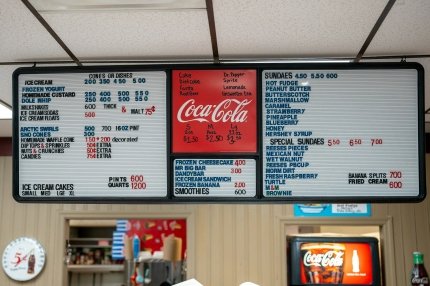
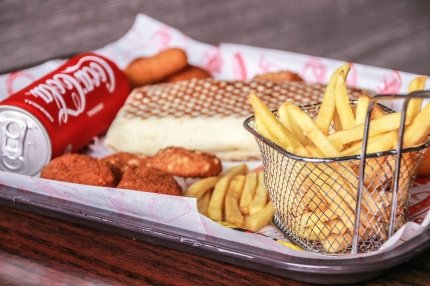
There's another factor that's rarely mentioned in technical explanations: context. Coca-Cola at McDonald's is often drunk with salty fries, a burger, sauces, or spicy dishes. After a salty, fatty meal, a cold soda can feel especially refreshing.
It's not the recipe that's at work here, but the sensory contrast. Salt increases the desire to drink, the fatty texture of the food makes the carbonation more pleasant, and the cold drink creates a sense of balance. This is why the same Coca-Cola can seem more interesting in a combo menu than when drunk alone at home.
This explains why people often remember not just the taste of the drink, but the entire experience: the cold glass, the ice, the wide straw, the fries, the quick service, and the familiar aroma of the restaurant.
Why the taste can still be different in different restaurants
Even with uniform standards, the taste of Coca-Cola can vary slightly. This is influenced by:
drink temperature;
amount of ice;
quality and condition of equipment;
machine settings;
local water and filtration system;
intensity of dispenser use;
cleanliness of supply lines;
freshness of the syrup;
how long the drink stood before it was drunk.
So don't expect every Coca-Cola in every restaurant in the world to be exactly the same. Standards help minimize variation, but the taste of a fountain drink always depends on the equipment, staff, temperature, and specific moment of serving.
Can you replicate the taste of Coca-Cola from McDonald's at home?
It's difficult to fully replicate the experience, as you don't have a professional filtration, cooling, syrup dosing, and carbonation system at home. But you can get close to a similar feeling.
What will help:
cool the drink well before serving;
use a lot of ice;
cool the glass;
drink the drink immediately after opening;
do not leave the bottle open for a long time;
pour carefully to retain more gas;
use a wider straw;
Do not store the bottle in a warm place.
The easiest way to get a richer flavor is to chill your Coca-Cola before serving it and not wait for it to lose its carbonation. Warm cola from an open bottle will almost always lose out to a well-chilled fountain drink.
Does this serving make the drink healthier?
No. Better taste does not mean a drink is healthier. Coca-Cola remains a sweet carbonated drink that should be seen as part of a diet, not as a source of benefits.
Technical quality of presentation is about taste, carbonation, and stability. It does not change the basic nutritional category of the product. Therefore, if a person is limiting sugar, calories, or sugary drinks for health reasons, it is best to rely on the personal recommendations of a doctor or nutritionist, not on how “fresh” the drink tastes.
Conclusion
Coca-Cola at McDonald's doesn't taste different because of a magical recipe. It's a combination of several factors: filtered water, chilled syrup, a cold delivery system, the right ratio of syrup to water, ice, carbonation, and a wider straw.
The method of syrup delivery and storage may play a role, including the steel tanks mentioned in the media. But for the consumer, the most noticeable are the cold, bubbles, stable water, and serving immediately after mixing.
So the secret to McDonald's Coca-Cola isn't a different drink, but a finely tuned process that transforms ordinary fountain Coke into a flavor that many people easily recognize.
FAQ
Why does Coca-Cola taste better at McDonald's?
A combination of factors: filtered water, pre-chilled water and syrup, a cold-serve system, ice-based ratio adjustments, and a wider straw. McDonald's cites these elements as the reason for the unique taste.
Does McDonald's have a separate Coca-Cola recipe?
Officially, McDonald's isn't talking about a different recipe, but about adhering to Coca-Cola standards and controlling the serving of the drink. The main differences are in the preparation process, temperature, water, ice, and carbonation.
Why is Coca-Cola from a vending machine different from bottled?
The drink is ready-made in a bottle or can. In a fountain machine, it is mixed on the spot from syrup, water, and carbon dioxide. Therefore, the taste depends on the water filtration, temperature, machine settings, ice, and carbonation.
Is it true that Coca-Cola syrup for McDonald's is stored in steel tanks?
This detail was repeatedly mentioned by the media, including The Wall Street Journal. The materials described the delivery of syrup in 75-gallon stainless steel tanks.
Why is there so much ice in Coca-Cola?
Ice cools the drink and helps it stay fresh and fizzy longer. McDonald's also adjusts the syrup ratio to account for the melting of the ice.
Why does cold Coca-Cola seem more fizzy?
Cold water holds carbon dioxide better, so a well-chilled drink stays fizzy longer. The American Chemical Society explains that when carbonated drinks are made, the water is chilled to better retain the gas.
Does a straw affect the taste?
Yes, it can affect perception. McDonald's explains that it uses a slightly wider straw so that the taste of Coca-Cola reaches the taste buds better.
Why does Coca-Cola taste different in different establishments?
Fountain drinks depend on water, temperature, cleanliness of equipment, syrup ratio, carbonation, ice, and condition of the machine. Even the same brand can taste different if the serving process is different.
Can you make Coca-Cola at home like McDonald's?
It's difficult to completely replicate the restaurant system, but you can get close to a similar effect: chill the drink, glass, and ice well, drink immediately after opening, and don't let the gas escape from the bottle.
Is Coca-Cola at McDonald's healthier than regular Coca-Cola?
No. Serving characteristics affect taste, temperature, and carbonation, but do not make a sweet carbonated drink healthier.

