

Eight hours in bed doesn’t guarantee that you’ll wake up refreshed in the morning. The length and continuity of your sleep, the time you fall asleep, your internal body clock, caffeine, alcohol, evening light, room temperature, and even what you do right before bed all affect how well you feel. For most healthy adults, getting at least seven hours of regular sleep is considered essential for normal recovery. Many people need about 7–9 hours, but individual needs vary.
If you literally have to force yourself out of bed every morning, the problem may not be “weak willpower.” It’s worth checking to see if you’re cutting back on sleep without noticing, if you’re breaking your sleep routine on the weekends, and if you have any evening habits that are degrading your quality.
Why you can sleep long enough and still not get enough sleep
Duration is only one characteristic of sleep.
Let's imagine two situations.
The first person goes to bed at 11:00 PM, falls asleep quickly, sleeps without prolonged awakenings, and wakes up at 7:00 AM.
The second one goes to bed at 11:00 PM, scrolls through her phone until midnight, then can't fall asleep for a long time, wakes up several times, and turns off the alarm at 7:00 AM.
Formally, both spent eight hours in bed. The actual amount and quality of sleep are completely different.
Morning lethargy may be associated with:
chronic sleep deprivation;
fragmented sleep;
unstable schedule;
an unfortunate awakening time relative to the circadian rhythm;
alcohol;
caffeine;
sleep-disordered breathing;
restless legs syndrome;
some medications;
other medical conditions.
Therefore, improving your evening habits is a good first step, but it doesn't solve absolutely all sleep problems.
1. Going to bed too late, even though you need to get up at the same time
The most obvious reason for a difficult morning is often overlooked.
If the alarm clock is set for 6:30, and a person regularly falls asleep after one night, the body simply does not get enough time to recover.
It is especially easy to shorten sleep due to so-called procrastination before bedtime: the workday is over, free time has finally appeared, and you want to watch another series, scroll through social networks, or play a game.
The problem is that the morning wake-up time usually remains the same.
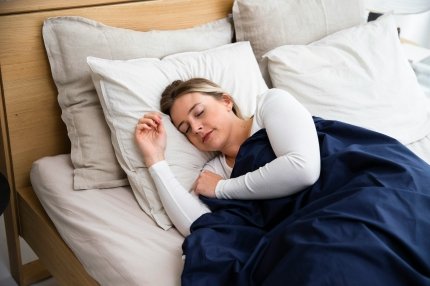
How to calculate bedtime
It's better to start from the moment you wake up.
If you need to get up at 7:00 AM and you know you are comfortable after about eight hours of sleep, actual falling asleep should occur around 11:00 PM.
And at 11:00 PM, you need to go to sleep, not just start brushing your teeth.
Therefore, it is advisable to start your evening routine at least 30–60 minutes before you plan to fall asleep.
2. Go to bed at a different time every day
The body loves predictability.
Circadian rhythm is an internal system of approximately 24-hour biological cycles that affects sleepiness, body temperature, hormonal processes, and many other functions.
If a person goes to bed at 11:00 PM on Monday, 2:00 AM on Friday, and sleeps until noon on Saturday, the biological clock constantly has to adapt.
This discrepancy between social schedule and internal rhythm is sometimes called social jet lag.
It is more practical to maintain relatively stable:
wake-up time;
bedtime;
morning light;
time of physical activity.
The time of ascent is especially important.
Even after a late night, trying to make up for everything by sleeping in before lunch can further delay your next sleep.
A small difference between weekdays and weekends is normal. Regular shifts of several hours become a problem.
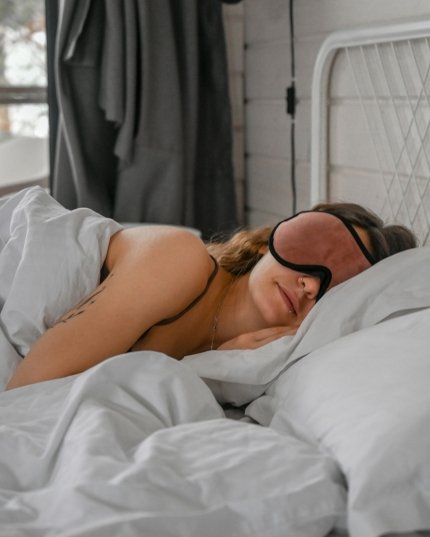
3. Drinking caffeine too late
Coffee after dinner seems innocent, especially if a person is convinced: "I fall asleep normally after coffee."
But falling asleep quickly and getting optimal sleep are not always the same thing.
Caffeine blocks adenosine receptors. Adenosine accumulates throughout the day and is one of the mechanisms of increased drowsiness.
The effects of caffeine can last for many hours. The rate of its metabolism varies greatly between people due to genetics, pregnancy, taking certain medications, and other factors.
Therefore, the universal rule "coffee is allowed until 2:00 PM" does not suit everyone.
If you fall asleep around 11:00 PM and your sleep has become shallow or you have difficulty falling asleep, try eliminating caffeine after dinner for one to two weeks and evaluate the results.
Don't forget that caffeine is contained in:
coffee;
energy;
black tea;
green tea;
matcha;
circles;
some pre-workout complexes;
chocolate.
It's especially easy to underestimate an evening cup of strong tea.
4. Use alcohol as a sleeping pill
Alcohol can indeed make you sleepy, so it seems like a logical way to fall asleep faster.
But falling asleep faster doesn't mean better quality sleep.
Recent systematic reviews show that alcohol alters the normal architecture of sleep. Even relatively small doses can reduce REM sleep, and with increasing doses, the disruptions become more pronounced.
After drinking alcohol, a person may:
waking up more often;
wake up earlier in the morning;
be thirsty;
snoring more loudly;
have fragmented sleep;
to wake up restless.
Alcohol can also worsen obstructive sleep apnea in people prone to it.
Therefore, a glass before bed should not be used as a method of combating insomnia.
5. Lying in bed with your phone until the last minute
The smartphone before bed problem is more complex than the popular “blue light” story.
Light does play a role in regulating circadian rhythms, and bright evening lighting can signal to the brain that the period of activity is still ongoing.
But the phone affects sleep in several other ways.
Your phone is just stealing your sleep time.
We planned to go to bed at 11:00 PM, opened a social network "for five minutes," and put the phone away at 12:20 AM.
No complex biological explanation is needed anymore.
Content keeps the brain active
News, work messages, debates, short videos, and emotional content can increase cognitive and emotional arousal.
Notifications can fragment sleep
Having your phone next to your pillow creates another opportunity for nighttime awakenings.
Therefore, the recommendation to put away the screen about 30–60 minutes before bedtime makes practical sense.
If that's unrealistic, start with something simpler:
reduce the brightness;
turn off notifications;
don't take your phone to bed;
put it away to charge;
Replace the endless tape with a quiet activity.

6. Leave bright lights on until bedtime
Even without a smartphone, a very bright room in the evening can maintain a wakefulness signal.
There's no need to turn your apartment into a cave at seven in the evening.
But an hour before bedtime, it is logical to switch from bright overhead lighting to calmer lighting.
For example:
turn off some of the lights;
use local light;
reduce screen brightness;
Don't sit in front of an extremely bright monitor in a dark room.
In the morning, the opposite principle applies.
Bright natural light after waking up helps the internal clock to establish the beginning of the active part of the day.
Therefore, a good sleep is not only prepared in the evening — morning light is also important.
7. Eating a big dinner right before bed
There is no universal prohibition of "not eating after 6:00 PM."
Dinner time should be considered in relation to bedtime.
But a large, fatty, or very spicy meal right before going to bed can cause:
difficulty;
stomach fullness;
belching;
heartburn;
discomfort.
This is especially true for people with gastroesophageal reflux disease.
For nocturnal reflux, recommendations often include finishing your main meal about three hours before going to bed.
At the same time, going to bed very hungry is also not necessary.
If dinner was a long time ago and hunger prevents you from falling asleep, a small snack is perfectly acceptable.
For example:
natural yogurt;
a small portion of sour milk cheese;
fruit;
a small amount of oatmeal.
The problem is more often in the huge late dinner, rather than in the actual fact of eating after a certain hour.

8. Have a very intense workout right before bed
Physical activity generally improves sleep and is an important part of a healthy lifestyle.
Therefore, the popular advice "after 6:00 PM, sports are prohibited" is too categorical.
Systematic reviews show that evening exercise by itself does not impair sleep in most healthy people.
Problems are possible if a very intense workout is completed almost immediately before bedtime.
After a hard workout, the following may remain for some time:
rapid pulse;
higher body temperature;
psychological arousal;
activity of the sympathetic nervous system.
If evening exercise doesn't prevent you from falling asleep, there's no need to postpone your workout to the morning just because of the myth of the "right time."
If after classes at 10:00 PM you lie awake until one in the morning, you should finish the intensive part earlier or reduce the evening intensity.
9. Sleeping in a room that is too hot, bright, or noisy
The bedroom doesn't have to be perfect, but the environment has a significant impact on sleep.
It is usually better to sleep in a room that:
dark;
quiet;
comfortably cool;
well ventilated;
associated with sleep.
The exact comfortable temperature is individual, so there is no point in chasing one "magic" number on the thermometer.
The guideline is simple: the bed should not be stuffy and hot.
Regarding noise, the situation is also individual.
Sudden sounds—transportation, a TV in the next room, phone messages—can fragment sleep even when a person doesn't remember each awakening.
A consistent background sound or white noise helps some people mask irregular noise. But it is not a prerequisite for good sleep and is not a universal therapy for insomnia.

10. Trying to “catch up on sleep” with a long nap
After a bad night, it's natural to want to sleep during the day.
A short nap can actually improve alertness.
The problem arises when a person falls asleep two or three hours after work, wakes up in the evening and wonders why they don't want to sleep at all at midnight.
Daytime sleep reduces the so-called homeostatic sleep pressure — the need for sleep accumulated during the day.
If you regularly have difficulty falling asleep in the evening, it is better to:
or give up daytime sleep;
or move it to the early afternoon;
or make it short.
For adults, a guideline of about 20 minutes is often used for a short daytime nap.
After a night of anxiety, being on duty, or other forced sleep deprivation, the situation may be different: sometimes restorative sleep is really needed. Safety and the actual need for rest are more important than perfect “sleep hygiene.”
Another mistake: trying to force yourself to sleep
The more a person thinks, “I have six hours left, I have to go to sleep right now,” the more stressed they become.
The bed gradually begins to be associated with:
time check;
anxiety;
by the work of thoughts;
irritation due to insomnia.
If you have been awake for a long time, sometimes it is more helpful to get up, move to another place with dim lights, and do something quiet.
You can return to bed when drowsiness appears again.
This principle is also used in cognitive behavioral therapy for insomnia — CBT-I, which is considered a first-line method for chronic insomnia in adults.
Simple “sleep hygiene” and CBT-I are not the same thing. If insomnia has become chronic, simply putting away your phone is often not enough.

Should I take melatonin if I have trouble falling asleep?
Melatonin is a hormone that is involved in the regulation of circadian rhythm.
But this is not a universal sleeping pill.
It may be useful in certain situations related to circadian rhythm, jet lag, or certain sleep disorders. The effect is highly dependent on the time of administration.
Taking melatonin every night randomly just because it's hard to tear yourself away from your phone at 2 a.m. is not the best strategy.
If you have trouble falling asleep for a long time, it is best to first determine the cause.
What to do an hour before bed: a simple evening routine
There is no need to create a complex ritual of ten procedures.
A working version might look like this.
In 2–3 hours
Finish off a big dinner, especially if you are prone to heartburn.
End a very intense workout if you notice that late-night workouts are preventing you from falling asleep.
Per hour
Reduce the brightness of the lighting.
Complete work correspondence and complex matters.
Remove active news, social media, and other content that forces the brain to work in a constant attention switching mode.
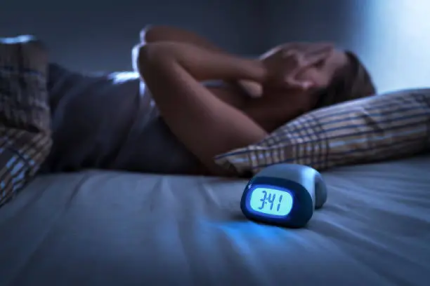
In 30 minutes
Prepare the room.
Ventilate it, reduce noise and light if possible.
You can take a warm shower, read, or do some other relaxing activity.
When drowsiness appeared
Go to bed.
Don't open your phone "for a minute" while in bed.
How to wake up easier
What happens after the alarm clock rings also affects how you feel in the morning.
More useful:
Try to get up at about the same time.
Open the curtains or go out into the daylight.
Move — at least walk around the room.
Don't try to constantly compensate for falling asleep late with a dozen repeated alarm signals.
Check the actual duration of sleep, not the number of hours spent in bed.
Sometimes heaviness after waking up is associated with normal sleep inertia — a temporary state of reduced alertness immediately after sleep.
But if it takes hours to fully "turn on" every morning, it's worth evaluating not only the alarm clock, but also the sleep itself.

When it's not about evening habits anymore
If a person consistently gets enough sleep but still wakes up exhausted, the cause may be a sleep disorder or another condition.
You should see a doctor if:
insomnia recurs for months;
you regularly cannot sleep for a very long time;
you often wake up in the middle of the night;
you snore loudly;
loved ones notice pauses in breathing;
you wake up with a feeling of suffocation;
headache often in the morning;
during the day you feel extremely sleepy;
falling asleep while working or driving;
In the evening, there is an unbearable need to move the legs;
The sleep pattern has shifted so much that it is almost impossible to fall asleep at the right time.
Severe daytime sleepiness is especially important from a safety perspective. If you feel like you might fall asleep at the wheel, you should not drive.
What to do after a night disrupted by an air raid alarm
In Ukrainian realities, it is impossible to always adhere to an ideal regime. Night alarms, shelling, or the need to take cover are more important than any rules of "sleep hygiene."
After a forcibly interrupted night, there's no need to blame yourself for the fact that your regime has gone astray.
If possible:
return to sleep after the danger is over;
lower your performance expectations the next day;
do not compensate for fatigue with a large number of energy drinks in the evening;
a short daytime nap may be appropriate if you haven't had much sleep;
The next evening, try to return to your usual schedule.
If prolonged disruption of nighttime sleep has resulted in dangerous daytime sleepiness, rest and safety should be the priority.
Conclusion
The most common evening mistakes are pretty simple: going to bed too late, an unstable routine, caffeine in the afternoon, alcohol, endless phone calls in bed, bright lights, a big late dinner, and inappropriate bedroom conditions.
You don't have to fix everything at once. Three changes often have the biggest impact: getting enough sleep, a consistent wake-up time, and a quieter last hour before bed.
If these measures do not help, and fatigue, insomnia, snoring, or daytime sleepiness persist, it is worth looking for the cause with a doctor, rather than endlessly improving your evening ritual.
Important: The material is for informational and educational purposes only and does not constitute medical advice, diagnosis, or treatment recommendations. Do not use it to self-diagnose, prescribe, change, or discontinue treatment. Self-medication can be dangerous to your health. If sleep problems recur or significantly affect your well-being, consult a doctor.
FAQ
What should you not do before going to bed?
The most common sleep disruptors are caffeine in the afternoon, alcohol as a "sleeping pill," bright light, prolonged phone use in bed, large late-night meals, and very intense exercise right before bedtime.
How many hours before bedtime should you not drink coffee?
There is no universal time, as people metabolize caffeine differently. Its effects can last for many hours. If you have trouble falling asleep, a practical experiment is to eliminate caffeine after dinner for a week or two and assess the changes.
Does using your phone before bed really interfere with your sleep?
It can interfere. The light from the screen, emotional and cognitive arousal, notifications, and the simplest mechanism — the phone often pushes back the actual time of falling asleep — are all important.
How many hours before bedtime is it best not to eat?
For most people, there is no need to fast in the evening. It is best not to leave large, heavy meals until the last few hours before bedtime. People with nocturnal reflux are often advised to finish their main meal about three hours before going to bed.
Can I train in the evening?
Yes. Evening physical activity generally does not impair sleep in most healthy people. For some people, very intense workouts that end about an hour before bedtime can be a problem.
Why does alcohol help you fall asleep, but it still feels bad in the morning?
Alcohol can help you fall asleep faster, especially in large doses, but it also alters normal sleep patterns. Studies show a reduction in REM sleep even after relatively small doses.
How many hours of sleep does an adult need?
Healthy adults are recommended to get at least seven hours of sleep regularly. For many, the optimal range is around 7–9 hours, although individual needs vary.
Is it good to sleep during the day?
A short nap during the day can improve alertness. If you have trouble falling asleep at night, it is best not to sleep too long or too late. A short nap of about 20 minutes is often a practical option.
Why is it still hard to wake up after eight hours of sleep?
Fragmented sleep, irregular sleep patterns, alcohol, circadian shifts, sleep apnea, restless legs syndrome, medication, or other causes may be to blame. Eight hours in bed also doesn't always translate to eight hours of actual sleep.
When should you see a doctor about sleep problems?
If insomnia has become prolonged, you snore loudly, have pauses in breathing, wake up short of breath, constantly experience severe daytime sleepiness, or your sleep has begun to interfere with work and daily life, a professional evaluation is needed.

