
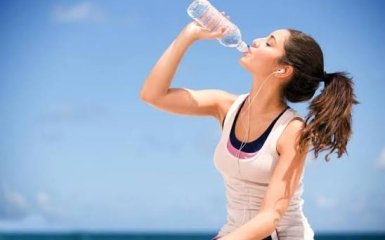
On a hot day, the body loses water and minerals through sweat—primarily sodium and chloride, but also smaller amounts of potassium, magnesium, and calcium. These minerals are often called electrolytes.
Points of attention
- Electrolytes such as sodium and potassium are lost through sweat during heat, so it is important to maintain electrolyte balance to maintain health.
- Plain water and a balanced diet can be sufficient sources of electrolytes for most people on a hot day.
- Electrolyte drinks and supplements are useful during prolonged physical exertion or heavy sweating, but it is necessary to follow the recommendations for use.
However, this does not mean that after every summer walk you need to drink a sports drink or buy electrolyte tablets. For most healthy people who do not perform prolonged physical work in the heat, losses are successfully compensated for with plain water and normal food.
Electrolyte drinks become more relevant when a person sweats heavily for several hours, exercises in the heat, works physically outdoors, or loses a significant amount of fluid through vomiting or diarrhea.
We analyze which electrolytes the body needs, where to find them in food and drinks, how to understand that water may not be enough, and why excessive enthusiasm for electrolytes is also not always beneficial.
What are electrolytes and why are they needed?
Electrolytes are minerals that have an electrical charge in body fluids.
The main ones include:
sodium;
potassium;
chloride;
magnesium;
calcium;
phosphates;
bicarbonate.
They are involved in maintaining fluid balance between cells and the environment, transmitting nerve impulses, muscle function, and regulating acid-base balance.
Sodium is especially important during sweating.
Sodium and chloride make up the majority of electrolytes lost through sweat, with potassium, calcium, and magnesium losses typically being much smaller.
Therefore, the popular idea that after a heat event, the first thing you need to do is “restore magnesium” simplifies real physiology.
Are electrolytes needed every hot day?
Usually, no.
If you:
you are in the office or at home;
go outside from time to time;
do not train intensely;
eat normally;
you do not have vomiting or diarrhea,
Plain water can remain the main drink.
Food throughout the day provides sodium, potassium, magnesium, and other minerals.
The CDC notes that water is usually the best option for staying hydrated, and sports drinks with electrolytes may be needed when heavy sweating lasts for several hours.
In other words:
Heat in itself is not an indication for an electrolyte drink.
What matters is how much fluid and salts you actually lost.
When electrolytes can be especially helpful in hot weather
There are several situations where the need becomes significantly higher.
Long training
For example:
run;
bicycle;
football;
tennis;
a long hike.
Especially if the exercise lasts for more than an hour and is accompanied by heavy sweating.
Physical work outdoors
Construction, agricultural work, working in protective clothing, or other physical activity in the heat can cause significant sweat loss over several hours.
Very heavy sweating
Some people naturally sweat much more than others.
A characteristic sign of large salt losses is noticeable white salt traces on clothes after sweat dries.
Diarrhea or vomiting
Here, the body loses water and electrolytes in a different way. In such a situation, what is needed is not ordinary sports drinks, but properly balanced oral rehydration solutions.
Heat cramps
Painful muscle cramps after heavy sweating can be a sign of heat stress. The WHO recommends moving to a cool place, resting, and drinking fluids containing electrolytes.
Sodium is the main electrolyte lost through sweat.
Sodium often gets a bad rap because of the association of excess salt with high blood pressure.
However, the body needs sodium.
It helps:
regulate the volume of extracellular fluid;
maintain normal blood circulation;
transmit nerve impulses;
provide muscle contraction.
During heavy sweating, its losses can increase significantly.
Where to get sodium
In a normal diet, its deficiency is rare, as sodium is found in a large number of foods.
Sources can be:
table salt;
soup and broth;
cheese;
bread;
salty foods;
part of the prepared food.
That is why after a typical summer day, a person often needs just water and a normal dinner.
There is no need to intentionally add a lot of salt to water "for prevention".
Potassium: important for muscles, nerves and heart
Potassium is found mainly inside cells and plays an important role in:
muscle work;
transmission of nerve signals;
normal heart function;
fluid regulation;
blood pressure control.
For adults, the estimated adequate intake is about 3,400 mg per day for men and 2,600 mg for women.
Products with potassium
Good sources are:
potato;
beans and lentils;
tomatoes;
spinach;
bananas;
dried fruits;
avocado;
yogurt and milk;
fish;
nuts.
Therefore, you can restore potassium with regular food.
After a summer workout, for example, it's perfectly fine to combine water with a regular meal of potatoes or grains, vegetables, and a protein source.
Magnesium: An Electrolyte, But Not a Cure for Cramps
Magnesium is involved in hundreds of enzymatic reactions and is important for:
nervous system function;
muscle contraction;
energy metabolism;
maintaining a normal heart rhythm.
Good food sources:
pumpkin seeds;
almond;
cashews;
legumes;
whole grain products;
spinach;
peanut;
chia seeds.
With a normal diet, a healthy person does not automatically need to take magnesium just because it is hot outside.
Muscle cramps can occur for many reasons, not exclusively due to magnesium deficiency.
Additionally, large doses of magnesium in supplement form can cause diarrhea, nausea, and abdominal cramps.
Where to get electrolytes from food
In fact, a separate electrolyte product is often not needed at all.
A normal diet can provide several essential minerals at once.
For example:
Yogurt + banana + nuts
Provides fluid, potassium, calcium, magnesium, and a small amount of sodium.
Potatoes + fish + salad
Potatoes contain potassium, fish contains protein and a number of minerals, and a little salt in the finished dish provides sodium.
Soup or broth
It provides water and sodium, and vegetables and other ingredients add potassium and other nutrients.
Beans + vegetables + whole grain bread
A good combination of potassium and magnesium with sodium, which is usually present in bread and ready meals.
After several hours of activity in the heat, such food, along with water, can be a sufficient way to recover.
Are sports drinks with electrolytes useful?
Yes, but for specific situations.
A typical sports drink contains:
water;
sodium;
other electrolytes;
carbohydrates.
Carbohydrates also perform a function here: they provide additional energy during prolonged exercise.
Such a drink may be practical if a person:
trains for a long time;
sweating heavily;
works for several hours in the heat;
should continue physical activity.
For a short walk, commute, or half an hour of leisurely exercise, a sports drink is usually not necessary.
In addition, some ready-made foods contain a lot of sugar and calories.
If energy is not needed during training, it is worth looking at the composition, and not just focusing on the inscription "electrolytes" on the bottle.
Electrolyte tablets and powders: are they necessary?
Soluble tablets and electrolyte powders can be convenient:
athletes;
tourists;
people who work a lot in the heat;
during long trips in the heat.
But the compositions are significantly different.
One product may contain mostly sodium.
Another one has very little sodium, but a lot of magnesium.
The third is a significant amount of sugar.
Therefore, before using it, you should look at:
how much sodium is in a serving;
how much potassium;
is there magnesium;
how much sugar;
What volume of water is the portion designed for?
More electrolytes does not automatically mean a better product.

Rehydration solution and sports drink are different things
This is an important distinction.
Pharmacy oral rehydration solution is designed primarily to restore water and salts in the event of significant fluid loss, such as due to diarrhea.
The WHO formula contains a specially selected ratio:
sodium;
glucose;
potassium;
chloride;
citrate.
Glucose is needed here not just for taste. It helps sodium and water be absorbed in the small intestine.
A sports drink has a different purpose and may contain a completely different ratio of sodium and sugars.
Therefore, in cases of severe dehydration due to diarrhea, a sports drink should not be considered a full replacement for a standard pharmacy rehydration solution.
Is coconut water good for restoring electrolytes?
Coconut water contains:
lots of potassium;
water;
a little sodium;
small amounts of magnesium;
natural carbohydrates.
Therefore, it can be a pleasant drink after physical activity.
Small studies show that it may be comparable to plain water or some sports drinks in terms of fluid replacement.
But for people who have been sweating profusely for several hours, there is one drawback: Coconut water is often relatively low in sodium compared to its potassium content.
Therefore, after a very long load, it is not always the optimal sole means of recovery.
And milk?
Milk contains:
water;
sodium;
potassium;
calcium;
carbohydrates;
white.
Studies on recovery from exercise have shown that milk can be a good way to help retain fluid intake.
It can be especially interesting after a workout, as it provides protein and carbohydrates at the same time.
However, drinking milk while working long hours in the heat is not comfortable for everyone because of the feeling of heaviness.
People with lactose intolerance need a lactose-free option or another beverage.
Can you just drink salt water?
There is no need to specifically drink very salty water.
Excess salt can:
to cause severe thirst;
worsen the taste of the drink;
create an excessive sodium load.
It is especially undesirable for people with:
hypertension;
heart failure;
kidney diseases.
With normal sweating, sodium is easily returned with food.
If true medical rehydration is needed, it is safer to use a standard pharmacy solution and prepare it exactly as directed.
Why it's dangerous to drink too much plain water
Almost everyone knows about dehydration.
Much less is known about the opposite problem.
If, during hours of exertion, a person loses sodium through sweat and at the same time drinks an excessive amount of plain water, the sodium concentration in the blood can drop too low.
This condition is called hyponatremia .
In severe cases, it is life-threatening.
Possible symptoms:
nausea;
headache;
weakness;
confusion of consciousness;
cramps.
That's why the "drink as much water as possible" strategy is also wrong.
NIOSH recommends drinking regularly for people who work physically in the heat, but notes that total fluid intake should generally not exceed about six cups per hour.
For the average person, there is no need to try to force themselves to drink huge amounts of water.
How to understand that the body lacks fluid
Mild dehydration can manifest itself as:
thirsty;
dry mouth;
headache;
fatigue;
weakness;
dizziness;
darker urine;
less frequent urination.
During the heat, it is also possible:
heavy sweating;
muscle cramps;
nausea.
Urine color is only a rough guide. Light yellow urine often indicates normal hydration, but vitamins, food, and some medications can affect the color.
When the heat becomes dangerous
Fluid loss is not the only problem with high temperatures.
Heat exhaustion can manifest itself as:
heavy sweating;
headache;
dizziness;
weakness;
nausea;
rapid heartbeat.
The person should be moved to a cool place, stopped physical activity, cooled, and given fluids if they are conscious and can drink normally.
Signs of possible heat stroke
Particularly dangerous are:
confusion of consciousness;
disorientation;
cramps;
loss of consciousness;
very high body temperature;
sharp deterioration of condition.
Heat stroke is an emergency.
In such a situation, you should call emergency medical help and actively cool the person, rather than trying to solve the problem with a bottle of electrolyte drink.
Who should not increase electrolytes on their own?
Particular caution is needed for people with:
chronic kidney disease;
heart failure;
hypertension;
sodium or potassium level disorders;
the need to limit fluid.
Some medications can also alter electrolyte balance.
For example:
diuretics;
ACE inhibitors;
angiotensin receptor blockers;
potassium-sparing diuretics.
In such a situation, “extra potassium just in case” can be dangerous.
The same goes for potassium-based table salt substitutes.

6 mistakes with electrolytes in the summer
1. Drinking a sports drink instead of water all day
If you barely sweat, there's no need to do this. It can just add extra sugars and sodium.
2. Consider any weakness as an electrolyte deficiency
Headaches and fatigue can be caused by overheating, lack of sleep, infection, low blood pressure, and many other reasons.
3. Take magnesium after every cramp
Muscle spasm does not prove magnesium deficiency.
4. Drink liters of clean water during long-hour workouts
Overhydration can also disrupt electrolyte balance.
5. Use a sports drink instead of a rehydration solution for severe diarrhea
These products have different purposes.
6. Thinking that “natural” means safe in any quantity
Coconut water, mineral supplements, and electrolyte powders may also contain significant amounts of potassium, sodium, or magnesium.
A simple algorithm: what to drink in the heat
A normal hot day
Water + normal balanced diet.
A short walk or light workout
Usually water is enough.
Intense workout for up to an hour
For most people, water remains the primary option, and electrolytes can be obtained from food after exercise.
Several hours of heavy sweating
A drink with sodium and other electrolytes may be appropriate.
Diarrhea or vomiting with significant fluid loss
It is better to use a pharmacy oral rehydration solution according to the instructions.
Chronic heart or kidney disease
The fluid and electrolyte regimen should be agreed with your doctor.
Conclusion
In the heat, the body does lose electrolytes through sweat, but most people don't need special supplements after every time they go outside.
If you don't do a lot of physical work or sweat for hours during the day, it's usually easy to get your water and electrolytes from regular foods and drinks. Sodium comes from salty foods and prepared meals, potassium from potatoes, legumes, vegetables, fruits, and dairy products, and magnesium from nuts, seeds, greens, and whole grains.
Sports drinks and electrolyte powders make sense primarily for significant sweat loss. Pharmacy rehydration solutions are needed for another task - restoring water and salts in case of dehydration, particularly due to diarrhea.
The main principle in the heat is simple: do not wait for severe dehydration, drink regularly and correlate the amount of water and electrolytes with the actual load .
Important: the material is for informational and educational purposes only and does not constitute medical advice, diagnosis, or individual recommendations for treatment or rehydration. Self-medication and uncontrolled use of electrolyte supplements can be harmful to your health. If you have kidney disease, heart disease, high blood pressure, sodium or potassium disorders, are taking diuretics or other medications that affect electrolyte balance, consult your doctor first. In case of confusion, convulsions, fainting, or suspected heat stroke, emergency medical care is required.
FAQ
What electrolytes does the body lose through sweat?
Sodium and chloride are the most commonly lost substances, with smaller amounts of potassium, calcium, and magnesium also lost through sweat.
Do I need to drink electrolytes every day in the summer?
For most healthy people, no. Unless you're sweating profusely for hours, water and a normal diet are usually sufficient.
Where to get electrolytes without sports drinks?
Sodium can be obtained from common salty foods, potassium from potatoes, legumes, bananas, tomatoes, and dairy products, and magnesium from nuts, seeds, green vegetables, and whole grains.
What is better in the heat - water or an electrolyte drink?
For everyday hydration, water remains the primary choice. An electrolyte drink may be more beneficial after several hours of heavy sweating.
Does coconut water help restore electrolytes?
Yes, it contains a lot of potassium and small amounts of sodium and magnesium. However, if you sweat a lot, it may not have enough sodium.
Can I drink salt water instead of electrolytes?
In normal heat, this is not necessary. In cases of significant dehydration, it is safer to use a standard pharmacy rehydration solution with the correct ratio of sodium and glucose.
Do I need magnesium if my legs hurt in the heat?
Not necessarily. Cramps can be caused by fatigue, heat stress, exercise, and other factors. A single episode of cramp does not prove a magnesium deficiency.
Can there be too many electrolytes?
Yes. Too much sodium, potassium, or magnesium can be dangerous, especially if you have kidney disease, heart disease, or are taking certain medications.
How is a sports drink different from a pharmacy rehydration solution?
A sports drink is designed primarily to maintain fluid, salt, and energy levels during exercise. A pharmacy solution has a standardized ratio of glucose and electrolytes to treat or prevent dehydration, particularly from diarrhea.
How do you know when dehydration is starting in the heat?
Thirst, dry mouth, weakness, headache, dizziness, darker urine, and less frequent urination may occur. Seek immediate medical attention if you experience confusion, seizures, or fainting.

