
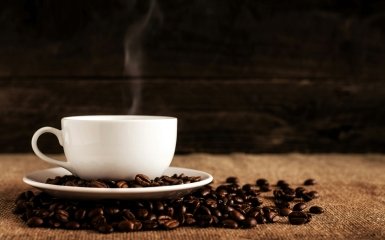
Have you had a cup of coffee and after half an hour you feel your heart beating faster or harder? In most healthy people, a brief heart palpitations after caffeine does not in itself indicate heart disease. Caffeine stimulates the central nervous system, blocks adenosine receptors, and can temporarily increase feelings of alertness, anxiety, and heart palpitations. The reaction depends on the dose, coffee habit, genetics of caffeine metabolism, sleep, stress level, medications taken, and other factors.
At the same time, it is important to distinguish a normal, brief heartbeat from a sustained tachycardia or rhythm disturbance. Recurrent attacks, a very fast or irregular pulse, and heartbeats with chest pain, shortness of breath, severe dizziness, or fainting require special attention.
Short answer: is it normal for your heart rate to increase after drinking coffee?
Yes, in some people this can be a normal short-term reaction to caffeine.
Coffee can increase the activity of the sympathetic nervous system. Because of this, a person can:
feel your heartbeat more strongly;
notice a slight acceleration of the pulse;
to feel inner tension;
have trembling hands;
become more agitated or anxious.
An important nuance: feeling a strong heartbeat does not always mean that the pulse rate has increased significantly .
A person can feel their heartbeat very clearly even at a normal rate. That is why it is useful not only to assess the sensation, but also to actually count the pulse.
How caffeine affects the heart
Caffeine blocks the action of adenosine, a substance involved in the regulation of drowsiness, vascular tone, and other processes.
The result may be a temporary increase in nervous system activity and the release of catecholamines, particularly adrenaline.
That is why after strong coffee sometimes occur:
palpitation;
increased blood pressure;
feeling of a surge of energy;
trembling;
increased alertness;
anxiety;
sweating.
The reaction is not the same for everyone.
A person who drinks two cups of coffee a day for years may barely notice any cardiovascular effects. The same drink can cause significant heart palpitations in someone who consumes almost no caffeine.
What pulse is considered normal?
In an adult, a typical resting heart rate is considered to be approximately 60–100 beats per minute .
A pulse rate of more than 100 beats per minute at rest is called tachycardia.
But the number itself cannot be evaluated without context.
The pulse naturally increases after:
physical activity;
emotion;
stress;
climbing stairs;
heat;
pain;
caffeine;
nicotine.
Therefore, a reading of 105 beats per minute immediately after a brisk walk to a coffee shop and the same pulse in a person who has been sitting quietly for 20 minutes are different situations.
If you need to assess your pulse, it is best to sit down, sit quietly for a few minutes, and only then measure it.
Heart palpitations, tachycardia, and arrhythmia are not the same thing.
These terms are often confused.
Heart palpitations are a subjective sensation. A person feels like their heart is beating fast, hard, unevenly, "jumping" or skipping a beat.
Tachycardia is an objectively increased heart rate, usually over 100 beats per minute at rest.
Arrhythmia is a disturbance in the normal heart rhythm. The heart may beat too fast, too slow, or irregularly.
Coffee can make your heartbeat more noticeable even without dangerous arrhythmia.
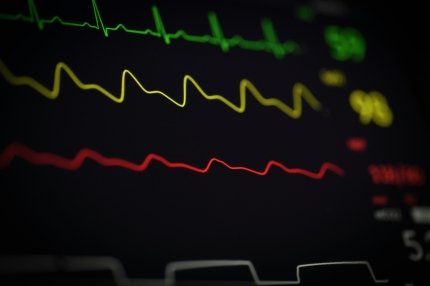
That is why the phrase "after coffee I have arrhythmia" requires caution if the rhythm was not recorded by an electrocardiogram or other monitoring method.
Does coffee cause arrhythmia?
This issue has long been a subject of controversy.
Current cardiological recommendations do not confirm the need to completely abandon caffeine for all people with rhythm disorders.
Specifically, for atrial fibrillation, studies of habitual caffeine consumption generally do not show an increased risk of seizures. Therefore, routinely banning coffee solely for the purpose of preventing atrial fibrillation is not considered warranted.
At the same time, an individual reaction is possible.
If a person clearly notices that symptoms regularly appear after caffeine, reducing its amount is quite logical.
An interesting result was obtained in the randomized CRAVE study, in which participants wore a continuous ECG monitor. Caffeinated coffee did not cause a statistically significant increase in the number of premature atrial contractions. At the same time, more premature ventricular contractions and less sleep time were recorded on coffee days.
This shows once again: the heart's reaction to caffeine is more complex than the rule "coffee causes arrhythmia."
Why one cup of coffee affects people differently
Even two identical cups of Americano can cause completely different reactions in different people.
Caffeine habit
With regular consumption, some of the effects of caffeine become less pronounced due to the body's adaptation.
Therefore, a person who hardly drinks coffee may react much more strongly to the same dose.
Genetics
The rate at which caffeine is metabolized varies from person to person. Some people break it down faster, while others do it more slowly.
That's why some people have almost no effect on their sleep, while others feel its effects for many hours.
Sleep deprivation
People often drink more coffee after a bad night's sleep. At the same time, sleep deprivation itself increases the activity of stress systems.
The combination of “three hours of sleep + double espresso + work stress” can feel completely different than the same coffee after a full rest.
Anxiety
Caffeine can increase feelings of nervous tension.
For someone prone to anxiety or panic attacks, a rapid heartbeat can set off a cycle of:
the pulse increased slightly → the person noticed it → got scared → adrenaline was released → the heart beat even faster.
In such a situation, the symptoms are real, even if the initial heart rate increase was small.
How much caffeine can you consume?
For most healthy adults, up to 400 mg of caffeine per day is considered a level that is not usually associated with negative effects.
But 400 mg is not a target dose and not a universal guarantee of safety.
Some people experience heart palpitations after just 50–100 mg.
And the main problem is that “one cup of coffee” says nothing about the actual amount of caffeine.
It depends on:
type of grain;
brewing method;
amount of ground coffee;
volume of the drink;
extraction time.
A large filter coffee can contain much more caffeine than a small espresso.
Caffeine also comes from tea, cola, energy drinks, matcha, chocolate, pre-workout supplements, and some medications.
Therefore, it is necessary to estimate the total consumption per day.
What to do if your heart beats fast after coffee
If the palpitations are minor, not accompanied by dangerous symptoms, and gradually disappear, you can start with simple steps.
Don't drink another coffee.
The most obvious solution is to not add another dose of caffeine.
On this day, it is also better to give up energy drinks and other concentrated sources of stimulants.
Sit down calmly.
If a person is anxious and constantly paces around the room, physical activity can further maintain a high heart rate.
Sit down, rest for a few minutes, and assess how you feel.
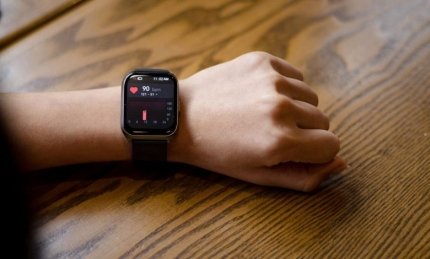
Count your pulse.
Don't rely only on your feelings.
Count your heart rate for one minute or use a validated device if available.
Notice if the pulse appears regular.
Mention other stimulants
Coffee could have been just one of the ingredients.
Ask yourself:
was there an energy engineer today;
Did you take any cold remedies?
whether nicotine was used;
was there a pre-workout complex;
whether you have taken other stimulant drugs.
Combining several stimulants can produce a much more noticeable effect.
Will water help?
Water is not an antidote to caffeine and cannot instantly "wash" it out of the body.
However, maintaining normal hydration is beneficial, especially if a person has been drinking little, has been in the heat, has exercised, or has consumed alcohol.
There is no need to force yourself to drink several liters of water in an attempt to speed up the elimination of caffeine.
The body needs time to metabolize it.
Does food help?
If coffee was drunk on an empty stomach and caused tremors, nausea, or a feeling of weakness, a normal meal may improve subjective well-being.
But food also does not "neutralize" already absorbed caffeine.
In the future, a person who does not tolerate strong coffee on an empty stomach can try drinking a smaller portion with or after breakfast.
How to reduce heart palpitations after coffee in the future
The easiest thing is to find your own tolerable dose.
You can try:
order a smaller volume;
choose a drink with less coffee;
partially switch to decaffeinated coffee;
do not drink several servings in a row;
do not combine coffee with energy drinks;
do not use caffeine as a permanent compensation for sleep deprivation;
track reactions to different types of coffee.
Decaffeinated coffee also contains a small amount of caffeine, but usually much less than regular coffee.

Does coffee raise blood pressure?
Caffeine can briefly raise blood pressure, especially in people who consume it irregularly.
With regular consumption, the body partially adapts, so the reaction often becomes weaker.
This does not mean that all people with hypertension should give up coffee forever. The effect of regular moderate coffee consumption on cardiovascular risk is different from the short-term effect of a single dose of caffeine.
If a person has hypertension and wants to understand their own reaction, it is more useful to compare correctly measured blood pressure before coffee and after a certain time, rather than drawing a conclusion based on one random indicator.
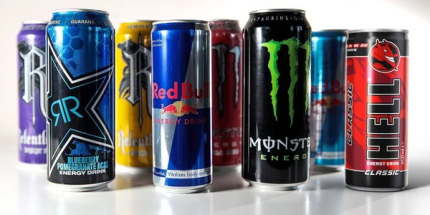
An energy drink is not the same as a cup of coffee
Heart palpitations after energy work require special attention.
In such drinks, caffeine can be combined with other stimulating ingredients, and large cans allow you to quickly get a significant dose.
A particularly undesirable combination:
coffee + energy drink + nicotine + lack of sleep + intense training.
Each of these factors can affect the pulse and the subjective sensation of heartbeat.
Cases of arrhythmias have been described after very large doses of caffeine and high-caffeine energy drinks, so the rule "if 400 mg is acceptable for most, then 800 mg will simply be more invigorating" is dangerous.
When it may not be about the coffee
If your heart palpitations recur, you shouldn't automatically attribute everything to caffeine.
Similar symptoms may occur with:
anemia;
iron deficiency;
increased thyroid function;
fever;
dehydration;
anxiety disorders;
heart rhythm disorders;
significant blood loss;
some infections;
taking certain medications;
excessive alcohol consumption;
use of nicotine and other stimulants.
Therefore, the situation “I took the coffee away, but the seizures remained” is an argument to look for another reason.
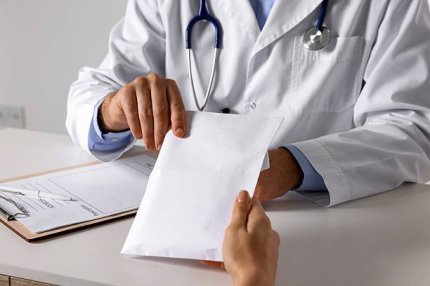
When to make an appointment with a doctor
A routine medical evaluation is advisable if the palpitations:
repeated regularly;
becomes more frequent or stronger;
occurs without caffeine;
lasts longer than before;
accompanied by a steady pulse of over 100 beats per minute at rest;
felt as a distinctly irregular rhythm;
started suddenly for no apparent reason;
occurs in a person with known heart disease;
accompanied by a family history of dangerous arrhythmias or sudden death at a young age.
To find the cause, your doctor may use an electrocardiogram, blood tests, thyroid function tests, or longer-term rhythm monitoring, such as a Holter monitor.
When emergency help is needed
You shouldn't wait for the "coffee to wear off" if your heart palpitations are accompanied by dangerous symptoms.
Urgent care is needed when a rapid or irregular heartbeat occurs along with:
pain or severe discomfort in the chest;
severe shortness of breath;
fainting;
a state close to fainting;
severe dizziness;
sudden severe weakness.
Such symptoms should not be attributed to caffeine alone.
If a very fast heartbeat appears for the first time and does not go away within a few minutes, this is also a reason for urgent evaluation, especially if cardiovascular disease is present.
Should I give up coffee completely?
In most cases, no.
If small amounts of coffee are well tolerated, there is no medical reason to automatically eliminate it just because of fear of a rapid heart rate.
Complete avoidance makes more sense if caffeine consistently provokes unpleasant symptoms or if a doctor has recommended it based on a specific condition.
For many people, reducing the dose is enough.
For example:
two large coffees → one small;
double espresso → single;
regular coffee → a mixture of regular and decaffeinated.
The body does not receive additional benefits from the amount of caffeine that causes tremors, anxiety, and rapid heartbeat.
How to test your own reaction to coffee
A simple diary helps better than trying to guess the reason.
For one to two weeks, write down:
type and approximate volume of coffee;
time of its use;
other sources of caffeine;
pulse to drink;
pulse during symptoms;
was the rhythm regular;
how long the symptoms lasted;
stress level;
amount of sleep;
nicotine;
taken medications.
Such information will help you notice a pattern.
It may turn out that one morning coffee does not cause problems, and heart palpitations occur only after a second large serving against the background of lack of sleep.
Or vice versa — even a small dose consistently causes unpleasant symptoms.
Conclusion
A slight, brief increase or decrease in heart rate after drinking coffee can be a normal reaction to caffeine in a healthy person. This symptom alone does not mean that coffee is damaging the heart or causing a dangerous arrhythmia.
At the same time, the frequency, duration, regularity of the pulse, and accompanying symptoms are important. If the palpitations are recurring, become more pronounced, occur without caffeine, or are accompanied by a high resting pulse, it is better to check the cause.
And chest pain, shortness of breath, severe dizziness, or fainting with a rapid heartbeat require urgent medical evaluation.
FAQ
Why does my heart rate increase after coffee?
Caffeine stimulates the nervous system and blocks adenosine receptors. In sensitive people, this can temporarily increase heart rate, tremors, and feelings of internal tension.
What pulse rate after coffee is considered dangerous?
There is no single universal number. At rest, a rate of more than 100 beats per minute is considered tachycardia, but the cause, duration, and presence of other symptoms are important. Severe or prolonged acceleration is best evaluated by a doctor.
How long can heart palpitations last after coffee?
The effect depends on the dose and the rate of metabolism of caffeine. A small heart palpitations may gradually subside over several hours. If the attack lasts a long time, recurs, or worsens, you should not automatically attribute it to coffee.
Can coffee cause arrhythmia?
Regular moderate caffeine consumption does not demonstrate a convincing increase in the risk of atrial fibrillation. However, individual sensitivity exists, and very large doses of caffeine and energy drinks may create a different situation.
Can I drink coffee if I have arrhythmia?
This depends on the type of arrhythmia and the individual's response. Current guidelines do not automatically require all people with atrial fibrillation to give up caffeine. If coffee consistently triggers symptoms, it is advisable to reduce its amount and discuss this with your doctor.
Does coffee increase blood pressure?
Caffeine can temporarily raise blood pressure, especially in people who consume it irregularly. With regular use, the reaction is often less pronounced.
How much caffeine can you consume per day?
For most healthy adults, up to 400 mg of caffeine per day is not usually associated with negative effects. However, individual tolerance may be much lower, so you should also be guided by your own symptoms.
What to do if your pulse is 110 after coffee?
If you are at rest, sit down, rest, and remeasure your pulse. Do not consume additional caffeine. If tachycardia persists, recurs regularly, or is accompanied by shortness of breath, chest pain, severe dizziness, or fainting, medical evaluation is necessary.
What is better for heart palpitations — decaffeinated coffee?
For someone who is sensitive to caffeine, decaffeinated coffee may be a more convenient alternative. It still contains a small amount of caffeine, but usually much less.
Should I give up coffee forever if my heart beats faster?
Not necessarily. You can start by reducing the amount you consume, not combining multiple sources of caffeine, and see how you react. If symptoms occur even after a small amount or occur without coffee, it's worth looking for another cause.

