

You’ve cut back on sweets, started exercising, and are watching your portions — but your weight is barely changing. In such a situation, it’s easy to decide that your “metabolism is broken,” that hormones are to blame, or that your body is supposedly refusing to give up fat. In fact, a plateau during weight loss happens very often. The reason may be quite mundane: you’ve consumed a little more calories than you think, your daily activity has decreased after training, your body weight has changed, and with it your energy needs. At the same time, there are factors that really require medical attention: certain medications, hypothyroidism, polycystic ovary syndrome, and other conditions.
It is also important to distinguish between no fat loss and no lower number on the scale . Water, intestinal contents, glycogen, and the menstrual cycle can mask real changes in fat mass for several days.
Here are 12 reasons to check out if you're trying to lose weight but your results have stalled.
1. You consume more calories than you think
This is a very common situation and does not mean at all that a person is deliberately deceiving themselves.
It is difficult to estimate the energy value of food by eye.
Studies comparing food records with objective methods of estimating energy expenditure have long shown that people often underestimate their actual energy intake.
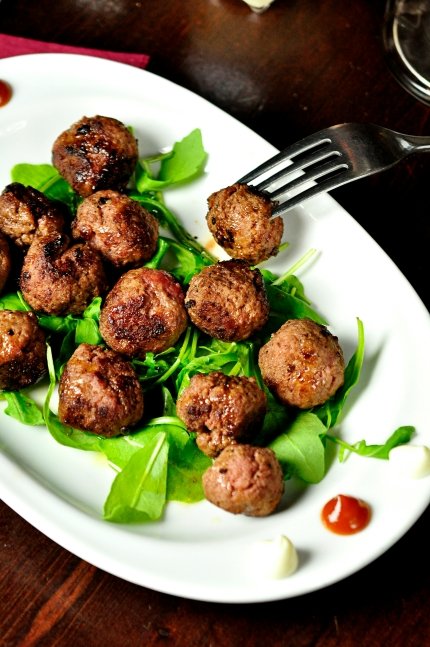
It is especially easy to overlook:
oil for frying;
sauces;
nuts;
cheese;
coffee with milk and syrup;
a few spoonfuls of food during cooking;
alcohol;
small snacks;
"one piece" of dessert;
larger portions in restaurants.
For example, a tablespoon of oil provides about 120 kcal. If you pour it into a pan without measuring, the difference between the conventional one and three tablespoons is almost imperceptible on the plate, but amounts to about 240 additional kilocalories.
What to do
You don't have to weigh your food your whole life.
But if your weight doesn't change for several weeks, it's helpful to write down everything you eat and drink as honestly as possible for 7–14 days.
Such an audit often reveals the problem better than a new diet.

2. After losing weight, the body needs less energy
Let's imagine that a person weighed 100 kg and started losing weight on a certain calorie intake.
After a few months, she weighs 90 kg.
A smaller body usually requires less energy for:
maintaining basic functions;
movement;
performing the same physical work.
Therefore, the calorie intake that previously created a deficit can gradually approach the level of maintaining the new weight.
That's why weight loss rarely follows a completely straight line.
The NIDDK models take this effect into account and show why the old rule of thumb of “a 500-calorie deficit every day always results in the same amount of weight loss” is oversimplified.
What about "metabolic adaptation"?
During weight loss, energy expenditure sometimes decreases slightly more than can be explained by lower body weight alone.
This effect is called adaptive thermogenesis.
It exists, but the popular statement is:
"I eat very little, but my body has gone into starvation mode and can't lose weight anymore"
exaggerates its importance.
Systematic reviews show that the magnitude of additional metabolic adaptation varies greatly between individuals and is often relatively small in well-conducted studies.
It may complicate the process, but it does not cancel the energy balance.
3. You exercise more, but move less throughout the day
Three workouts a week does not mean that overall activity has increased.
After a difficult lesson, a person may unconsciously:
sit more;
walk less often;
use the elevator instead of the stairs;
lie down in the evening instead of walking;
gesticulate and move less.
Such everyday movements are included in the so-called NEAT - non-exercise physical activity .
This is the energy we expend outside of special training: walking, standing, cleaning, climbing stairs, and working around the house.
Studies show that after starting a training program, some people actually experience a decrease in non-training activity. This is how the body partially compensates for the costs of exercise.
Practical conclusion
Don't judge movement only by the number of workouts.
See also:
how much do you walk every day;
how long do you sit;
Have the steps changed since starting the diet?
how active they are on weekends.
Sometimes, walking regularly throughout the day does more for overall energy expenditure than trying to add another grueling workout.

4. You “compensate” for your workouts with food
After a good run, it's very easy to think:
"I burned a lot today, so I can afford more."
The problem is that it is difficult to accurately estimate calories burned.
Watches, treadmills, and exercise machines only give approximate estimates.
And food, on the contrary, is very easy to underestimate.
For example, after training a person:
drinks a large latte;
takes a protein bar;
orders a larger dinner;
adds dessert "for what it deserves."
As a result, much of the deficit created by training disappears.
This does not mean that you need to stay hungry after sports.
It is better to plan a regular meal with:
protein;
vegetables;
a source of carbohydrates;
moderate amounts of fat.
And don't consider sports a license to eat unlimited amounts of food.
5. You are not getting enough sleep.
Sleep is often ignored because it supposedly "doesn't burn calories."
In fact, insufficient sleep can affect appetite, food choices, self-control, and physical activity.
The NHLBI lists poor quality sleep as a factor associated with an increased risk of weight gain and obesity.
There is also experimental data.
In a randomized trial of overweight adults who habitually slept less than 6.5 hours, an increase in sleep duration of approximately 1.2 hours was associated with an average of approximately 270 kcal lower daily energy intake compared with the control group.
This does not mean that an extra hour of sleep is guaranteed to "burn 270 kcal" for every person.
But sleep may well affect how easy it is to stick to a deficit.
How much sleep
For most adults, a guideline is at least about 7 hours, and many need about 7–9 hours.
If you sleep 5–6 hours and constantly struggle with evening hunger, you should work on more than just your menu.
6. Stress increases appetite — but doesn’t “block fat burning” with magical cortisol
On social networks you can often see:
"You won't lose weight because of high cortisol."
This is an overly simplistic explanation.
Stress can really affect weight.
Prolonged stress in some people leads to:
more frequent snacks;
overeating;
cravings for high-calorie foods;
sleep disturbance;
less physical activity;
increased alcohol consumption.
Hormonal mechanisms, including cortisol, are also involved in the regulation of energy balance.
But this does not mean that ordinary work stress creates a physiological barrier that makes it impossible to lose fat even with a real energy deficit.
And there is no need to order a cortisol test yourself because of a weight plateau.
The exception is Cushing's syndrome.
This is a real, but much rarer disease in which the body has an excess of cortisol for a long time.
Among the characteristic possible signs:
weight gain mainly in the trunk area;
relatively thin arms and legs;
roundness of the face;
wide purple stretch marks;
easy bruising;
muscle weakness.
It is impossible to diagnose such a condition based on excess weight alone.
7. You regularly underestimate the weekend
Monday to Friday:
deficit, home-cooked food, training.
On Saturday:
breakfast in a cafe, pizza, alcohol, dessert.
On Sunday:
brunch, restaurant and snacks before the series.
This is not "bad" in itself.
The problem arises when two days completely cover the deficit created over the previous five.
Conditional example:
a deficit of 300 kcal for five days = 1500 kcal.
An additional 750 kcal on Saturday and 750 on Sunday - and the weekly deficit is practically gone.
That's why it's more useful to look at your diet over the week, rather than judging yourself by one "ideal" day.

8. Alcohol gives you a lot of energy without you noticing it.
One gram of alcohol provides approximately 7 kcal.
That's almost twice as much as a gram of protein or carbohydrates.
To this are added:
sugar in cocktails;
juices;
syrups;
tonic;
appetizer.
Alcohol can also weaken control over eating.
After a few drinks, it's much easier to order a pizza at 1am than to cook a planned dinner.
Therefore, if the weight is worth it, it is worth counting alcohol as honestly as oil or desserts.
9. Medications can affect weight
Some medications can actually contribute to weight gain or make it more difficult to control.
These may include some:
antidepressants;
antipsychotic drugs;
antiepileptic drugs;
glucocorticoids;
medications for the treatment of diabetes, including insulin and sulfonylureas;
some high blood pressure medications;
antihistamines.
The mechanisms are different.
Some can increase appetite, others can alter energy expenditure or contribute to fluid retention.

Importantly
Do not stop taking a necessary medication on your own because of weight concerns.
Abruptly stopping some medications can be dangerous.
If you start gaining weight after starting a new medication, talk to your doctor. Sometimes there is a different dose, schedule, or alternative that will have less of an impact on your weight.
10. Sometimes the cause is really a disease
A popular myth goes like this:
"If you don't lose weight, get your hormones checked."
It is not necessary to check “all hormones” for every person with a plateau.
But there are diseases that can affect body weight.
Hypothyroidism
With insufficient thyroid function, the following may occur:
fatigue;
frostbite;
dry skin;
constipation;
slowing of the pulse;
weight gain.
However, the NIDDK emphasizes that fatigue and weight gain are very common and do not, by themselves, indicate thyroid disease.
Polycystic ovary syndrome
PCOS may be accompanied by:
irregular menstruation;
signs of excess androgens;
acne;
excessive hair growth;
difficulties with weight control.
Cushing's syndrome
A much rarer condition associated with prolonged excess cortisol.
There are other medical reasons.
Therefore, tests should be selected based on symptoms and medical history, rather than ordering a universal "hormone check."
11. Menopause can change fat composition and distribution
Weight control sometimes becomes more difficult for middle-aged women.
This does not boil down to the formula:
"After 45, hormones turn off metabolism."
During the menopausal transition, estrogen and progesterone levels change, and the distribution of fat tissue may also change — more fat accumulates in the abdominal area.
At the same time, weight is affected by:
age;
decrease in muscle mass;
sleep;
less activity;
lifestyle.
The National Institute on Aging notes that during the menopausal transition, the body begins to use energy differently, and weight gain may occur more easily.
But losing weight after menopause remains possible.
The following are especially useful:
strength training;
sufficient amount of protein;
regular physical activity;
control of total calories;
normalization of sleep.

12. Fat can decrease while weight temporarily stays the same
Body weight is not just fat.
The figure is affected by:
water;
glycogen;
food in the digestive system;
salt;
carbohydrates;
hormonal fluctuations;
training.
After heavy strength training, muscles may temporarily retain more fluid.
After a salty restaurant dinner, the weight sometimes increases the next morning.
In many women, it fluctuates noticeably throughout the menstrual cycle.
This does not mean that a kilogram of adipose tissue was formed overnight.
Why one day shows nothing
Let's say you actually lost 300 g of fat in a week.
At the same time, the body retained 700 g of additional fluid.
The scales will show:
+400 g.
And it's easy to draw the wrong conclusion:
"Diet doesn't work."
That's why it's more useful to estimate your average weight over 7–14 days, rather than a single number after waking up.
How to track weight correctly
If daily weighing does not cause anxiety, you can do it:
in the morning;
after the toilet;
before meals;
in approximately the same clothes or without them;
on the same scales.
Then compare the average values for the week .
Another option is to weigh yourself 2–3 times a week under the same conditions as possible.
Additionally, you can track:
waist circumference;
fitting of clothes;
photographs in the same conditions;
strength indicators.
A single number on the scale does not describe all changes in body composition.
When is this a real plateau?
Three days without weight loss is not a plateau.
And even a week often means nothing.
Due to normal fluid fluctuations, it is more practical to speak of a plateau when the average weight does not show a downward trend for several weeks , even though the diet and activity plan is actually being followed.
Then it is worth reviewing the system.
What to do if the weight is standing still: a 7-step algorithm
1. Don't cut food abruptly
The first reaction is often:
"From tomorrow they will be half as much."
It is better to understand the reason first.

2. Check the actual diet
For 7–14 days, consider:
drinks;
sauces;
oil;
snacks;
weekend;
alcohol.
3. Look at the weight trend
Don't judge the result by two mornings.
4. Check household activity
Have you started walking less since you started training?
5. Evaluate your sleep
If you consistently get five hours of sleep, working on a regimen can be an important part of your weight management program.
6. Review your medications
Especially if the weight gain or plateau began after the new appointment.
7. Consult a doctor if you have any accompanying symptoms
For example, if severe fatigue, menstrual irregularities, swelling, muscle weakness, unusual skin changes, or other new symptoms occur along with the weight change.
What not to do when you plateau
Organize a detox
It does not address the cause of the plateau.
Take diuretics
Water loss is not fat loss.
Start fasting for a few days
This may impair diet tolerability and increase the risk of failure.
Buy "cortisol blockers"
For ordinary stress, such supplements are not a proven solution to the weight problem.
Taking thyroid hormones on your own
Without hypothyroidism, this can be dangerous.
Add workouts daily without recovery
More exercise doesn't always mean a greater overall deficit, especially if you're less active the rest of the day due to fatigue.
When to see a doctor
Medical evaluation is especially appropriate if weight gain or failure to gain is accompanied by the following symptoms:
constant severe fatigue;
severe frostbite;
constipation;
noticeable swelling;
menstrual cycle disorders;
new excessive hair growth;
muscle weakness;
wide purple stretch marks for no apparent reason;
sudden changes in weight;
severe thirst or frequent urination;
symptoms of depression or episodes of loss of control over eating.
It is also worth discussing the situation with your doctor if obesity is already affecting your health.
Modern obesity treatment may include nutrition, physical activity, behavioral support, drug therapy, and in some cases, surgical treatment.
It is wrong to reduce everything to willpower.

Conclusion
If your weight has stopped decreasing, this does not mean that “something is wrong” with your body.
Most often, you need to check the entire system: the actual calorie content of the diet, weekends, drinks, household activity, sleep, and how energy needs have changed after the weight you have already lost.
At the same time, medications, hypothyroidism, PCOS, Cushing's syndrome, and other medical factors can indeed affect weight, so symptoms that go beyond the usual plateau should not be ignored.
And most importantly: a number on the scale over a few days does not equal a change in body fat . Evaluate the trend over a few weeks and adjust your plan based on the data, not after one bad weigh-in.
Important: The material is for informational and educational purposes only and is not medical advice, diagnosis, or individual recommendation for weight loss or obesity treatment. Self-medication with hormonal drugs, diuretics, laxatives, supplements, or weight loss medications can be harmful to your health. If your weight changes for no apparent reason, you have chronic diseases, or other symptoms, consult your doctor first.
FAQ
Why am I eating little but not losing weight?
There can be several reasons. The actual calorie content is sometimes higher than it seems due to oil, drinks, sauces, snacks and weekends. After losing weight, energy needs also decrease. Less often, medications or diseases affect.
Can metabolism stop weight loss?
Energy expenditure during weight loss decreases, and sometimes additional metabolic adaptations occur. However, metabolism does not “turn off” and does not make fat loss physiologically impossible in a real, prolonged energy deficit.
Can lack of sleep prevent you from losing weight?
Yes. Insufficient sleep is associated with an increased risk of weight gain and can affect appetite and eating behavior. In a controlled study, increased sleep duration in people who were regularly sleep deprived was accompanied by decreased energy intake.
Can stress block weight loss through cortisol?
Normal stress doesn't create a magical "cortisol fat block." But it can increase appetite, disrupt sleep, reduce activity, and provoke emotional overeating. The pathological excess of cortisol in Cushing's syndrome is a separate medical problem.
What hormones can prevent you from losing weight?
Endocrine disorders, including hypothyroidism, polycystic ovary syndrome, and Cushing's syndrome, can affect weight. However, there is no need to test all hormones without an indication.
Can weight stay the same even though fat is decreasing?
Yes. Water retention, glycogen, food in the digestive tract, salt, exercise, and the menstrual cycle can all temporarily mask fat loss.
How long can a weight loss plateau last?
Short stops of a few days or a week or two can be normal fluctuations. If your average weight doesn't change over a few weeks, it's worth reviewing your actual diet, activity, and other factors.
Can antidepressants prevent you from losing weight?
Some antidepressants can cause weight gain, but the effect depends on the specific drug and the person. You should not stop taking the medication on your own - you should discuss possible alternatives with your doctor.
Why doesn't the weight drop after starting training?
The reason may be fluid retention after exercise, increased appetite, compensatory reduction in movement during the day, or an overestimation of calories burned during exercise.
When should you see a doctor about weight loss problems?
If a plateau is accompanied by sudden weight gain, severe fatigue, swelling, menstrual irregularities, muscle weakness, unusual skin changes, or other new symptoms, it is worth undergoing a medical evaluation.

