

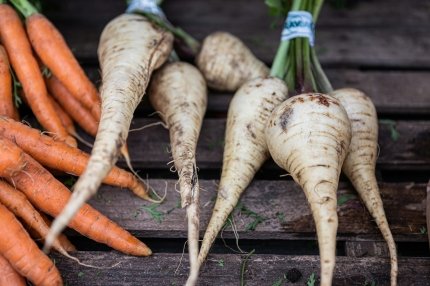
Parsnips are easily confused with white carrots, but they are a separate product in terms of taste and nutritional composition. They are sweet, with nutty and spicy notes, and are good for soups, stews, purees and baking, and after heat treatment they become even softer and sweeter. The main nutritional advantage of parsnips is a combination of fiber, potassium, folate and vitamin C. 100 g of raw root vegetable contains about 75 kcal, 18 g of carbohydrates and about 5 g of fiber. They also contain about 375 mg of potassium, 67 mcg of folate and 17 mg of vitamin C. But calling parsnips a product that "heals the heart", "burns fat" or "protects against cancer" would be an exaggeration. Some of its plant compounds are indeed actively studied, but for many of the potential effects, clinical evidence in humans is not yet enough.
What is parsnip and what does it taste like?
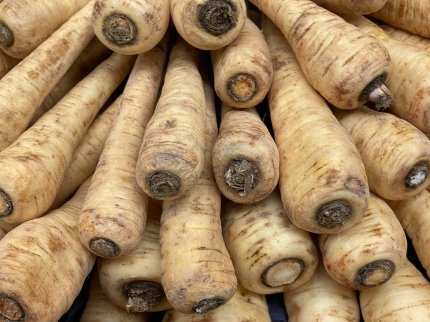
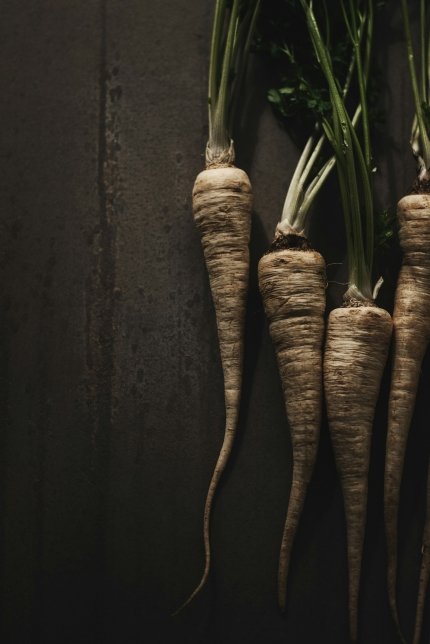
Parsnip is a root vegetable from the umbelliferae family, which also includes carrots, parsley, and celery. The edible part of the plant is the light-colored, elongated root.
Raw parsnips resemble carrots in texture, but their flavor is more complex: sweet, slightly earthy, spicy, and nutty.
After baking, the natural sweetness becomes more pronounced, which is why parsnips work well in dishes that typically use potatoes, carrots, or celeriac.
It can be:
bake;
cook;
stew;
add to soups;
to puree;
to fry;
to cook on the grill;
add a small amount of raw root to salads.
Nutritional value of parsnip
100 g of raw parsnip contains approximately:
75 kcal;
18 g of carbohydrates;
4.9 g of fiber;
1.2 g of protein;
0.3 g fat;
375 mg of potassium;
29 mg of magnesium;
67 mcg of folate;
17 mg of vitamin C.
This makes it more nutritious than many other root vegetables in terms of fiber and some micronutrients.
At the same time, parsnips contain more carbohydrates and calories than carrots, turnips, or celeriac. For example, 100 g of carrots contains about 41–48 kcal, while parsnips contain about 75.
Therefore, parsnip should not be perceived as a "dietary vegetable without restrictions," but as a satisfying root vegetable.
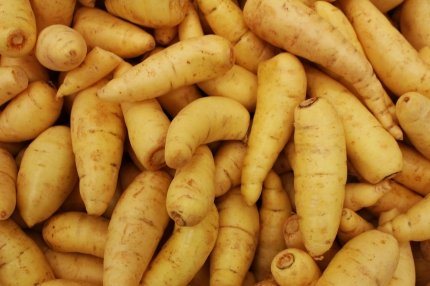
1. Parsnips are high in fiber.
Almost 5 g of fiber per 100 g is a significant amount for one product.
Dietary fiber is necessary for normal bowel movements and maintaining intestinal function. Some fiber is used by intestinal bacteria as a substrate for fermentation.
In practical terms, this means that a parsnip side dish may be a better source of dietary fiber than refined side dishes like white rice or white flour products.
There is an important caveat: if a person previously ate little fiber, it is not worth sharply increasing its amount. A large portion of parsnips together with legumes and raw vegetables can cause bloating.
It is better to increase the amount of fiber gradually.
2. Potassium supports normal heart and muscle function
Parsnips contain approximately 375 mg of potassium per 100 g.
Potassium is necessary for the normal functioning of the nervous system, muscles, and heart and is involved in the regulation of blood pressure.
This does not mean that a plate of parsnips can treat hypertension.
It's more useful to look at the bigger picture: a diet with enough vegetables, fruits, legumes, and other sources of potassium is usually more beneficial for cardiovascular health than a menu with a lot of salt and a small proportion of plant foods.
People with kidney disease who have been advised by their doctor to limit potassium should adjust the amount of parsnips they consume to their diet.
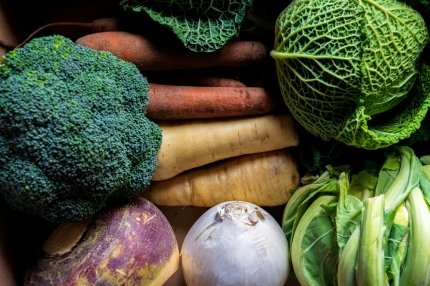
3. Parsnips are a good source of folate
100 g of parsnip contains about 67 mcg of folate.
Folates are natural forms of vitamin B9, needed for cell division and DNA synthesis.
This makes parsnips a useful addition to the diet alongside green vegetables, legumes, avocados, and other sources of folate.
But it is important not to exaggerate its role here.
For people planning a pregnancy, regular folate-rich foods do not replace the recommendations for preventive folic acid intake. Parsnips can be part of the diet, but are not a specific alternative to supplements designed to prevent neural tube defects.
4. Vitamin C complements the autumn diet
Parsnips contain about 17 mg of vitamin C per 100 g.
Vitamin C is involved in collagen synthesis, immune system function, and cell protection from oxidative stress.
However, the claim that parsnips “strengthen immunity” to the point of helping to avoid colds would be too strong.
In addition, some of the vitamin C is destroyed during prolonged heat treatment. If parsnips are cooked for a long time in a large amount of water, less of it will remain than in raw root vegetables.
This does not make boiled or baked parsnips "useless": fiber, potassium, and many other components do not disappear anywhere.
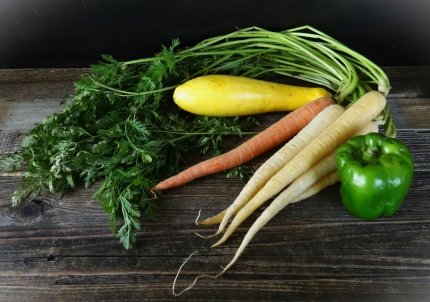
5. The plant compounds of parsnip are being actively studied
Parsnip contains flavonoids, polyacetylenes, coumarins, furanocoumarins, and other biologically active substances.
Polyacetylenes such as falcarinol and falcarindiol attract particular attention from researchers.
In laboratory and experimental models, such compounds have demonstrated anti-inflammatory, antimicrobial, and other biological activities.
But there is a fundamental difference between:
"the substance affects cells in the laboratory"
"a regular serving of parsnip treats or prevents a specific disease in a person."
There is relatively little clinical research on parsnip itself, so it is premature to attribute medicinal properties to it.
6. Parsnips are very filling.
Parsnips contain fiber, water, and starchy carbohydrates, so a serving of this side dish can provide a fairly long-lasting feeling of satiety.
This is useful for controlling calorie intake, but the product itself does not have fat-burning properties.
The difference is determined by the method of preparation.
For example:
baked parsnip with herbs and a little oil - one dish;
Parsnips generously drizzled with oil, honey, and cream sauce are completely different in terms of energy value.
Therefore, when losing weight, it is important to evaluate the entire dish.

7. Parsnips can be used instead of part of the potatoes
One of the easiest ways to get to know parsnips is not to cook them separately, but to replace them with part of a regular side dish.
For example, for puree you can use:
half a potato;
half a parsnip
The taste will become sweeter and spicier, and the dish will gain more variety in composition.
Parsnip also goes well with:
carrots;
pumpkin;
celery;
potatoes;
mushrooms;
lentils;
chickpeas;
chicken;
beef;
fish;
thyme;
rosemary;
garlic.
8. Can you eat parsnips with diabetes?
It is possible, but it is important to consider the portion.
Parsnips are a starchier root vegetable than carrots and contain approximately 18 g of carbohydrates per 100 g.
It is sometimes mistakenly classified as a very low glycemic index food. In fact, available reference data more often classifies parsnips as a medium glycemic index food, although the exact value depends on the preparation method and the specific serving.
This does not mean that parsnips are forbidden for diabetes.
Important:
portion size;
total amount of carbohydrates in the meal;
cooking method;
combination with protein, fats and other vegetables.
For example, a small portion of baked parsnips with fish and salad is a completely different meal than a large plate of mashed potatoes made with several root vegetables.
9. Is parsnip useful for a vegetarian diet?
Yes, but not for the reason you sometimes hear.
Parsnips contain folate, thiamine, and other B vitamins, but they cannot replace key nutrients that require special attention in a vegan diet.
In particular, parsnips are not a reliable source of vitamin B12.
Therefore, its advantage for a plant-based menu is simpler: it is another vegetable with fiber, minerals, and folate that helps to make the diet more diverse.
It is good to combine it with lentils, beans, chickpeas, tofu and other protein sources.
Parsnips or carrots: which is healthier?
There is no clear winner.
Carrots contain significantly more carotenoids, particularly beta-carotene, from which the body can produce vitamin A.
Parsnips, on the other hand, contain approximately more fiber, folate, potassium, and magnesium per 100 g, but also more carbohydrates and calories.
Conditionally:
carrots — less caloric and especially interesting as a source of carotenoids;
Parsnips are starchier, heartier, and rich in fiber and folate.
The best option is to not choose one vegetable, but to use both.
Parsnip or potato
Parsnips may resemble potatoes in their uses, but their taste and nutritional profile are different.
Parsnips are sweeter and spicier. They are good for baking and pureeing, but are not a low-carb or low-calorie substitute for potatoes.
Its main advantage is diversity.
If a person eats potatoes every day, adding parsnips, pumpkin, celeriac, and other vegetables makes the menu broader in terms of fiber and phytonutrients.
How to best cook parsnips
Baking
One of the tastiest ways.
The root is cut into cubes, a little oil and spices are added, and baked until soft and golden brown.
Rosemary, thyme, garlic, and black pepper work well.

Puree
Parsnips can be cooked and chopped separately or mixed with potatoes, cauliflower, or celeriac.
Because of its natural sweetness, it pairs well with spicy spices.
Soup
Parsnips add density to cream soups without a lot of cream.
It goes especially well with carrots, pumpkin, onions, and lentils.
Ragout
During prolonged stewing, the root vegetable becomes tender and partially gives off the sweetness of the sauce.
It is a good component of vegetable and meat stews.
Do you need to peel parsnips?
Young, small root vegetables can often be washed well enough and finely peeled if necessary.
The skin of large, mature roots may be rougher, so it is best to remove it.
Also, the core of a very large parsnip can sometimes become tough. If it is fibrous, you can cut it out before cooking.
Parsnips darken quickly after cutting, so it is best to cook them immediately.
How to choose a good parsnip
Look for firm root vegetables without soft areas, significant damage, and signs of rot.
A medium-sized parsnip often has a more tender texture than a very large one.
It is not necessary to look for perfectly flat roots: the shape has almost no effect on the taste.
To store parsnips, it is best to keep them in the refrigerator in the vegetable compartment and not wash them until well before use.
Important warning: the leaves and sap of the plant can irritate the skin
Edible parsnip root in normal culinary amounts is safe for most people.
But the plant itself contains furanocoumarins. Special care is required when coming into contact with the sap of the leaves and stems of wild parsnip.
If plant sap gets on the skin and the area is then exposed to ultraviolet radiation, phytophotodermatitis can develop — a reaction with redness, blisters, and subsequent pigmentation.
For a regular store-bought root vegetable, the main risk is much lower. The warning applies most to working with the above-ground parts of the plant, especially wild ones.
Is there an allergy to parsnip?
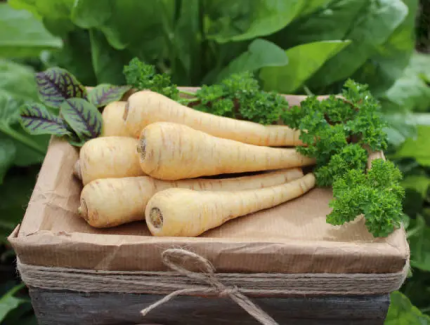
Yes, although it is much less common than allergies to many other foods.
Reactions with itching and tingling in the mouth, swelling of the lips or tongue, rhinitis and contact skin reactions have been described. Cross-reactions with other members of the umbelliferae family are possible.
If you regularly experience itching in the mouth, swelling, or other allergic symptoms after eating raw parsnips, it is best not to retest the product yourself.
How much parsnip can you eat?
There is no specific official daily allowance for parsnips.
For most healthy adults, a serving of about 100–200 g as part of a meal can fit well into a balanced diet.
But there is no need to eat it every day.
It is much more useful to alternate different vegetables:
parsnip;
carrots;
beet;
pumpkin;
cabbage;
broccoli;
celery root;
greens;
legumes.
Variety provides a wider range of fiber, vitamins, minerals, and plant compounds.

Conclusion
Parsnips are a nutritious fall root vegetable that is high in fiber for a vegetable, as well as potassium, folate, and vitamin C. They are heartier and starchier than carrots, making them great for baking, soups, purees, and stews.
Its main benefit lies not in its "medicinal" properties, but in the fact that parsnip helps diversify the plant part of the diet and increase fiber intake.
The easiest way to start is to replace some of the potatoes in your mashed potatoes with it or bake it with carrots, pumpkin, and spices.
FAQ
What are the benefits of parsnip?
Parsnips are high in fiber, as well as potassium, folate, magnesium, and vitamin C. They can be a useful part of a varied vegetable diet.
How many calories are in parsnips?
100 grams of raw parsnips contain approximately 75 calories. This is more than carrots or turnips, as parsnips contain more starchy carbohydrates.
Which is healthier - parsnips or carrots?
Both vegetables are healthy. Carrots are higher in carotenoids and lower in calories, while parsnips are higher in fiber, folate, and potassium. It's best to include both in your diet.
Can you eat parsnips while losing weight?
Yes. It is high in fiber and filling. However, parsnips are not a very low-calorie vegetable, so portion size and cooking method are important.
Can you eat parsnips with diabetes?
Yes, in a controlled portion. Parsnips contain approximately 18g of carbohydrates per 100g and are among the starchier vegetables. Their glycemic index is often considered to be in the medium range.
Can you eat parsnips raw?
The root of cultivated parsnip can be eaten raw if it is washed well and the product is well tolerated. Raw parsnip is firmer and has a more pronounced spicy flavor.
Do I need to peel parsnips?
Wash young roots well enough and peel them finely if necessary. The skin and center of large, mature roots may be coarser.
Is parsnip good for the intestines?
It contains about 5 g of fiber per 100 g, so it helps increase your overall fiber intake. This promotes normal bowel movements and supports intestinal microbiota.
Can parsnip cause allergies?
Yes, allergic reactions are possible, although they are rare. Itching and tingling in the mouth, swelling of the lips or tongue, and contact skin reactions have been described.
Why shouldn't you touch wild parsnips in the sun?
The sap of the stems and leaves contains furanocoumarins. After contact with the skin and subsequent exposure to solar ultraviolet light, they can cause phytophotodermatitis with redness, blisters, and pigmentation.

