
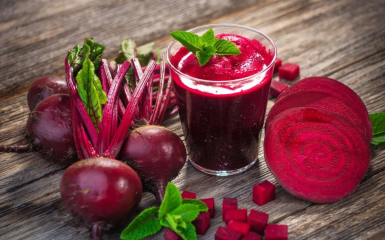
Beets are often seen as a common ingredient in soups, vinaigrettes, and salads. However, this root vegetable has an interesting combination of fiber, folate, potassium, natural nitrates, and the plant pigments betalains. It is the nitrates in beets that have attracted the most attention from researchers due to their potential effects on blood vessels, blood pressure, and physical performance.
Points of attention
- Beets contain fiber, folate, potassium, nitrates, and betalains, which are beneficial for health.
- Beetroot nitrates may affect blood pressure and physical endurance
- Beets are a source of folate and fiber, contributing to a healthy diet.
- Eating beets may be beneficial for the gastrointestinal tract and microbiota
- Eating beets in moderation is safe, but people with certain medical conditions need to be careful.
But beets should not be turned into a "superfood" that supposedly cures anemia, cleanses the liver, or protects against all cardiovascular diseases. Some of the popular claims have a scientific basis, while others are based mainly on laboratory experiments or small studies.
Let's find out what exactly is known about the benefits of beets, which form is better to choose, and who needs to be more careful with them.
What is in beets?
Beets are a relatively low-calorie vegetable. According to the USDA Food Database, 100 grams of raw beets contain approximately 43 calories, 9.6 grams of carbohydrates, 1.6 grams of protein, and about 2.8 grams of dietary fiber. They also contain potassium, magnesium, manganese, and folate.
The peculiarity of beets is determined by two groups of substances.
The first is inorganic nitrates . In the body, some of them are converted to nitrites, and then to nitric oxide. Nitric oxide is involved in the regulation of vascular tone and blood flow.
The second is betalains , natural red and purple pigments. In experimental studies, they have shown antioxidant and anti-inflammatory properties, although most of the strong claims about their medicinal effects are still based on preclinical rather than large clinical studies.
1. Beets may have a moderate effect on blood pressure
The best-studied property of beets is related to its nitrates.
After consuming nitrates, some of them are converted to nitrites by oral bacteria and then to nitric oxide in the body. It helps relax vascular smooth muscle and can reduce vascular resistance.
A 2024 meta-analysis of 11 randomized trials involving 349 people with hypertension found that nitrate-rich beetroot juice reduced office systolic blood pressure by an average of about 5 mmHg. However, the researchers found no significant effect on diastolic and daytime blood pressure, and the level of certainty in the evidence was assessed as low.
That is, beets can be a useful component of the diet if you are prone to high blood pressure, but are not an alternative to antihypertensive drugs.
People who are already taking blood pressure medication or are prone to hypotension should consider large concentrated portions of beet juice with caution.
2. Beetroot Nitrates May Support Physical Endurance
It is this property that explains the popularity of concentrated beet juice among runners, cyclists, and other athletes.
The nitrate-nitrite-nitric oxide pathway can affect muscle efficiency and oxygen utilization during exercise.
A large systematic review of 123 studies and over 1,700 participants found a small but statistically significant improvement in exercise performance after nitrate intake. Better results were seen with nitrate intake from beetroot juice or foods than from some nitrate salts.
This doesn't mean that a plate of beet salad will instantly make your workout easier. Sports research often uses standardized concentrated juices where the specific amount of nitrate is known.
For the average person, beets can be considered one of the healthy vegetables in the diet, not as sports doping from the refrigerator.
3. Beets are a good source of folate
100 grams of raw beets contain approximately 109 mcg of folate. This is a significant amount for a common vegetable.
Folate is a natural form of vitamin B9. It is needed by the body for DNA synthesis and normal cell division. The daily requirement of an adult is about 400 mcg in terms of dietary folate equivalents. The requirement increases during pregnancy.
Beets can therefore be one of the sources of folate along with green vegetables, legumes, nuts, and other foods.
But dietary folate from beets should not be used in place of recommended folic acid supplements before and during early pregnancy.
4. Beets are good for the intestines thanks to their fiber
Whole beets contain dietary fiber, which increases the volume of intestinal contents and promotes regular bowel movements.
Fiber is also used by some colon bacteria as a substrate for fermentation, so fiber-rich vegetables are an important part of a microbiota-friendly diet.
However, there is an important difference between whole beets and beet juice .
When making juice, a significant portion of the fiber remains in the cake. Therefore, baked, boiled, or raw beets are usually more beneficial in terms of satiety and fiber intake for daily nutrition.
Beet juice is more interesting as a concentrated source of nitrates, rather than as a vegetable replacement.
5. Beets can help increase the amount of vegetables in your diet
One of the most underrated benefits of beets is much simpler than talking about antioxidants.
This is an affordable vegetable that can be used to prepare many different dishes:
salads with feta or sour milk cheese;
baked beets with herbs;
beets with nuts;
vegetable soups;
beetroot hummus;
salads with legumes;
side dishes for meat and fish.
If beets help you eat more vegetables and fiber and less ultra-processed foods, the benefits may outweigh the effects of any single nutrient.
6. Do beets help control blood sugar?
This issue is more complicated than is often presented in popular articles.
A 2024 systematic review looked at studies of various beetroot products and their effects on glycemic control. The results were mixed, with some studies showing positive changes and others finding no significant effect. The authors concluded that there was not enough evidence to reliably attribute a blood sugar-lowering effect to beetroot.
Beets themselves contain natural sugars, but they also contain water and fiber, so a moderate portion of the whole vegetable can be part of a balanced diet for people with diabetes.
The situation is different with concentrated juices: they are easier to drink in large quantities, they are less filling, and contain less fiber.
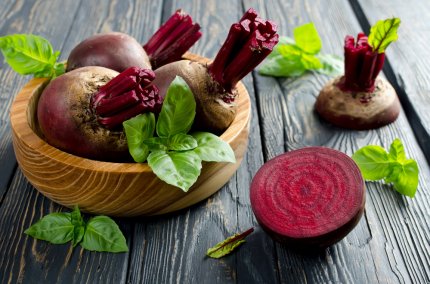
7. Betalains May Have Antioxidant Properties
The rich burgundy color of beets is primarily provided by betalains.
In cellular and animal models, these compounds have demonstrated the ability to affect oxidative stress and several inflammatory signaling pathways. Current reviews describe promising antioxidant and anti-inflammatory potential, but emphasize the need for better quality clinical studies in humans.
A few small clinical trials have also reported changes in some markers of inflammation after consuming beetroot juice, but this is not enough to call beets a treatment for chronic inflammation.
It is more practical to consider it one of the colorful vegetables that complement a varied plant-based diet.
8. Are beets good for the brain?
The theoretical basis for this assumption is related to nitric oxide and blood circulation.
Small early experiments demonstrated changes in cerebral blood flow and certain measures of cognitive performance after nitrate use.
However, the results of longer-term studies are much more modest. For example, a 13-week randomized trial in overweight people aged 60–75 found no improvement in cognitive function or measured cerebral blood flow after regular consumption of nitrate-rich beetroot juice.
Therefore, phrases like "beetroot improves memory" still sound stronger than clinical evidence allows.
9. Do beets help with anemia?
This is one of the most common myths.
The red color of beets has nothing to do with hemoglobin. It is due to plant pigments.
100 g of raw beetroot contains approximately 0.8 mg of iron. For comparison, the recommended daily intake is about 8 mg for adult men and 18 mg for women aged 19–50. In addition, plant-based foods contain non-heme iron, which is less easily absorbed than heme iron from animal products.
Beets can be part of a balanced menu for iron deficiency, but treating iron deficiency anemia with beet juice is wrong.
The presence of anemia must be confirmed by tests and its cause must be determined.
10. Do beets “cleanse” the liver?
The phrase "cleanses the liver" has no clear medical meaning.
The liver is constantly involved in the metabolism and detoxification of various substances and does not need a special "detox" with beetroot juice.
There is some clinical work on beets for fatty liver disease. For example, one 2023 randomized trial showed improvements in some laboratory and ultrasound parameters after beet juice, but one trial is not enough to consider this approach a proven treatment.
In liver disease, weight control, physical activity, nutrition, alcohol restriction, and treatment of the specific cause of the disease remain much more important.
11. Beets can be a convenient product for controlling calorie intake
Approximately 43 kcal per 100 g make beets a relatively low-calorie product.
This does not mean that beets “burn fat.” But a large serving of vegetable salad with beets can have significantly less energy value than the same volume serving of many ready-made snacks.
At the same time, the final calorie content of the dish depends on the additives. Beets with a lot of mayonnaise, oil, cheese, and nuts can turn into a fairly high-calorie salad.
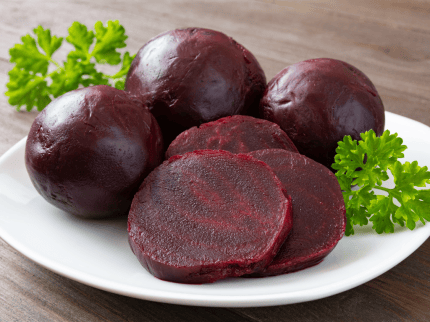
Raw, boiled or baked: which beetroot is healthier?
There is no clear winner.
Raw beets retain their crunchy texture and are great for salads. For some people, large amounts of the raw vegetable may be harder to digest.
Boiled beets are softer, suitable for salads and most traditional dishes.
Baked beets have a more concentrated sweet flavor and often require less sauce or dressing.
Beetroot juice contains concentrated nitrates, which is why it is most often used in clinical and sports research. But it is inferior to the whole vegetable in terms of fiber content.
For regular meals, you can alternate between different cooking methods.
How many beets can you eat per day?
There is no universal medical norm specifically for beets.
For a healthy person, a moderate portion of 100–200 g as part of a vegetable diet usually does not require special restrictions. Eating beets every day is also not necessary - a variety of vegetables is more important than concentrating on one product.
When it comes to concentrated beet juice, it shouldn't be equated to a regular serving of vegetables. Studies often use standardized doses with known nitrate content, while homemade juice can vary significantly in concentration.
Who needs to be careful with beets?
For most people, normal food portions are safe, but there are exceptions.
For calcium oxalate kidney stones
Beets are a high-oxalate food. People who are prone to calcium oxalate stones or have high urinary oxalate excretion may be advised to limit their intake.
However, for most people without a tendency to stone formation, a complete rejection of beets is not necessary.
With low blood pressure
Large doses of nitrates from concentrated beetroot juice may further lower systolic blood pressure in some people. This should be considered especially if taking antihypertensive medications.
With sensitive intestines
Large portions of beets may cause bloating or discomfort in sensitive individuals. Tolerance depends on the amount, preparation method, and individual digestive characteristics.
Why can urine or feces turn red after beets?
After eating beets, some people notice pink or red urine. This phenomenon is called beturia .
The color is caused by the pigments in the beetroot. It is estimated that beturia occurs in about 10–14% of people and is usually harmless.
Beets can also stain stool.
It's important to remember the context. If red urine or stool appears without previous beet consumption, persists for a long time, or is accompanied by pain and other symptoms, you shouldn't attribute the color change to food.
Interesting nuance: bacteria in the mouth are involved in the benefits of nitrates
The conversion of beet nitrates into biologically active compounds begins with the participation of oral bacteria.
Therefore, excessive use of strong antibacterial mouthwashes may partially disrupt this mechanism. In a controlled study, the use of an antibacterial mouthwash reduced the conversion of nitrate to nitrite and was associated with a small increase in systolic blood pressure.
This doesn't mean you should give up on the products prescribed by your dentist. But the example clearly demonstrates how closely nutrition, the microbiome, and human physiology are interconnected.
How to best add beets to your diet
The simplest approach is to treat it as one of many vegetables.
For example:
bake some root vegetables for a few days;
add beets to salads with greens;
combine it with legumes for a more filling dish;
serve with a protein source;
use as a garnish;
add a small amount of nuts or seeds;
Alternate beets with cabbage, carrots, tomatoes, peppers, and green vegetables.
This makes it easier to benefit from the product without having to drink concentrated juice every day or look for special "therapeutic" recipes.
Conclusion
Beets are a nutritious vegetable that is rich in fiber, folate, potassium, natural nitrates, and betalains. The strongest clinical evidence relates to the effects of nitrates on blood vessels, with modest reductions in systolic blood pressure and modest improvements in some measures of physical performance.
At the same time, beets do not treat anemia, do not provide "liver detox," and cannot replace medications for hypertension or diabetes.
For most people, this is a good way to add some variety to their diet. The greatest practical benefit comes not from regularly consuming a single “superfood,” but from eating a varied diet with enough vegetables, fruits, legumes, whole grains, and protein sources.
FAQ
Can you eat beets every day?
For most healthy people, a moderate amount of beets can be a regular part of their diet. However, eating them daily is not a prerequisite for their benefits. It is more important to eat a variety of vegetables.
How many beets can you eat per day?
There is no official specific intake for beets. For most people, about 100–200 g as part of a meal is a moderate portion. Individual tolerance may vary.
Which is healthier: boiled or raw beets?
Both options can be part of a healthy diet. Raw beets have a different texture and are minimally processed, while cooked or baked beets are easier to chew and often better tolerated by the digestive system.
Do beets lower blood pressure?
Nitrate-rich beetroot juice has been shown in clinical studies to modestly reduce systolic blood pressure in some people with hypertension. It is not a substitute for prescribed treatment.
Do beets help with anemia?
Beets contain folate and a small amount of iron, but are not an effective treatment for iron deficiency anemia. 100 g of raw beets contain approximately 0.8 mg of iron.
Can I eat beets with diabetes?
Regular whole beets can be included in a balanced diet in moderation. There is insufficient evidence that they significantly lower glucose levels on their own. Concentrated juice should be considered separately due to its lower fiber content.
Is beetroot juice healthy?
It is a concentrated source of nitrates, which is why it is often used in blood pressure and exercise performance studies. But whole beets have the advantage of fiber content.
Why is urine red after beets?
This could be beturia, a harmless excretion of beet pigments in the urine. It occurs in about 10–14% of people.
Who shouldn't eat a lot of beets?
People with a tendency to calcium oxalate kidney stones need to be especially careful, as beets are rich in oxalates. Large amounts of concentrated beet juice may also be undesirable if you have a tendency to low blood pressure.
undefined

