

Eggplant is a low-calorie vegetable with a high water content, fiber, and anthocyanin plant pigments. 100 g of raw eggplant contains about 25 kcal, about 3 g of fiber, and less than 0.2 g of fat. This makes it a convenient product for a balanced menu and calorie control.
Points of attention
- Eggplant is a low-calorie vegetable with high fiber and water content, convenient for a calorie-controlled diet.
- Eggplants help increase fiber intake, which has a positive effect on digestion and intestinal microflora.
- The purple skin of eggplants contains anthocyanins, which have antioxidant properties, but it is inappropriate to consider them a universal remedy.
However, popular claims that eggplants “burn fat,” treat high cholesterol, prevent cancer, or regulate blood sugar on their own are exaggerated by the available evidence. Most of the potential medicinal effects of individual substances in eggplant have been studied in the laboratory, in animals, or in small clinical trials.
The real benefit of eggplant is simpler: it is a nutritious vegetable that helps increase the proportion of plant foods and fiber in the diet.
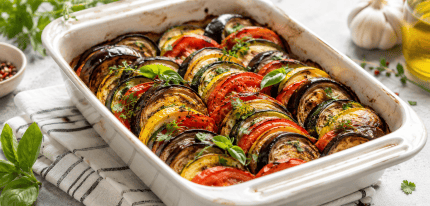
What is in eggplant?
According to current nutritional data, 100 g of raw eggplant contains approximately:
25 kcal;
5.9 g carbohydrates;
3 g of fiber;
1 g of protein;
0.2 g fat;
about 229 mg of potassium;
14 mg of magnesium;
22 mcg of folate;
small amounts of manganese, copper, vitamins B6, C and K.
About 92% of the mass of eggplant is water.
Therefore, calling it a "vitamin bomb" is not entirely correct: the concentration of most vitamins in it is moderate. Its value lies in the combination of low calories, fiber, and various phytonutrients.
1. Eggplants help you get more fiber
100 g of eggplant contains about 3 g of dietary fiber.
This is a pretty good figure for a vegetable, although eggplant itself cannot provide all of your daily fiber needs.
Adults are recommended to get at least about 25 g of natural dietary fiber per day from a variety of foods.
Good sources also include:
legumes;
whole grain cereals;
berries;
fruits;
vegetables;
nuts;
seed.
Fiber increases the volume of intestinal contents, supports normal bowel movements, and serves as a substrate for part of the intestinal microbiota.
Therefore, a serving of baked eggplant with beans, greens, and other vegetables can be a good way to increase your total dietary fiber intake.
If you were previously low in fiber, you should increase it gradually to avoid bloating and discomfort.
2. Purple skin contains anthocyanins
The dark purple color of many eggplant varieties is created by anthocyanins, a group of plant pigments from the flavonoid family.
One of the characteristic anthocyanins of eggplant is nasunin.
Most of these pigments are concentrated in the skin, although their amount varies significantly depending on the variety, color, growing conditions, and ripeness of the fruit.
In laboratory studies, nasunin and other polyphenols demonstrate antioxidant properties.
Antioxidant activity refers to the ability of a substance to interact with oxidative processes. But this does not mean that eggplant can treat specific diseases or “cleanse the body of free radicals.”
The human body has its own complex antioxidant defense system, and the benefits of plant foods are shaped by the entire diet.
Do I need to peel eggplant?
In most cases, no.
The peel is edible and contains a significant amount of anthocyanins.
Wash the young eggplant well, remove the stem, and cook with the skin.
You can clean it if:
the skin is very tough;
large overripe fruit is used;
a specific recipe requires a delicate texture;
The skin is poorly tolerated by the digestive system.
In other cases, it is quite appropriate to leave it.
3. Eggplants have a very low energy density
100 g of raw eggplant contains approximately 25 kcal.
This means that a fairly large portion of the vegetable itself contains little energy.
This property is convenient for weight control: eggplants can be used to increase the volume of a dish without a large increase in calories.
But there is an important "but".
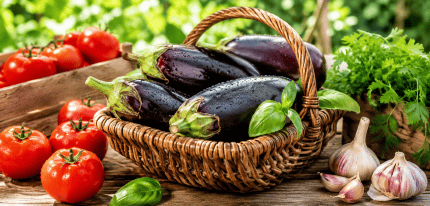
The cooking method can change everything
Eggplant flesh has a porous structure and absorbs oil well during frying.
Therefore, raw eggplant with 25 kcal and fried circles that have absorbed a few tablespoons of oil are completely different dishes in terms of calorie content.
If the goal is moderate calorie intake, it is better to:
bake;
to cook on the grill;
stew;
cook in an air grill;
use a small, controlled amount of oil.
Eggplant with lots of mayonnaise, cheese, or oil doesn't become "dietary" just because of the presence of the vegetable.
4. Do eggplants help you lose weight?
Eggplant itself does not burn fat.
To reduce fat mass, a long-term energy deficit is required — the body must expend more energy than it receives.
Eggplant can help indirectly: it is low in calories, contains water and fiber, and is a good bulk-builder.
There is a randomized trial in which overweight women were given a low-calorie diet and 13 g of eggplant flour per day. In some groups, a decrease in fat mass and changes in antioxidant status were observed.
But it is incorrect to transfer this result to ordinary baked eggplant. Concentrated flour was studied in combination with a specially selected hypocaloric diet.
Therefore, eggplant can be part of a weight loss diet, but is not a means for weight loss.
5. Eggplants can fit well into a glucose control diet
Eggplants are low in available carbohydrates and contain fiber.
That is why they can be a convenient vegetable component of the menu for people who are controlling their carbohydrate intake.
For example, eggplant can be combined with:
fish;
bird;
eggs;
lentils;
chickpeas;
tofu;
other vegetables.
However, saying that eggplants "lower blood sugar" is too categorical.
Some substances from eggplant have affected enzymes involved in carbohydrate digestion in laboratory experiments, but there is not enough clinical evidence to support the use of eggplant as a treatment for diabetes.
In diabetes, the entire diet, total carbohydrate intake, activity, drug therapy, and individual glucose response are important.
6. Potassium and fiber are beneficial in the context of a heart-healthy diet
Eggplant contains potassium and is virtually sodium-free unless salted during cooking.
Potassium is involved in the regulation of:
muscle contraction;
nerve impulses;
water and electrolyte balance;
blood pressure.
But 229 mg of potassium per 100 g does not make eggplant a record source of it.
More importantly, eggplant can be used as part of a diet with a wide variety of vegetables, fruits, legumes, and whole grains.
There is a small randomized trial of concentrated eggplant powder that showed modest reductions in blood pressure in some groups of participants. However, this result does not prove that a regular serving of eggplant works as a treatment for hypertension.
Similarly, older clinical studies do not confirm a strong cholesterol-lowering effect of eggplant.
So, eggplants are good for the cardiovascular menu as a vegetable, but they do not replace blood pressure or cholesterol medications.
7. Eggplant contains various plant bioactive compounds
In addition to anthocyanins, eggplants contain phenolic acids and other phytonutrients.
One of the characteristic substances is chlorogenic acid.
It is actively studied in the context of:
antioxidant activity;
glucose metabolism;
condition of blood vessels;
inflammatory processes.
However, most mechanistic data cannot be automatically translated into the statement “eggplant treats inflammation.”
The concentration of an individual substance in a laboratory experiment can differ significantly from the amount a person gets from a typical serving of food.
Therefore, the most evidence-based approach is to eat a variety of vegetables regularly, rather than trying to get the maximum dose of a single antioxidant.

8. Eggplants help diversify the vegetable part of the menu
This is one of the most underrated benefits.
The World Health Organization recommends that people over 10 years of age aim for at least 400 g of vegetables and fruits per day.
Eggplant may be one of them.
It is convenient to combine with:
tomatoes;
sweet pepper;
onion;
garlic;
greens;
chickpeas;
lentils;
yogurt sauces;
fish;
bird.
The same vegetable can be the basis of a stew, a baked side dish, a warm salad, a spread, or a vegetable appetizer.
The more diverse the plant-based menu, the wider range of fiber and phytonutrients a person receives.
Do eggplants protect against cancer?
Eggplants contain polyphenols and glycoalkaloids, which are being actively researched.
In particular, the substances solamargin and solasonin demonstrated the ability to affect tumor cells in laboratory experiments.
This is an interesting scientific observation, but it does not mean that eating eggplant treats or prevents cancer.
There is a huge difference between a substance that suppresses cells in a laboratory dish and the proven effect of regular food in humans.
There is no clinical evidence to recommend eggplant for the prevention of any specific cancer.
It is more correct to talk about the general benefits of a diet rich in various vegetables and fruits.
Nightshades and arthritis: should you give up eggplants?
Eggplants belong to the nightshade family, along with tomatoes, peppers, and potatoes.
On the Internet, you can find claims that all nightshades provoke joint inflammation due to solanine.
There is no convincing evidence of such a universal effect.
In addition, eggplant is primarily characterized by other glycoalkaloids — in particular, solasonine and solamargine.
There is no scientific basis to automatically exclude eggplant from the diet of all people with arthritis.
If a person has repeatedly noticed a clear worsening of symptoms after a particular product, this can be discussed with a doctor or nutritionist and individual tolerance checked.
But a large group of nutritious vegetables shouldn't be excluded "just in case" because of an internet myth.
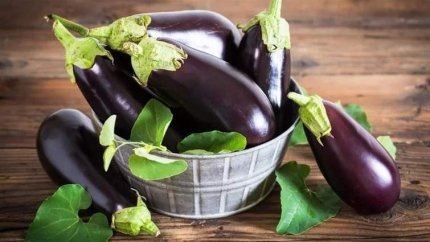
Is "solanine" in eggplant dangerous?
Edible ripe eggplants are considered safe for most people when consumed regularly.
Glycoalkaloids are natural defenses of plants in the nightshade family. In very high doses, certain compounds in this group can actually be toxic.
This, however, does not mean that a normal serving of cooked eggplant is poisonous.
Particular attention to glycoalkaloids is often paid to green or sprouted potatoes, where the concentration can increase significantly.
Fear of "eggplant solanine" is not a reason to exclude this vegetable from your regular diet.
Do you need to salt eggplants before cooking?
In the past, eggplants were often salted to remove their pronounced bitterness.
Modern varieties are usually much less bitter, so there is no mandatory need for this.
You can salt sliced eggplant in advance for culinary purposes — for example, to change the texture.
But for most dishes, it is enough:
wash the fruit;
cut;
add a small amount of oil and spices;
bake or grill.
For people who are advised to limit sodium, it makes no sense to generously salt eggplant just out of tradition.
The most beneficial way to cook eggplant
The amount of added fat is what matters most.
Baking
Cut the eggplant into slices or cubes, add a small amount of oil and spices and bake until soft.
Grill
Good for large slices. Requires very little oil.
Stewing
Eggplant can be cooked with tomatoes, peppers, onions, and legumes.
Baba ganush or other spreads
Baked eggplant goes well with tahini, lemon juice, garlic, and herbs. The calorie content of such a snack largely depends on the amount of tahini and oil.
Roasting
It's not a "forbidden" method, but eggplant can absorb a lot of oil. If you're watching your calorie intake, it's best to control the amount.
How to choose a good eggplant
Quality fruit usually:
elastic;
has smooth skin;
does not have large soft areas;
not wrinkled;
relatively heavy for its size;
has a fresh stalk.
Very large, overripe eggplants sometimes have a coarser texture, more seeds, and more pronounced bitterness.
The color doesn't have to be dark purple. There are white, striped, greenish, and light purple varieties.
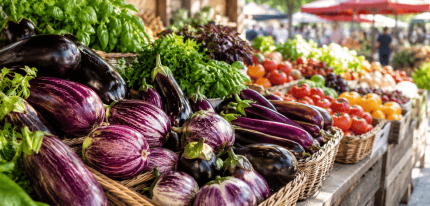
Who may not like eggplants?
For most people, eggplant is safe.
However, food allergies are possible. They are rare, but reactions of varying severity have been described in the scientific literature.
Possible symptoms:
itching in the mouth;
tingling tongue;
swelling of the lips;
rash;
difficulty breathing;
gastrointestinal symptoms.
If you experience swelling of your lips or tongue, difficulty breathing, sudden weakness, or other signs of a severe allergic reaction after eating eggplant, you need to seek emergency medical attention.
People with diseases that require a special therapeutic diet should evaluate the product better in the context of the entire diet.
Can you eat eggplant every day?
There is no specific medical standard for eggplants.
For a healthy person, they can be a regular part of the menu if they are well tolerated.
But there's no point in eating one vegetable every day for its "special antioxidants."
It is more practical to alternate:
eggplants;
zucchini;
tomatoes;
different types of cabbage;
carrots;
beet;
green;
legumes;
seasonal vegetables.
Dietary diversity provides much more benefit than concentrating on one “superfood.”
Conclusion
Eggplant is a low-calorie vegetable with a high water content, approximately 3 g of fiber per 100 g, and a variety of polyphenols. The purple skin contains anthocyanins, among which nasunin is characteristic of eggplant.
They can be regularly included in a healthy diet, especially when baked, stewed, or grilled with a moderate amount of oil.
While eggplants are not a cure for diabetes, high blood pressure, cholesterol, obesity, or cancer, their most compelling benefit is that they help you build a varied diet with enough vegetables and fiber.
Important: The material is for informational and educational purposes only and does not constitute medical advice, diagnosis, or treatment recommendations. Self-medication and independent change of prescribed therapy can be harmful to health. If you have chronic diseases, allergies, special dietary restrictions, or other nutritional issues, be sure to consult your doctor.
FAQ
What are the benefits of eggplant?
Eggplants contain fiber, potassium, small amounts of vitamins and minerals, and polyphenols. The purple skin is a source of anthocyanins. The main advantage of the product is its low calorie content and the ability to increase the proportion of vegetables in the diet.
How many calories are in eggplant?
100 g of raw eggplant contains approximately 25 kcal. After frying, the calorie content of the dish can increase significantly due to the oil, which is well absorbed by the pulp.
Can eggplants be eaten while losing weight?
Yes. They are low in calories and can add bulk to a meal. But eggplants themselves don't burn fat—it's the overall energy balance that's important for weight loss.
Do I need to peel eggplants?
Usually not. The skin is edible and contains a significant amount of anthocyanin pigments. It can be removed if it is very rough or not tolerated well.
Do I need to soak eggplants in salt water?
Modern varieties usually do not require soaking. Older culinary practices were primarily concerned with removing pronounced bitterness.
Can I eat eggplant with diabetes?
In most cases, yes. Eggplants contain relatively few available carbohydrates and fiber. In diabetes, the diet and amount of carbohydrates should be coordinated with the individual treatment plan.
Are eggplants harmful for arthritis?
There is no scientific evidence that eggplant or all nightshades universally cause arthritis flare-ups. If a specific food regularly worsens symptoms, it is worth discussing this with your doctor.
Does eggplant contain solanine?
Eggplants belong to the Solanaceae family and contain natural glycoalkaloids, but they are more characterized by solasonine and solamargine. Regular servings of edible ripe eggplants are not a reason for healthy people to avoid the product.
Which is healthier — fried or baked eggplant?
When controlling calories, baked, stewed, or grilled eggplants are usually more practical, as their porous flesh can absorb a lot of oil when fried.
Can you eat eggplant every day?
You can if they are well tolerated, but it is not necessary. For a healthy diet, it is better to alternate different vegetables and strive for overall variety in the diet.

